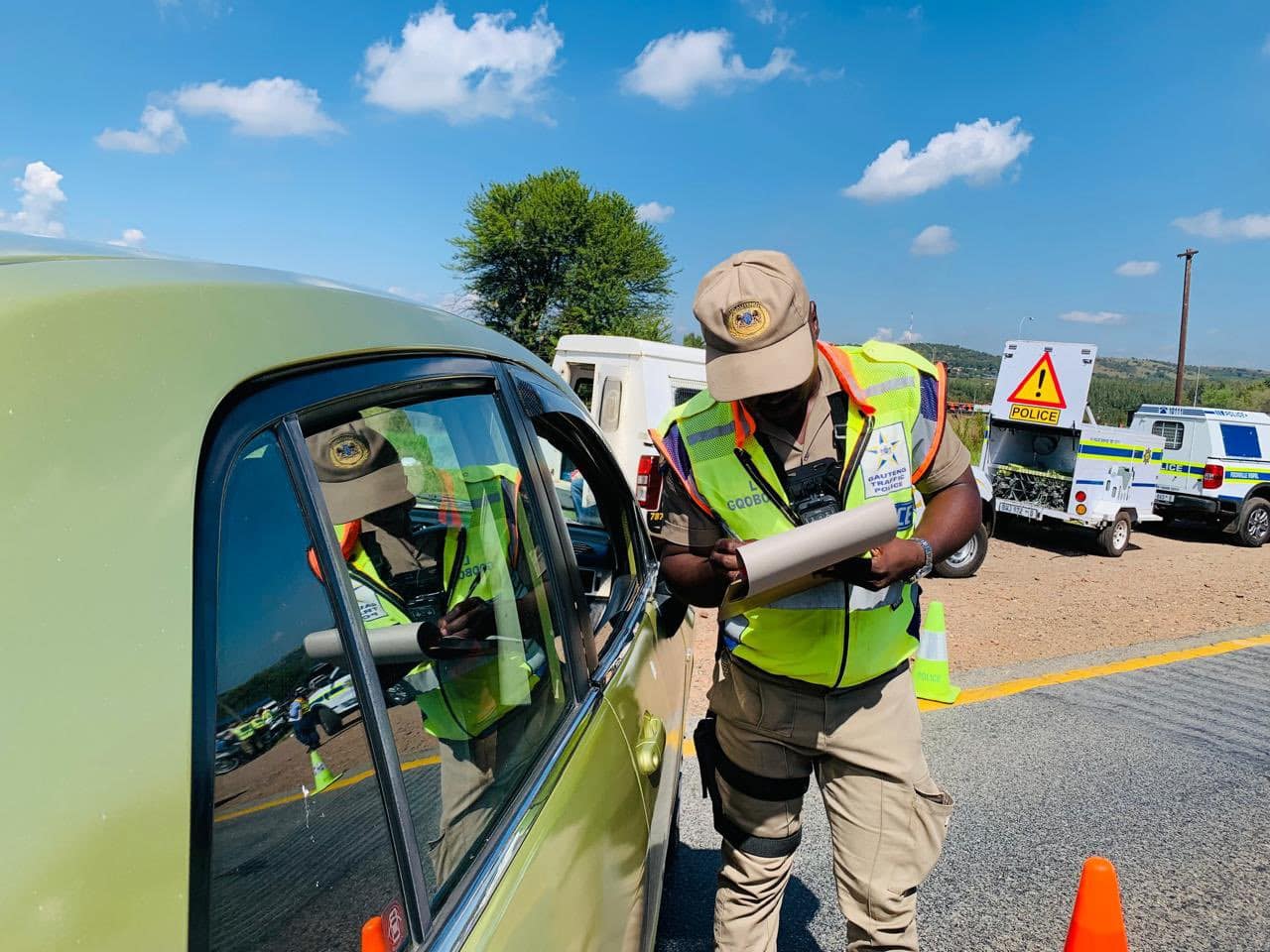
In a brazen attempt to deceive authorities, a driver was arrested on the busy N1 highway in Gauteng after a routine traffic stop escalated into a case of alleged perjury and violation of the National Road Traffic Act. The incident, which was later highlighted by the Road Traffic Management Corporation (RTMC) as a cautionary tale, underscores the severe consequences of tampering with vehicle license plates.
According to officials, members of the National Traffic Police pulled over a distinctive black BMW X3 M Competition for the conspicuous absence of both front and rear license plates. When confronted, the driver presented what appeared to be a legitimate document: a sworn affidavit from a South African Police Service (SAPS) station, declaring that the plates had been stolen and that a case had been opened.
However, experienced traffic officers, familiar with such excuses, grew suspicious. They conducted a thorough search of the vehicle. The search yielded a damning discovery: the very license plates listed in the affidavit—registered to the vehicle and issued in Gqeberha—were found deliberately concealed within the boot of the car.
“The presentation of a false affidavit to law enforcement is a serious offence in itself,” stated an RTMC spokesperson. “It transforms a traffic violation into a criminal matter of attempting to defeat the ends of justice and possibly committing perjury.”
The driver was immediately placed in handcuffs and taken into custody. The charges are expected to be severe and multi-layered, moving far beyond a simple traffic fine. The immediate charges relate to contravening the National Road Traffic Act, which mandates that number plates must be permanently affixed, visible, and legible at all times. Penalties for this can include significant fines, the impoundment of the vehicle, and even a criminal record.
Critically, the driver now faces additional, more serious charges for presenting a false sworn statement to a police officer. This act constitutes fraud and may lead to a separate charge of perjury, which carries the potential for a substantial prison sentence.
The RTMC used the incident to issue a stark public reminder. “A police affidavit for stolen plates is a legal document to be used only when plates are genuinely stolen,” the Corporation emphasized. “It is not a ‘free pass’ to drive without plates for convenience or to avoid toll fees or traffic fines. The system has checks, and officers are trained to be vigilant.”
The case has sparked broader discussion about the motives behind such a ruse. Law enforcement analysts suggest hidden plates are often used to evade e-tolls, speed cameras, and red-light cameras, or to facilitate involvement in more serious crimes where vehicle identification needs to be obscured.
The arrested driver is expected to face a swift court appearance, where the discovery of the plates in his possession will serve as central, damning evidence against his claim of theft. The incident serves as a clear warning that attempts to manipulate the legal system to cover for traffic violations can result in consequences far more severe than the original infraction.
About The Author