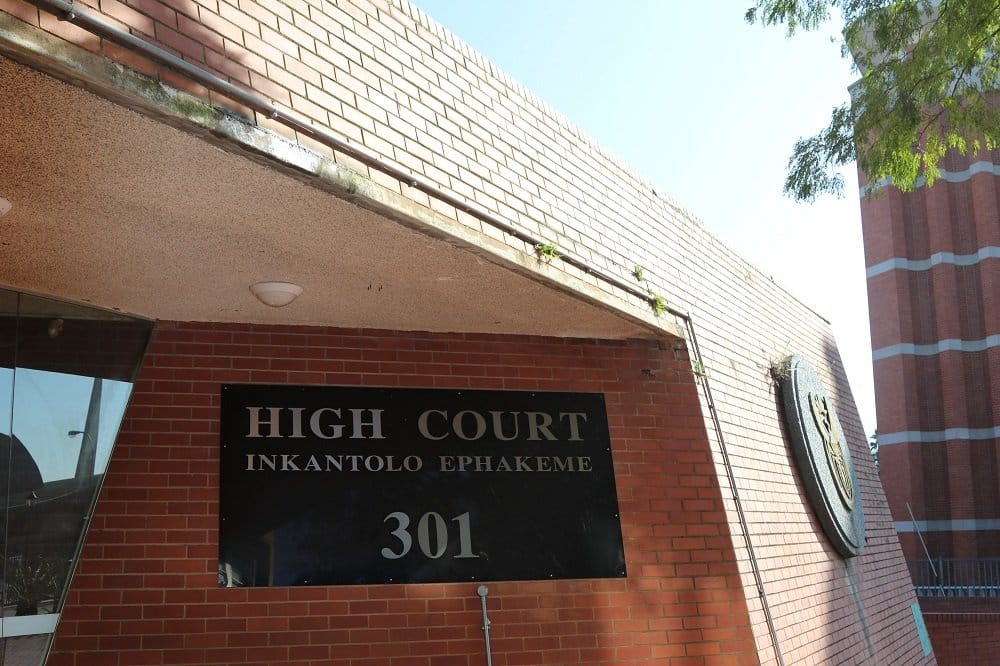
In a ruling that champions human dignity within the stark confines of the state’s penal system, the Equality Court in Johannesburg has delivered a groundbreaking judgment in favour of a transgender inmate, declaring that the Department of Correctional Services’ denial of gender-affirming care constitutes unfair discrimination and harassment.
The case, brought by Nthabiseng Mokoena, a transgender woman serving a life sentence at Johannesburg’s Sun City Prison, has set a powerful legal precedent, affirming that constitutional rights do not stop at the prison gate. Judge Denise Fisher’s comprehensive judgment dismantled the department’s arguments, ordering that Mokoena must be granted immediate access to hormone therapy, clothing and cosmetics aligned with her gender identity, and housing that reflects who she is.
A Long Denial of Identity and Healthcare
Mokoena, who has been incarcerated since 2013, had for years fought a solitary battle for recognition. Diagnosed with gender dysphoria by a state psychologist in March 2021, she had a documented medical need for gender-affirming care. Yet, the Department of Correctional Services consistently refused to provide her prescribed hormone therapy, dismissing it as “cosmetic” and not part of state-provided primary healthcare.
Faced with this denial and the profound distress of her gender dysphoria, Mokoena was forced to take desperate measures. Court documents revealed she resorted to self-medicating with oral contraceptives smuggled into the prison, a dangerous practice she used in a futile attempt to simulate the effects of oestrogen. This act highlighted the critical nature of her medical needs and the dire consequences of the state’s neglect.
“The department’s refusal to provide the applicant with her prescribed hormone therapy… constitutes a violation of her constitutional rights to human dignity, bodily and psychological integrity and access to health care services,” Judge Fisher found.
Dismissing “Security” as a Pretext for Discrimination
The department had also imposed a blanket ban on Mokoena wearing feminising clothing or cosmetics, arguing it was a necessary security measure. Judge Fisher systematically dismantled this justification, noting a complete lack of evidence.
“It is difficult to conceive of any dangers which are not taken account of on the basis that the applicant and other inmates are properly supervised whilst outside of their sections,” the judge stated. She found that the department’s actions—including the refusal to use her chosen name and pronouns—amounted to harassment under the Promotion of Equality and Prevention of Unfair Discrimination Act (PEPUDA).
A Watershed Moment for Transgender Rights
The ruling has been hailed as a watershed moment by human rights organizations. “This judgment is a resounding affirmation that transgender people do not forfeit their right to identity and healthcare when they are incarcerated,” said a spokesperson for the Triangle Project, an LGBTQI+ rights group. “It underscores the state’s positive obligation to provide adequate and respectful care, and to protect the most vulnerable in its custody.”
The implications extend far beyond Sun City Prison. The judgment sets a binding precedent, compelling correctional facilities across South Africa to review their policies regarding transgender inmates. It establishes that access to gender-affirming care is not a privilege but a fundamental component of healthcare and human dignity.
For Nthabiseng Mokoena, the victory is profoundly personal. It is the recognition of her identity after a decade of struggle. For the broader LGBTQI+ community and the cause of prison reform, it is a beacon of progress, proving that even from within a prison cell, the fight for equality can move mountains and force a nation to live up to the promise of its own Constitution.
About The Author