The Monday morning commute on Durban’s busy M7 highway is usually a predictable crawl of taxis, trucks, and cars heading into the city. But on February 23, 2026, the routine was shattered by a deafening crash, a river of diesel, and a scene of chaotic desperation as residents and motorists risked their lives to scoop up the spilled fuel.
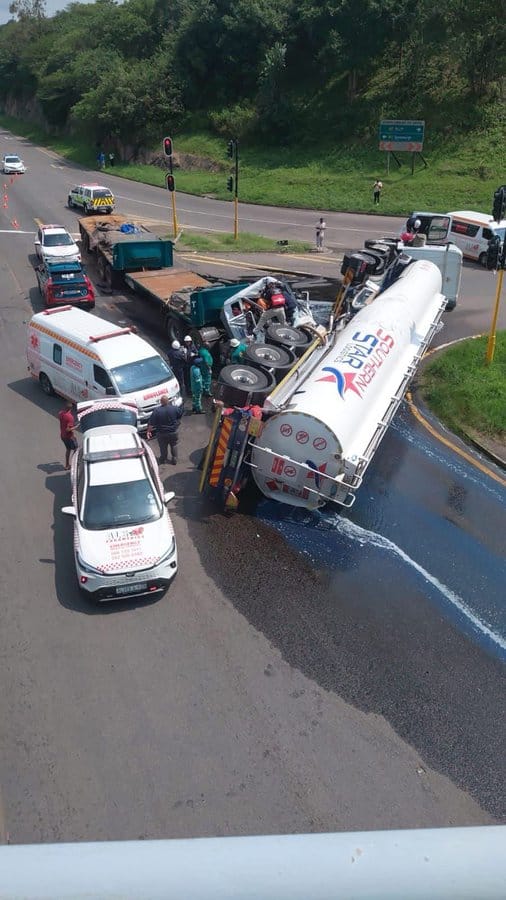
Just before dawn, a diesel tanker and a heavy-duty truck collided on the M7 near the N2 north on-ramp, one of the busiest intersections in the province. The impact was catastrophic. The tanker, carrying a full load of 30,000 liters of diesel, overturned, its metal chassis twisting as it slid across the tarmac. Fuel gushed from the ruptured tanks, flooding the highway and turning the road surface into a slick, toxic river.
Four people were injured in the crash, two of them critically. Emergency services rushed to the scene, their sirens cutting through the early morning air. The injured, trapped in the twisted wreckage of their vehicles, had to be freed by rescue workers using the jaws of life, a painstaking and urgent operation that took nearly an hour. They were rushed to nearby hospitals, their conditions described as serious but stable by late morning.
The Scramble for Diesel
As the injured were being treated, a different kind of chaos was unfolding on the margins of the crash site. The spilled diesel, glistening in the growing light, began to flow down the highway and into the drainage ditches alongside the road. For some motorists stuck in the growing traffic jam, and for residents of the nearby informal settlements, the sight of the fuel was not a hazard, but an opportunity.
Within minutes, people appeared with buckets, jerrycans, and plastic containers. They waded into the diesel, ignoring the toxic fumes and the extreme fire risk, desperately trying to scoop up as much of the valuable fuel as they could carry. The scene was one of pandemonium: men and women, some barefoot, slipping on the diesel-soaked tarmac, filling their containers while shouting at each other to move faster.
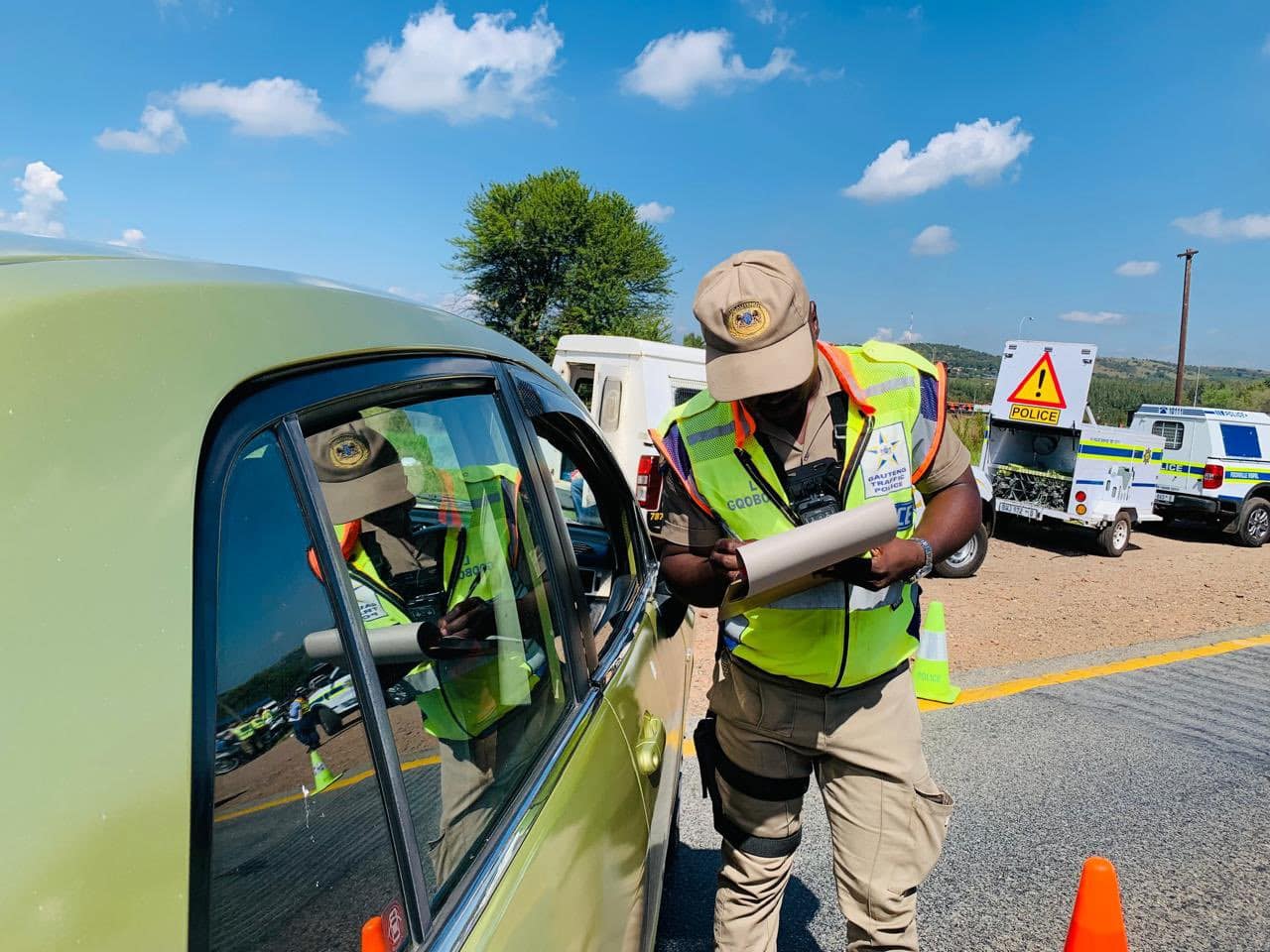
Police and emergency personnel, already stretched thin dealing with the crash and the injured, were forced to divert resources to stop the scavengers. Officers shouted warnings about the danger of fire and the toxicity of the fuel, but many ignored them, driven by the desperate need for a resource that has become increasingly unaffordable. It took the arrival of reinforcements and the threat of arrest to finally clear the area and secure the spill.
“This is incredibly dangerous,” said a fire official at the scene, shaking his head in disbelief. “Diesel is flammable. The fumes are toxic. One spark, one cigarette, and this whole area could have gone up. These people are risking their lives for a few liters of fuel. It shows you how desperate people are.”
The Emergency Response
While the scavengers were being cleared, the professional emergency response continued. Fire crews laid down foam to suppress the risk of ignition. Hazmat teams assessed the extent of the spill and began the complex process of containing and recovering the fuel. The M7, a major artery into Durban, was closed in both directions, causing massive traffic backups that stretched for kilometers.
Motorists sat stranded for hours, many abandoning their vehicles to seek alternative routes on foot. Taxi drivers, frustrated by the delays, attempted to navigate through side streets, creating further congestion in the surrounding residential areas. The morning rush hour had become a complete gridlock, and it would be hours before any semblance of normality returned.
Environmental Nightmare
Beyond the immediate dangers of fire and traffic, the spill poses a significant environmental threat. The 30,000 liters of diesel that escaped the tanker did not just disappear. Much of it soaked into the ground, contaminating the soil. Some of it flowed into storm drains, which eventually lead to local rivers and, potentially, the ocean.
Environmental health practitioners were dispatched to the scene to assess the damage and begin the lengthy process of remediation. The contaminated soil will have to be excavated and disposed of as hazardous waste. Water sources will need to be tested. The long-term impact on local ecosystems could be significant, affecting plant life, insects, and small animals.
“Diesel is a complex mixture of hydrocarbons,” explained an environmental scientist monitoring the situation. “It is toxic to most forms of life. It can contaminate groundwater for years. The cleanup is not just about mopping up what you can see. It’s about dealing with what has seeped into the earth.”
The Cause Under Investigation
As the cleanup crews worked through the afternoon, the focus shifted to the cause of the crash. What led a diesel tanker and a heavy-duty truck to collide on that particular stretch of highway at that particular time? Was it driver error? Mechanical failure? Reckless driving? Or simply the inevitable consequence of too many heavy vehicles on a road not designed for them?
Police opened an investigation, and traffic officers began interviewing witnesses and examining the wreckage. The scene was documented in minute detail, every skid mark and piece of debris photographed and logged. The findings will determine whether any charges are laid against the drivers or their employers.
The Aftermath
By late afternoon, the M7 had partially reopened, though cleanup operations continued in the immediate vicinity of the crash. Traffic remained heavy for the rest of the day as commuters tried to make up for lost time. The injured remained in hospital, their conditions watched closely by medical staff.
For the residents who tried to scoop the diesel, the day ended empty-handed, with nothing to show for their risk-taking but the lingering smell of fuel on their clothes and the knowledge that they could have been killed. For the environment, the damage was done, and the healing would take time. And for the commuters of Durban, the crash was yet another reminder of the fragility of the systems they rely on, and the chaos that can erupt when something goes wrong.
About The Author