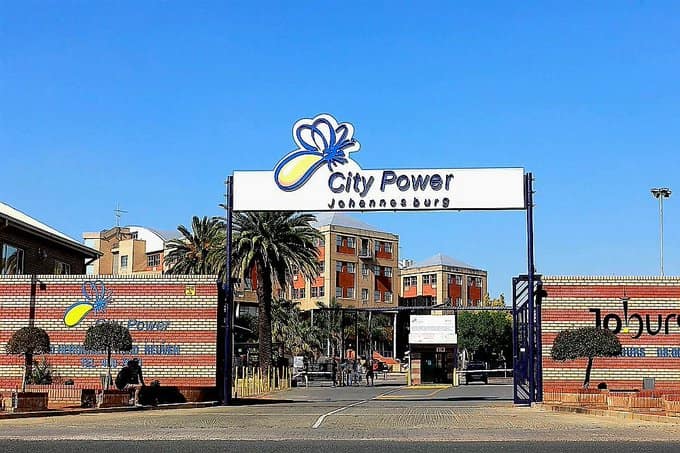
In a significant administrative concession, City Power has announced a six-month extension to its controversial mandate requiring non-vending prepaid residential customers to switch to post-paid billing systems. The new deadline, now set for 30 June 2026, replaces the original year-end cutoff of 31 December 2025, granting hundreds of thousands of households a much-needed breather to navigate the complex transition.
The policy, initially unveiled earlier this year, aims to phase out older prepaid meters that have reached their end-of-life cycle and are no longer supported by the utility’s vending infrastructure. These “non-vending” meters are unable to accept updated tariff codes or purchase electricity credits, leaving customers at risk of deactivation. City Power has framed the move as a necessary modernization drive, critical for revenue protection, accurate billing, and integrating with a smarter grid network.
However, the directive sparked immediate concern and pushback from affected communities. Many residents, particularly in low-income and fixed-income households, have grown reliant on the budgeting control and debt-avoidance that prepaid systems provide. The forced migration to post-paid accounts—where usage is billed monthly after the fact—raised fears of unexpected bill shocks, accumulated debt, and potential disconnections for those on tight financial margins.
“We have listened to the concerns raised by our customers and various stakeholder groups,” said a City Power spokesperson in a formal statement. “The extension to June 2026 is to ensure a smoother, more manageable transition for all. It allows us more time to roll out comprehensive customer education programs, streamline the application and meter installation processes, and address technical backlogs.”
The utility insists the migration is unavoidable from a technical standpoint. The legacy prepaid meters in question are largely obsolete, with spare parts increasingly scarce. Their communication systems are incompatible with new software, creating vulnerabilities in the network and hindering load management. Switching to modern post-paid smart meters, City Power argues, will provide more reliable service, detailed consumption data, and enable future time-of-use tariffs.
Community advocacy groups, while welcoming the extension, caution that the fundamental issues remain unresolved. “A deadline extension is a relief, but it’s a stay of execution, not a pardon,” noted Thandi Nkosi, head of the Fair Energy Collective. “The core anxiety is about affordability and the loss of financial autonomy. City Power must use these extra months to design a truly inclusive post-paid system with robust support mechanisms—such as capped billing alerts, flexible payment plans for low-income users, and a guarantee against arbitrary disconnection.”
The logistical scale of the project is daunting. City Power must now coordinate the replacement of meters for an entire subset of its customer base, a process that requires home visits, installations, and system updates. The extension to mid-2026 alleviates immediate pressure on the utility’s own teams, who were facing a near-impossible year-end rush.
Customers are advised to use the extra time proactively. City Power will be launching targeted communication campaigns detailing the steps to migrate, including how to update customer information, settle any outstanding balances on prepaid accounts, and schedule an installation. Residents are urged not to wait until the last minute, as high demand could lead to long waiting periods as the new deadline approaches.
The revised timeline also pushes the financial implications for the utility into a new fiscal year, potentially easing budget pressures. For residents, the reprieve offers a critical window to adjust household budgets, understand the new billing system, and seek assistance if needed.
The eyes of other municipalities with similar aging infrastructure will be on City Power’s managed transition. Its success or failure could become a blueprint—or a cautionary tale—for national energy utility modernization efforts.
About The Author