A crippling electricity blackout has plunged sections of Pretoria East into a prolonged state of disruption and despair, with thousands of residents and businesses entering their twelfth consecutive day without power following a catastrophic fire at a key substation. The crisis, which began on Boxday, 26 December 2025, has escalated into a major political and service delivery flashpoint, triggering street protests and overwhelming calls for urgent intervention from the City of Tshwane metropolitan municipality.
The source of the ongoing nightmare is the Koedoespoort Substation, a critical node in the power distribution network for the eastern suburbs. In the early hours of December 26th, a severe electrical fault sparked a blaze that ravaged control panels, switchgear, and crucial infrastructure. The intensity of the fire transformed the facility from a humming hub into a charred and silent wreck, instantly cutting off supply to vast areas.
A Patchy and Unreliable Recovery
While the City of Tshwane’s energy team has worked to restore supply through network reconfiguration and temporary fixes, the recovery has been painfully slow and uneven. Afflicted areas include East Lynne, Jan Niemand Park, parts of Elardus Park, and surrounding neighborhoods. Even in zones where electricity has nominally returned, residents report only sporadic, low-voltage supply that trips frequently and is incapable of running essential appliances.
“Having no power for a day or two over the holidays is one thing, but this has been 12 days of absolute disruption,” said Anika van der Westhuizen, a resident of East Lynne. “Our groceries have spoiled, we can’t work from home, our security systems are dead, and we are spending a small fortune on generator fuel and eating out. The worst part is the total lack of clear, daily communication from the City.”
Economic Toll and Rising Tensions
The economic impact is severe. Small businesses, from bakeries and salons to IT companies, have been forced to close or operate at a fraction of capacity. Home-based enterprises have ground to a halt. The prolonged outage has also crippled water supply in many households reliant on electric pumps, compounding the humanitarian crisis.
Frustration has boiled over into public action. On Monday morning, residents of Jan Niemand Park blocked several major roads with burning tires and debris, demanding a definitive restoration timeline and accountability. “We are treated like second-class citizens,” stated community leader Sipho Mbele during the protest. “The City gives us vague updates about ‘awaiting specialist parts’ or ‘complex repairs,’ but we see no substantial progress. Where is the disaster management plan? Where is the contingency?”
City’s Response: A Litany of Challenges
The City of Tshwane, through its MMC for Utility Services, has cited the “unprecedented scale of the damage” as the primary cause for the delay. Officials explain that the fire destroyed custom-built equipment that cannot be simply replaced off the shelf. Specialist engineers are required, and certain components have had to be sourced internationally, leading to logistical delays.
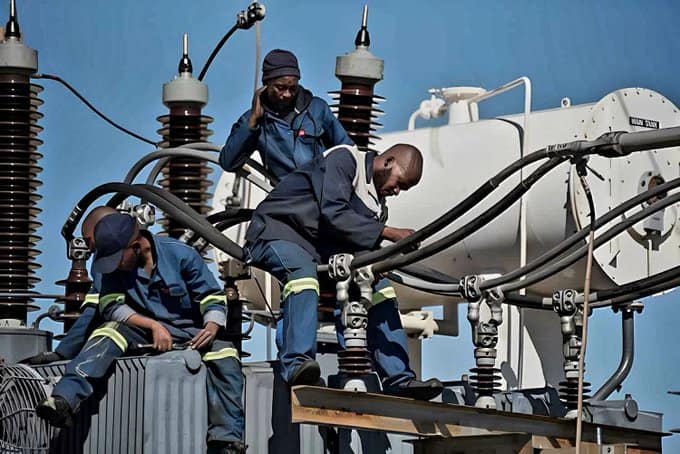
“Teams are working around the clock in shifts to rebuild the substation,” the MMC stated in a press briefing. “We have deployed mobile generators to critical facilities like clinics, and we are attempting to feed supply from other substations, but the load is simply too great. We understand the immense frustration and appeal for patience as we undertake this complex rebuild.”
However, this explanation is wearing thin for residents who question why robust contingency plans were not in place for such critical infrastructure. Opposition parties in the council have slated the ANC-led city government for “gross negligence” and a failure of preventative maintenance.
A City in the Dark, Awaiting a Resolution
As the new year begins, the situation in Pretoria East remains precarious. The social fabric is straining under the pressure of indefinite disruption. Community groups are self-organizing, sharing generator resources and information, while many elderly and vulnerable residents are being moved to relatives’ homes in other suburbs.
The Koedoespoort crisis has become a stark symbol of South Africa’s broader infrastructure decay. For the residents of Pretoria East, every passing day without light deepens the hardship and fuels the demand for not just restored power, but for lasting accountability and a resilient energy grid that won’t leave them in the dark.
About The Author