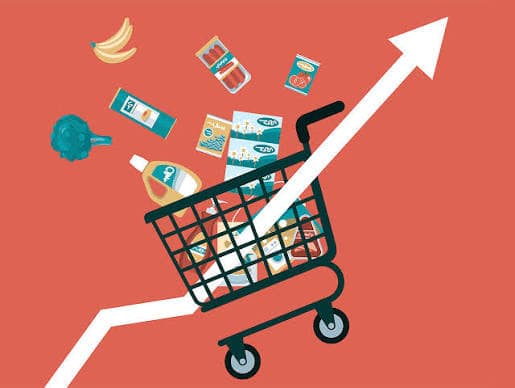
The Competition Commission’s latest Cost of Living Report has painted a stark picture of the mounting financial strain on South African households, revealing that essential expenses are rising at rates far outpacing general inflation. Between January and July 2026, petrol prices jumped by a staggering 26%, while minibus taxi fares climbed 13%, adding significant pressure to already stretched household budgets.
The surge in fuel costs has had a cascading effect across the economy, with transport and logistics costs feeding into higher prices for goods and services. For millions of commuters who rely on minibus taxis as their primary mode of transport, the fare hikes translate into a monthly budget hit ranging from R76 to R127, depending on the route. The taxi industry has attributed the increases to rising operating costs, including fuel, maintenance, and vehicle finance.
However, the report raises a troubling concern: even if fuel costs were to ease, commuters may not see a corresponding drop in taxi fares. The Competition Commission noted a historical pattern of “rocket and feather” pricing, where fares shoot up quickly with rising costs but fall slowly—or not at all—when costs decline.
Beyond transport, households are also grappling with electricity and water tariffs that have risen well above inflation, further eroding disposable income. Electricity prices have increased by approximately 85% cumulatively since 2020, while water tariffs have climbed by about 68%, according to the report.
The cumulative effect of these rising costs is regressive, disproportionately affecting lower-income households who spend a larger share of their income on essentials. As the Commission prepares to release its full findings, the call for policy interventions to protect vulnerable consumers is growing louder. For now, the message is clear: the cost of living in South Africa is rising faster than many can keep up with, and the burden is being felt hardest by those who can least afford it.
About The Author