The City of Tshwane has expressed concern over an increase in laboratory-confirmed typhoid cases, particularly in the Bronkhorstspruit and Hammanskraal areas.
In a recent statement, the city said preliminary results from drinking water samples have not yet established an epidemiological link between the cases or identified the contamination source.
“The city takes these reports seriously and will intensify its investigations, working closely with the Department of Health, the Department of Water and Sanitation (DWS), and the National Institute for Communicable Diseases (NICD) to ascertain the root cause,” the statement read.
According to the city, routine water quality tests across its network have not detected Salmonella Typhi, the bacteria that cause typhoid fever. It assured residents that all treated water supplied through the municipal system meets the South African National Standard (SANS 241) for drinking water.
As a precaution, the municipality urged residents to avoid using untreated river or borehole water for domestic purposes. “Only piped municipal water that has been properly treated and tested should be used for drinking and cooking,” the city advised.
Residents were also encouraged to observe strict hygiene practices, including washing hands with soap and water and ensuring water was stored safely.
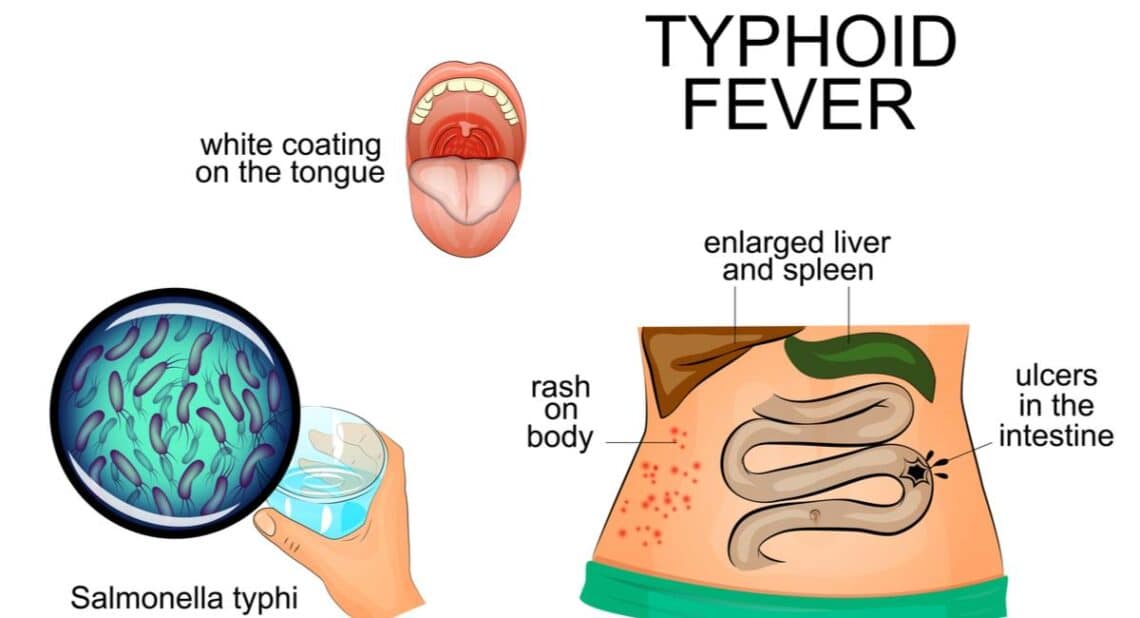
Typhoid fever is a life-threatening bacterial infection caused by Salmonella enterica serotype Typhi, spread through contaminated food or water. Symptoms include prolonged high fever, headache, fatigue, abdominal pain, constipation, or diarrhoea, which typically appear 1 to 3 weeks after exposure. While treatable with antibiotics, it requires prompt medical attention, as severe cases can lead to serious complications or death.
About The Author