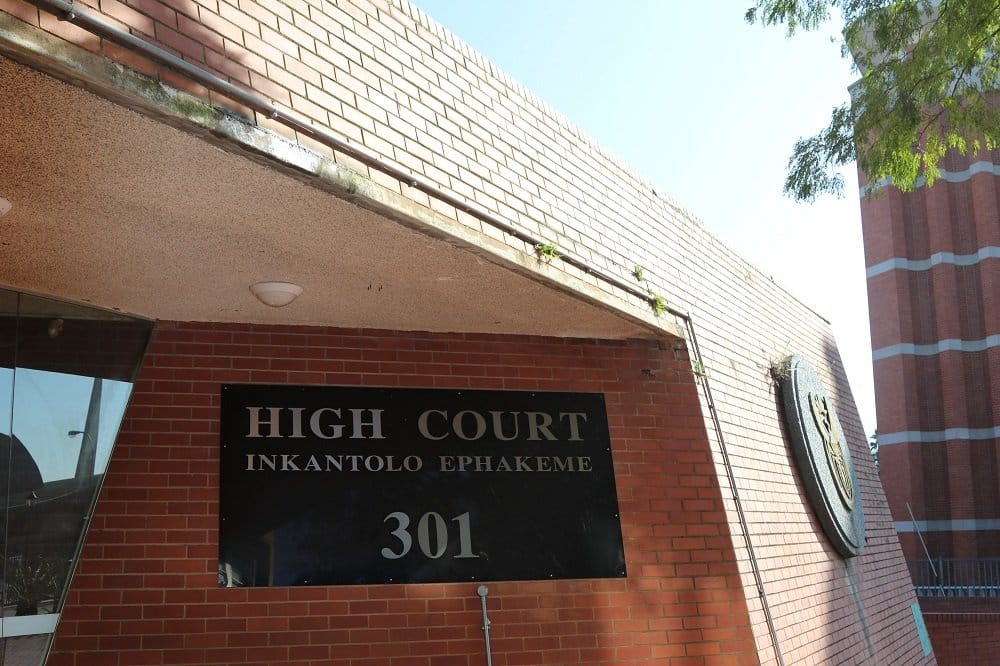
The corridors of the Johannesburg High Court were unusually crowded on Tuesday morning. Reporters jostled for position near the heavy wooden doors of Courtroom D, their notepads ready. Members of the public, many wearing buttons bearing the image of a smiling little girl, filed silently into the gallery. Outside, a small group of activists held placards aloft, their messages simple and stark: “Justice for Nada.” “No Mercy for Monsters.”
Inside, the atmosphere was suffused with a grief so heavy it felt like a physical presence. For on this day, Amber Lee Hughes, the woman convicted of one of the most heinous crimes in recent South African memory, was due to return to the dock. Having been found guilty of the rape and premeditated murder of four-year-old Nada Jane Challita, Hughes now faces the final act of her trial: the sentencing phase. And in a last-ditch effort to escape the harshest penalty, she is expected to take the stand and plead for leniency.
The case, which has horrified the nation and drawn international attention, began in the most innocent of settings. Nada Jane Challita was a four-year-old bundle of energy, known for her curly hair and her love of chasing bubbles in the park near her family’s Johannesburg home. In August 2024, she vanished. The subsequent search, led by her desperate parents and joined by volunteers from across the city, ended in the worst possible way: her body was discovered in a shallow grave in a veld on the outskirts of the city.
The investigation led police to Hughes, a woman known in the neighbourhood but with a history of mental instability and run-ins with the law. The evidence presented during the trial was graphic and damning. Forensic experts testified to DNA links. Pathologists described in excruciating detail the injuries inflicted upon the child—injuries that spoke of a prolonged, brutal assault before her life was finally ended. The State argued successfully that the murder was premeditated, a chilling conclusion that carries significant weight in sentencing.
Today, however, the focus shifts from the act to the actor. Hughes, who has sat through much of the trial with a flat, unreadable expression, is expected to be called to the witness box. Her legal team is expected to present her as a deeply troubled individual, a woman whose own history of abuse, mental illness, and substance dependency mitigates her culpability. They will argue that a sentence of life in prison, while severe, should be accompanied by recommendations for psychiatric treatment, and that the court should consider factors that diminish her moral blameworthiness.
It is a strategy as old as the justice system itself, but in a case of this magnitude, it is a high-risk gamble. For the family of Nada Jane Challita, seated in the front row of the gallery, the prospect of Hughes seeking sympathy is almost too much to bear. Nada’s mother, her face pale and drawn, clutched a small stuffed rabbit—her daughter’s favourite—as she waited for the proceedings to begin. Her husband sat beside her, his jaw tight, his eyes fixed on the door through which Hughes would soon enter.
The State, led by a seasoned prosecutor, is expected to push back fiercely against any narrative of mitigation. They will remind the court of the facts: a four-year-old child was raped and murdered. They will argue that Hughes’s actions represent the utmost violation of a vulnerable life, and that the only sentence that reflects the gravity of the crime is the harshest available under the law. In South Africa, that means a life sentence for both the rape and the murder, to run consecutively, ensuring Hughes spends the rest of her natural life behind bars.
Legal analysts following the case note that the premeditation finding is crucial. “Premeditated murder of a child is about as serious as it gets in our criminal law,” explained criminal law expert Professor Kgomotso Ramashala. “The Constitutional Court has been clear that life imprisonment is the default for such offences. Hughes’s team will have to present extraordinarily compelling mitigating circumstances to move the court away from that. Given the brutality of the crime, that will be a very tough sell.”
As the clock approached 10 a.m., the court orderly called for silence. The judge entered, robed in red, and took her seat beneath the coat of arms. The gallery rose, then sat. All eyes turned to the side door.
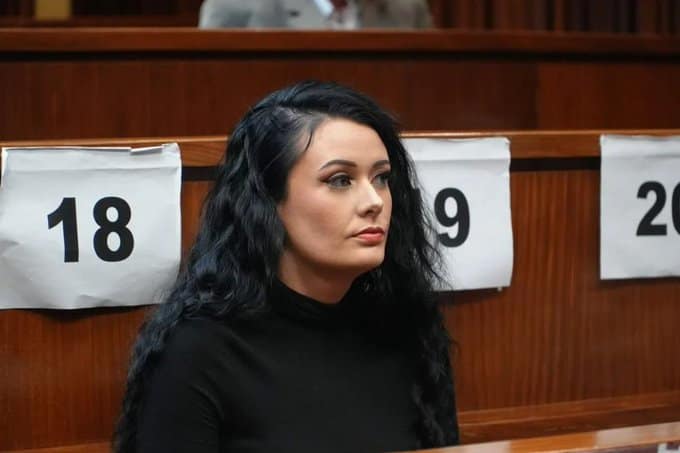
When Hughes appeared, led by a correctional services officer, she looked diminished. Her hair was greying, her skin pale from months in custody. She did not look at the gallery. She did not look at Nada’s family. She stared straight ahead at the judge, her expression unreadable.
The proceedings began with procedural formalities, but the weight of the moment was palpable. This is not merely a legal exercise. It is a reckoning. A community wants to see justice done. A family wants to see the person who destroyed their world held accountable. And a nation, horrified by the depths of human cruelty, watches to see if its courts can deliver the protection it promises its most vulnerable citizens.
Hughes is expected to testify this afternoon. She will speak, her lawyers say, of her own pain. She will ask for understanding. She will beg for a chance.
But in the gallery, a mother clutches a stuffed rabbit. And in the memory of every South African who followed this case, a four-year-old girl with curly hair chases bubbles in the sun. The court will weigh the two. And when the gavel falls, the world will know what justice for Nada Jane Challita truly means.
About The Author