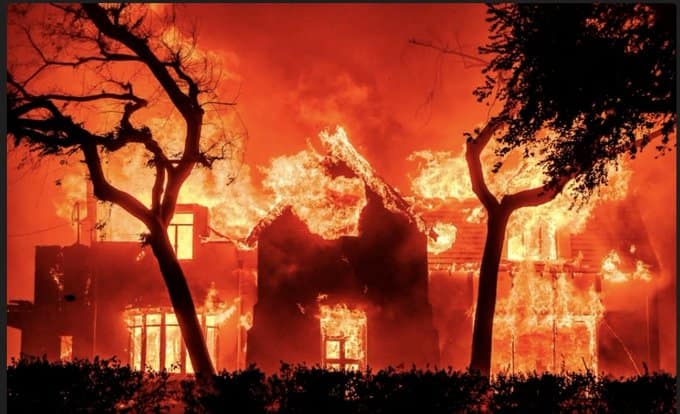
In a matter of hours, the humble homes they had spent years building were reduced to smouldering ash and twisted metal. This weekend, a devastating firestorm swept through two informal settlements on the Cape Peninsula, ripping through the densely packed communities and leaving a trail of utter destruction in its wake. When the last embers finally died down, the true scale of the tragedy became heartbreakingly clear: hundreds of shacks had been destroyed, and an estimated 700 people had been rendered homeless.
The fires, which broke out over the weekend in separate incidents, moved with terrifying speed through the labyrinth of makeshift structures. Fueled by strong winds and dry vegetation, the flames leapt from shack to shack, giving residents mere minutes to flee with nothing but the clothes on their backs.
In places like the slopes of Smitswinkel informal settlement near Masiphumelele, residents watched in horror as their life savings—furniture, appliances, identity documents, and cash—were consumed by the inferno. “I ran out with my child on my back. I couldn’t take anything else. Now we have nothing,” one distraught mother told local emergency services personnel at the scene, her voice cracking with grief.
By Sunday morning, the scale of the disaster was laid bare. The City of Cape Town’s Fire and Rescue Service confirmed that the blazes had razed hundreds of structures to the ground. The aftermath presented a grim landscape of charred debris, corrugated iron twisted by the intense heat, and dazed survivors sifting through the ruins in search of any salvageable possessions.
The human toll is staggering. With an estimated 700 people suddenly without shelter, the immediate focus has shifted from fighting the fires to a massive humanitarian response. Local community centers and churches have been opened as temporary emergency shelters, but they are rapidly filling up. Survivors huddle on mattresses, wrapped in donated blankets, their faces etched with the trauma of survival and the uncertainty of what comes next.
The most pressing needs are basic but critical: food, clean drinking water, warm clothing, and sanitary products. “The immediate priority is to ensure that no one spends another night exposed to the elements without the basics,” said a spokesperson for the City’s Disaster Risk Management Centre. “We are coordinating with NGOs and social services to provide meals, blankets, and temporary accommodation.”
The Gift of the Givers and other humanitarian organizations have already deployed teams to the affected areas, distributing hot meals and essential aid packages. However, the scale of the destruction means that the road to recovery will be long and arduous. Beyond the immediate physical needs, the psychological impact on the survivors—especially the children who witnessed their homes disappear—will require sustained support.
This latest tragedy has once again highlighted the extreme vulnerability of informal settlement residents in the Cape Peninsula, particularly during the hot, dry, and windy summer months when fire risk is at its peak. As the communities begin the slow process of rebuilding their lives from the ashes, calls are growing for improved fire prevention measures and better basic services to mitigate the risk of such catastrophic events in the future.
For now, the focus remains on the 700 souls left homeless. They are survivors, but they are also people in urgent need, waiting for a helping hand to rise from the rubble.
About The Author