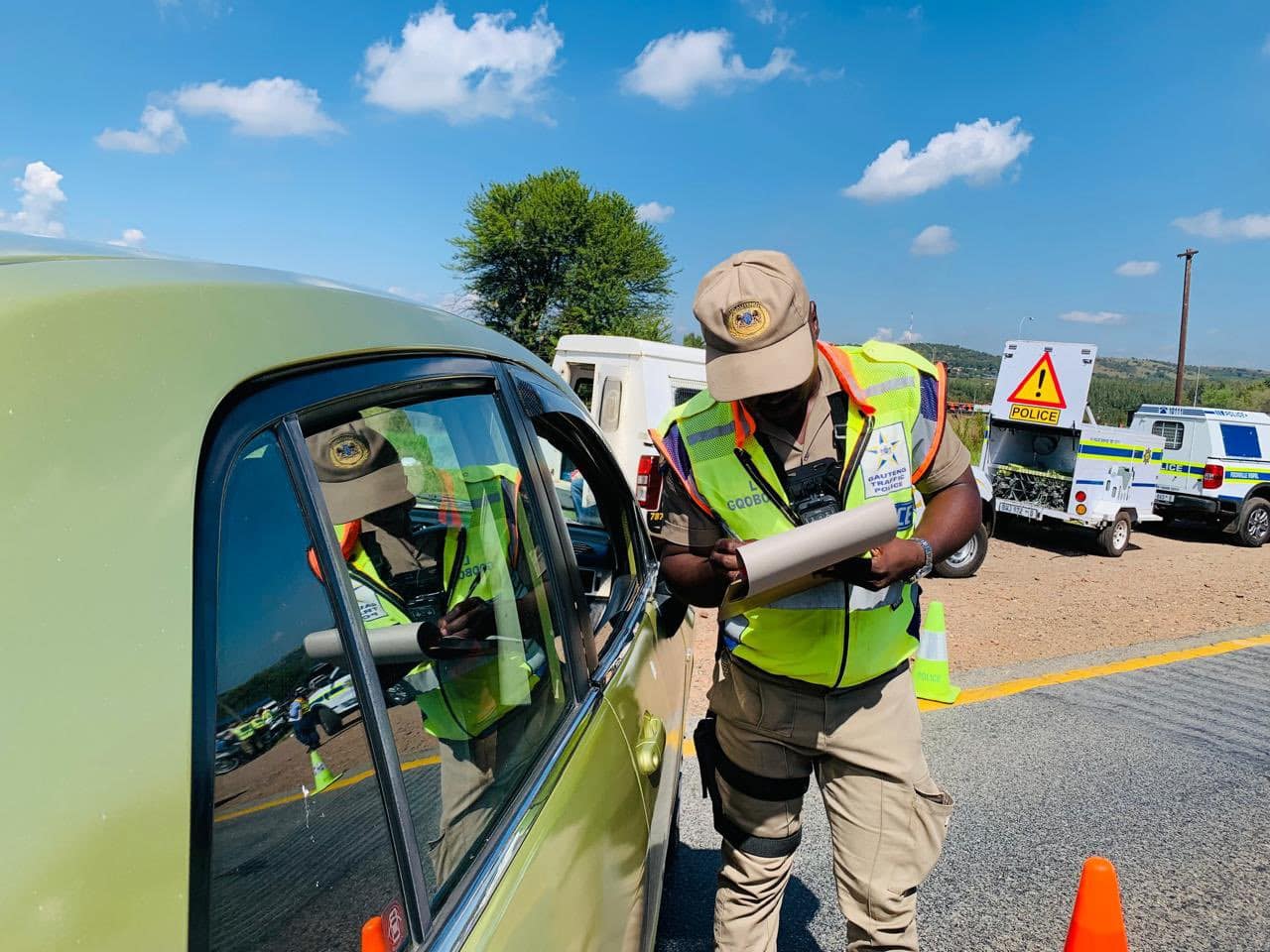
With the Easter weekend fast approaching—one of the busiest travel periods on South Africa’s calendar—the Border Management Authority (BMA) has launched a large-scale, technology-driven operation to secure the country’s ports of entry. In a major show of force and modernization, the BMA is rolling out a suite of advanced high-tech tools alongside a significant deployment of additional personnel, aiming to strike a delicate balance: facilitating the smooth flow of thousands of travellers while tightening the net against illicit cross-border activity.
The Easter season traditionally sees a mass exodus of South Africans traveling for religious observances, family gatherings, and leisure, as well as a surge of visitors from neighboring countries. This annual movement places immense strain on the country’s 71 land, air, and sea ports of entry. In response, the BMA has shifted into full operational mode, moving beyond routine procedures to implement what Commissioner Dr. Michael Masiapato has described as a “total border management approach.”
High-Tech Arsenal for a New Era of Border Control
At the heart of this intensified operation is the deployment of cutting-edge technology designed to enhance detection capabilities and streamline processing. Among the new tools being activated are:
- Advanced Mobile Scanners: High-resolution, mobile X-ray scanning units have been positioned at key land border posts, including the busiest corridors such as Beitbridge, Lebombo, and Maseru Bridge. These scanners allow officials to non-intrusively inspect heavy-duty trucks, buses, and private vehicles for hidden compartments, undeclared goods, smuggled narcotics, and illicit firearms without causing lengthy delays.
- Biometric Verification Systems: The BMA has expanded its use of automated biometric systems that capture and instantly verify fingerprints and facial recognition data against multiple databases, including law enforcement watchlists. This technology helps identify individuals attempting to use fraudulent documents, those with outstanding warrants, or persons flagged for immigration violations.
- Integrated Surveillance Platforms: In remote areas between official border posts—often weak points exploited by smuggling syndicates—the BMA is deploying a network of fixed and drone-based surveillance. These systems utilize thermal imaging and real-time video analytics to detect illegal crossings, vehicle movements, and attempts to bypass border controls.
- Electronic Travel Authorization Integration: For travellers from visa-exempt but high-risk countries, the BMA has streamlined its electronic travel authorization system, allowing for pre-screening of passengers before they board flights to South Africa, shifting the security perimeter outward.
Surge in Manpower and Inter-Agency Coordination
Recognizing that technology alone is insufficient, the BMA has bolstered its physical presence by deploying hundreds of additional border guards across high-traffic ports. These reinforcements will work around the clock in three shifts to manage the anticipated queues, conduct secondary inspections, and provide visible policing to deter criminal elements.
In a significant operational shift, the BMA is also coordinating closely with other state agencies under the umbrella of the National Joint Operational and Intelligence Structure (NATJOINTS). Teams from the South African Police Service (SAPS), South African Revenue Service (SARS) Customs, and the South African National Defence Force (SANDF) are being integrated into joint operations, sharing intelligence and conducting coordinated patrols. This multi-agency approach is designed to close the gaps that smugglers and undocumented migrants have historically exploited by moving between jurisdictions.
Focus on Facilitation and Public Cooperation
Despite the heightened security posture, the BMA has emphasized that a core objective remains the facilitation of legitimate travel. Officials are urging travellers to plan ahead to avoid delays. Key advice being disseminated includes:
- Arriving at land border posts early to avoid peak congestion, typically between 8:00 AM and 6:00 PM.
- Ensuring all travel documents (passports, visas if required) are valid and in good condition.
- Declaring all goods to customs officials to avoid penalties.
- Being aware of the strict regulations regarding the transportation of agricultural products, which can carry pests and diseases.
“Our goal is to ensure that families can reunite safely and that our economy continues to benefit from the free movement of people and goods,” a BMA spokesperson said. “But we will not compromise on security. The technology and manpower we are deploying send a clear message to those who wish to use this period of high traffic to engage in illegal activities: we are watching, and we are prepared.”
A Test of Capabilities
The Easter rush represents a critical test for the BMA, which has been working since its establishment to consolidate border management functions previously scattered across multiple departments. A smooth, secure, and efficient operation over this period would mark a significant milestone for the authority, demonstrating its growing capacity to manage South Africa’s complex border environment.
However, the scale of the challenge is immense. Last Easter, over 2.5 million border movements were recorded, with queues stretching for kilometers at major land ports. With the additional layer of enhanced security measures, the BMA is walking a tightrope between vigilance and efficiency.
As thousands of travellers begin their journeys this week, the success of the operation will ultimately be measured by two metrics: the number of illicit crossings and contraband shipments prevented, and the ability of families to reach their destinations with minimal disruption. For the BMA, the stakes are high—but so too is the determination to prove that South Africa’s borders are entering a new era of control and capability.
About The Author