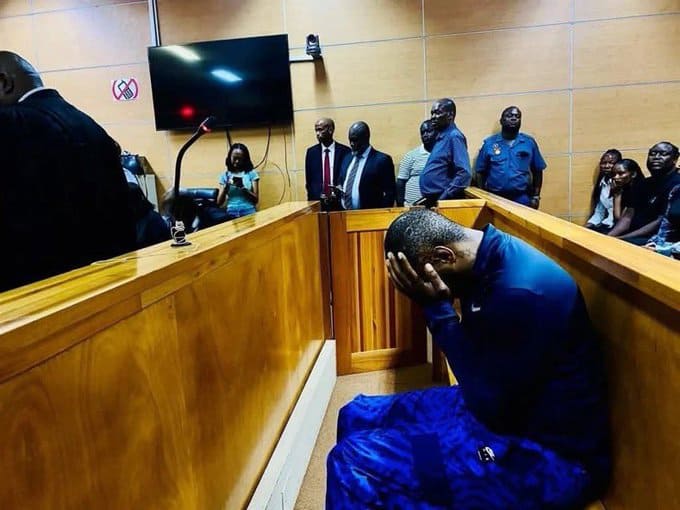
In a decisive legal move that marks the culmination of a long-running and increasingly hostile public feud, world-renowned South African DJ and producer Black Coffee (real name Nkosinathi Maphumulo) has filed an urgent application in the High Court against controversial music executive and social media commentator, Nota Baloyi.
The legal papers, confirmed to have been served this week, seek stringent interdicts against Baloyi to bring an immediate halt to what Black Coffee’s legal team describes as a “sustained, malicious, and defamatory campaign” across social media platforms.
The Core of the Legal Battle
According to the court documents, Black Coffee is requesting two primary orders from the court:
- A Mandatory Interdict: This would compel Nota Baloyi to identify and delete every post, comment, and video on all his social media accounts that references, mentions, or depicts Black Coffee. This sweeping order aims for a complete digital purge of the contentious content.
- A Public Apology: The application demands that Baloyi be ordered to publish a full, unequivocal public apology to Black Coffee. The apology must be prominently posted across all his social media platforms and must remain published for a stipulated period, likely 30 days, to ensure wide visibility.
The application is grounded in allegations of defamation and the intentional infliction of harm upon Black Coffee’s personal dignity, professional reputation, and mental well-being. While the specific content of the disputed posts is detailed in a voluminous annexure to the court papers, the feud has previously involved Baloyi levying a range of personal and professional criticisms against the artist, often in a highly confrontational and provocative style characteristic of Baloyi’s online persona.
A Feud Played Out in the Public Arena
The conflict between the two prominent industry figures has been simmering for months, playing out almost exclusively on X (formerly Twitter) and Instagram. Baloyi, known for his unfiltered and often controversial commentary, has frequently used his platform to critique Black Coffee’s business decisions, personal life, and artistic direction. Black Coffee, who has generally maintained a more reserved public stance, appears to have reached a breaking point, choosing the formal avenue of the judiciary to seek redress after what his camp suggests were ignored attempts to resolve the matter privately.
Legal Precedent and the “Right to be Forgotten”
This case is poised to become a landmark test of the limits of social media commentary and the legal protections available to public figures in South Africa’s digital age. It touches on critical issues including:
- The balance between freedom of expression and protection from reputational harm.
- The legal recourse for victims of persistent online harassment.
- The practical enforcement of digital content removal.
Legal analysts note that while interdicts against defamation are not uncommon, an order mandating the deletion of an entire archive of posts concerning an individual is a more aggressive legal remedy, echoing elements of the “right to be forgotten” debates seen in other jurisdictions.
What Happens Next?
Nota Baloyi is expected to file a notice of intention to oppose the application, setting the stage for a potentially protracted and sensational court battle. Should Black Coffee succeed in obtaining the interim order on an urgent basis, Baloyi could be forced to comply with the takedown and apology demands pending the final outcome of the case.
The dispute has captivated the South African entertainment industry and public, highlighting the intense personal and professional tensions that can underlie the glamorous facade. As the matter moves from the timeline to the courtroom, all eyes will be on the judiciary’s ruling, which could set a significant precedent for how public spats are managed—and legally constrained—in the era of viral reputational damage.
About The Author