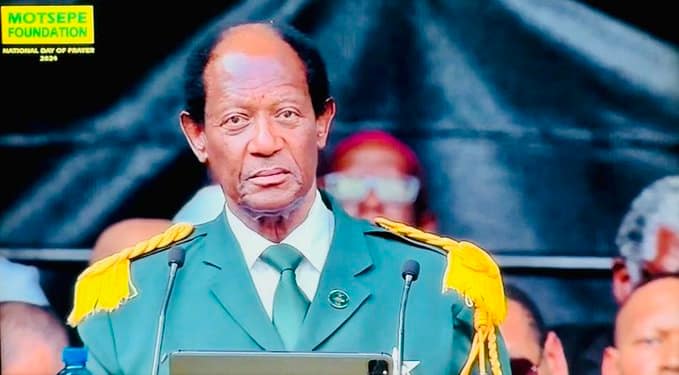
In a powerful confluence of faith and social advocacy, Bishop Barnabas Lekganyane, leader of the Zion Christian Church (ZCC), delivered a stark and stirring address to a multidenominational congregation of thousands at the fifth annual Motsepe Foundation National Day of Prayer on Sunday. Held at the FNB Stadium in Johannesburg, the event transformed from a traditional prayer service into a resonant platform for confronting South Africa’s most urgent crises, with the Bishop focusing squarely on the collapse of basic services and the moral decay fueling national distress.
A Sermon Grounded in Material Suffering
While the day featured prayers and reflections from various faith leaders, Bishop Lekganyane’s sermon stood out for its unflinching specificity. Moving beyond general calls for peace, he named the plagues afflicting ordinary communities: corrupt governance, rampant gang violence, youth unemployment, and the critical failure of water and sanitation infrastructure.
“We cannot pray with clean hearts while our brothers and sisters drink from dirty streams and our children walk in fear,” he proclaimed, his voice echoing through the stadium. “The pipes are dry, the taps are broken, and the promises made to our people have rusted away like the very metals that were meant to bring them water.” This direct linkage of spiritual well-being to material conditions anchored his message in the daily lived reality of millions.
A Call for Action, Not Just Prayer
The Bishop’s address was notable for its dual audience. He spoke to the congregants, urging resilience and community solidarity, but his most pointed words seemed directed at the corridors of power. He framed the provision of clean water and safe sanitation not as a political promise, but as a fundamental moral and ethical imperative.
“Leaders are chosen to serve, not to feast while the people thirst,” he stated, eliciting a wave of affirming murmurs from the crowd. “There must be an urgent fixing—an urgent turning of hands and hearts to the basics of life. We are praying today, but our prayers must be followed by the work of honest hands.” This call for accountable governance underscored the event’s theme of unity in action.
The Broader Context of a Nation in Crisis
The sermon’s resonance lies in its timely confrontation of systemic failures. Recent crises in municipalities like Hammanskraal, where waterborne diseases have proven fatal, and ongoing service delivery protests across the country formed the implicit backdrop to his words. By highlighting these issues in a national, interfaith setting, Bishop Lekganyane elevated them from political headlines to matters of national conscience and spiritual urgency.
The Motsepe Foundation National Day of Prayer, founded by mining magnate Patrice Motsepe, has grown into a significant event on South Africa’s calendar, aiming to foster social cohesion. This year, under Bishop Lekganyane’s guidance, it served a more prophetic function—holding a mirror to the nation’s ailments while challenging both the faithful and the powerful to become agents of tangible change.
A Unified Cry for Healing
The diverse crowd, representing a mosaic of South African faiths, responded with repeated applause and solemn amens, indicating a shared hunger for both spiritual solace and practical intervention. As the service concluded, the call lingered in the air: a collective prayer had been offered, but the greater task of heeding its message—of fixing the broken pipes and healing the social fabric—remained the urgent work awaiting beyond the stadium gates. The day will be remembered not just for the prayers spoken, but for the powerful, public indictment of failure and the clarion call for a more just and functional nation.
About The Author