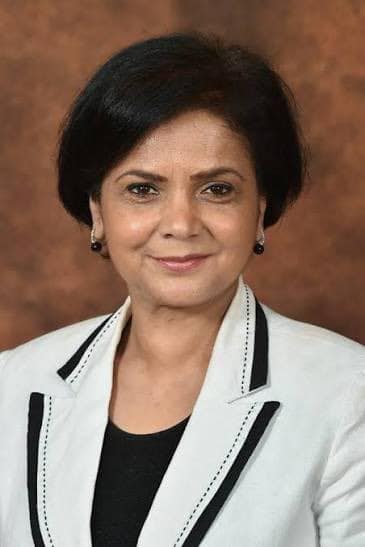
In a stark and sobering testimony that laid bare the profound challenges facing South Africa’s justice system, National Director of Public Prosecutions (NDPP) Shamila Batohi told Parliament that organized crime syndicates have deeply infiltrated the very institutions meant to combat them, rendering the state “powerless” against high-level corruption.
Batohi’s appearance before Parliament’s Ad Hoc Committee on Tuesday was intended to outline the National Prosecuting Authority’s (NPA) progress and challenges. However, her grave disclosure about systemic corruption within the state—including the presence of compromised prosecutors on the NPA’s payroll—has ignited a firestorm, refocusing attention on the circumstances of her own appointment in 2018.
“The reality we are facing is that organized crime has infiltrated key institutions, and this has made us, in many ways, powerless,” Batohi stated, her tone measured but firm. “When you have prosecutors, among other state officials, who are effectively working for these syndicates, it paralyzes our ability to investigate and prosecute effectively. We are not just fighting external criminals; we are fighting a battle within.”
A Revelation that Backfired
While Batohi’s comments were aimed at highlighting the critical need for more resources and robust internal integrity measures, they had an unintended consequence. Almost immediately, her testimony triggered a wave of renewed online scrutiny of her own ascent to the top prosecutorial role.
Social media platforms, particularly X (formerly Twitter), saw the resurgence of long-dormant but unverified claims that President Cyril Ramaphosa handpicked Batohi in 2018 outside of a transparent process. Allegations of political interference, suggesting Batohi was selected to protect certain interests within the ruling party, circulated widely.
“Batohi speaks of infiltration, but who appointed her?” read one typical post that gained significant traction. “The question we should be asking is who she is truly protecting,” read another, implying that her tenure has been marked by a cautious approach to prosecuting powerful figures implicated in state capture.
Fact-Checking the Narrative
This narrative, however, stands in direct contrast with the official record. The appointment process in 2018 was notably more transparent than those of several of her predecessors. Following the resignation of Advocate Shaun Abrahams, a panel of experts—appointed by Ramaphosa himself—was convened to publicly interview candidates and shortlist suitable nominees. Batohi, a former director of public prosecutions in KwaZulu-Natal and a senior legal advisor at the International Criminal Court, was widely regarded as a top candidate based on her extensive experience and independence.
President Ramaphosa ultimately selected Batohi from this shortlist. Legal analysts and civil society groups at the time largely praised the appointment as a positive step towards restoring the NPA’s credibility after a decade of alleged “state capture.”
The Looming Challenge of a Legacy
The current controversy underscores the immense pressure Batohi has faced since taking the role. Tasked with rebuilding an institution hollowed out by years of political interference and underfunding, her tenure has been a constant battle against these very forces of infiltration she described. Critics, however, point to the slow pace of high-profile convictions as evidence of failure, while supporters argue she is meticulously building cases against powerful, well-defended targets.
With her retirement anticipated in 2026, the clock is ticking. Batohi’s testimony before Parliament may have been meant as a call to arms for more support. Instead, it has become a double-edged sword, reminding the nation that in the fight against corruption, even the chief prosecutor’s own mandate is not immune from suspicion and political crossfire. The NPA’s struggle is not only against the syndicates it pursues but also for the public trust it desperately needs to win.
About The Author