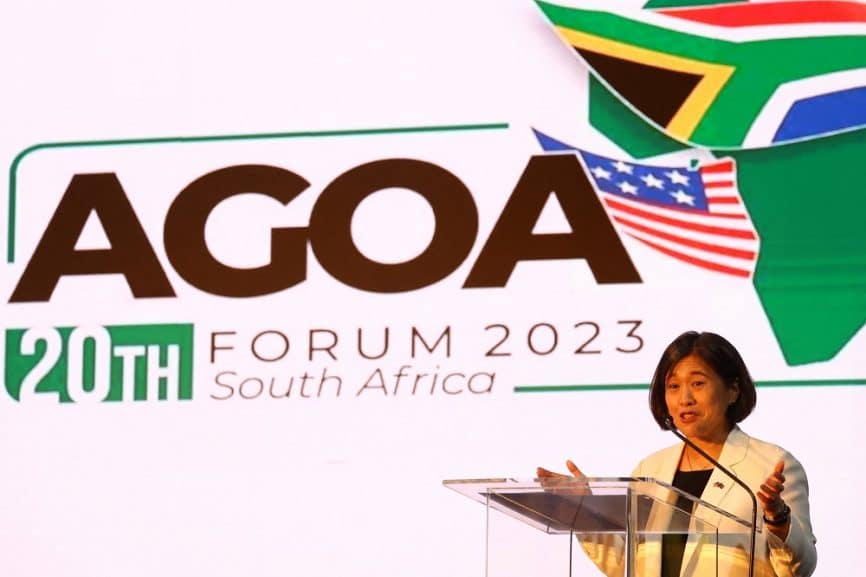
A pivotal chapter in US-Africa relations is closing. The African Growth and Opportunity Act (AGOA), the cornerstone of American trade policy with the continent for a quarter-century, is set to expire on September 30th, having not been renewed by the US government. This lapse plunges the future of billions of dollars in trade into uncertainty and marks a critical juncture for African economies that have come to rely on its provisions.
Enacted in 2000 with broad bipartisan support, AGOA was designed as a catalyst for economic development and political reform across Sub-Saharan Africa. By granting eligible countries duty-free, quota-free access to the vast US market for over 6,500 products—from textiles and agricultural goods to manufactured components—it aimed to stimulate investment, create jobs, and foster deeper integration into the global economy.
South Africa, A Major Beneficiary, Faces Significant Exposure
Nowhere are the potential repercussions more keenly felt than in South Africa, which has been one of AGOA’s most successful beneficiaries. In 2024 alone, South African exports under the program surpassed $6.5 billion. This access has been the lifeblood for critical industries, most notably the automotive sector, which assembles vehicles for the American market, as well as agriculture and mining. The sudden removal of this preferential access threatens to render these key exports less competitive overnight, potentially jeopardizing thousands of jobs and destabilizing entire supply chains.
The expiration has triggered significant alarm within South Africa’s business community. The uncertainty stifles long-term planning and investment, with companies that built their models around AGOA access now facing a daunting and unpredictable future.
Calls for Calm and Diplomatic Resolution
In the face of this economic anxiety, some leaders are urging a measured response. Bheki Thwala, President of the Township Economic Commission of South Africa (TECSA), has called for calm and strategic diplomacy. “As the township economic commission, we really call upon the President to resolve this issue more maturely and show leadership,” Thwala stated, emphasizing that “we don’t use emotions.”
His comments underscore the high-stakes diplomatic tightrope the South African government must now walk. The expiration is not merely a trade issue but a complex geopolitical one, coming after months of strained relations and the recent imposition of US tariffs on South African agricultural products.
The void left by AGOA’s lapse raises profound questions about the future architecture of US-Africa trade. Will a new, modernized framework emerge, one that better reflects Africa’s growing economic power and the African Continental Free Trade Area? Or does this signify a retrenchment of American economic engagement on the continent, creating an opening for other global powers?
For now, African exporters and American importers are left in a state of limbo, watching and waiting to see if a last-minute reprieve can be negotiated or if, after 25 years, a vital economic bridge is about to be dismantled.
About The Author