The South African national men’s football team, Bafana Bafana, returned home to a subdued OR Tambo International Airport on Wednesday morning following a dramatic and gut-wrenching elimination from the 2025 Africa Cup of Nations (AFCON) in Morocco.
Touching down aboard a chartered flight from Casablanca, the players and technical staff, led by head coach Hugo Broos, were met by a small, respectful gathering of officials, family, and a handful of loyal supporters. The atmosphere was a far cry from the triumphant homecomings of tournaments past, reflecting the acute disappointment of a campaign that promised more than it ultimately delivered.
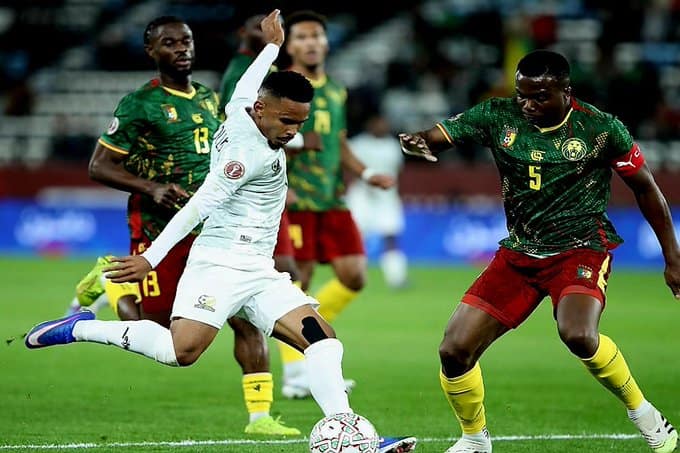
Bafana’s journey ended in the round of 16 in a fiercely contested match against Cameroon’s Indomitable Lions. After a promising group stage that saw them top a tough Group D ahead of Senegal, Mali, and Mozambique—earning a crucial win and two draws—hopes were high that the 1996 champions could make a deep run. However, in a tense, physical knockout match in Rabat, South Africa fell 2-1 despite a valiant second-half fightback. A late goal from substitute Fanele Ndiweni offered a glimmer of hope, but the final whistle confirmed their exit, extending the nation’s wait for a second continental title to three full decades.
The players disembarked looking weary, a mix of fatigue and dejection etched on their faces. Many offered quiet acknowledgments to the awaiting crowd but did not linger. Captain and goalkeeper Ronwen Williams, whose heroic penalty saves in the group stage had been a highlight, summed up the collective sentiment: “We are shattered. We truly believed we could go all the way this time. We showed our quality, but in knockout football, the small details cost you. We have to take this pain, learn from it, and come back stronger.”
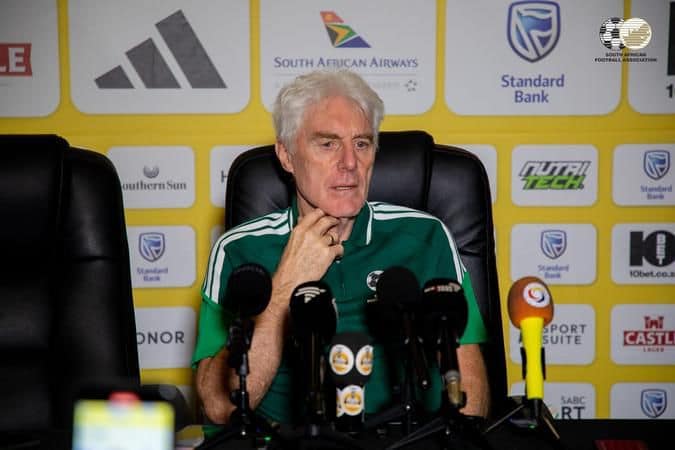
Coach Hugo Broos, the architect of South Africa’s recent resurgence, was stoic but clearly disappointed. “When you look at the tournament, there are many positives,” he stated briefly to the gathered media. “We competed with the best. But football is about results, and today we are going home. This is part of growing as a team. The experience for these young players is invaluable.”
The early exit has ignited a national debate. For some fans and pundits, the tournament represents progress—a clear advancement from recent years under Broos’s pragmatic leadership, with a cohesive team identity built on a solid defence and rapid transitions. For others, the failure to advance beyond the first knockout round, especially after a favourable group stage result, is seen as a missed opportunity and raises questions about the team’s attacking potency in high-pressure matches.
The team will now disperse back to their clubs, with attention turning to the resumption of the 2026 FIFA World Cup qualifiers later this year. The AFCON 2025 experience, with its highs and its abrupt, painful end, will serve as a critical reference point. As the players collected their luggage and headed for the exits, the unspoken question hung in the air: was this the painful but necessary step in a longer journey back to African supremacy, or another chapter in a long story of unfulfilled potential? Only the coming years will tell.
About The Author