In a critical step toward restoring stability and credibility to the National Prosecuting Authority (NPA), the Ministerial Advisory Panel on the appointment of the National Director of Public Prosecutions (NDPP) has announced it will conduct interviews with six shortlisted candidates on 10 and 11 December 2025. The interviews will be held at the offices of the Auditor-General South Africa in Pretoria, signalling a deliberate move toward a process underscored by integrity and transparency.
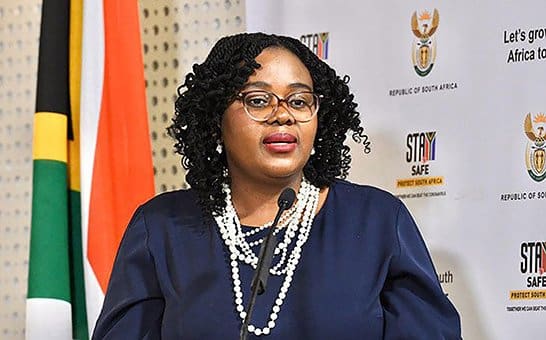
The panel, chaired by Justice Minister Mmamoloko Kubayi, is undertaking one of the most consequential appointments in South Africa’s criminal justice landscape. The next NDPP will inherit an institution grappling with years of political interference, high-profile case backlogs, and a crisis of public confidence, yet also one that is central to the fight against corruption and serious organised crime.
The Shortlist and the Stakes
The panel has not publicly released the names of the six individuals who have met the stringent basic requirements—a move that has drawn both praise for protecting candidates’ privacy and calls for greater openness. However, it is understood the list includes a mix of seasoned prosecutors currently within the NPA, distinguished advocates from the private bar, and possibly leading legal academics. The criteria reportedly emphasise not only a proven track record in prosecution and management but also unwavering integrity and the fortitude to operate independently under immense political pressure.
“The interview stage is where we move from paper qualifications to assessing the character, vision, and judicial temperament of potential candidates,” a source close to the panel stated. “This is about finding a leader who can command the respect of both the staff of the NPA and the South African public.”
A Push for Transparency in a Shadowed History
The announcement of fixed interview dates follows sustained pressure from civil society organisations, legal bodies, and the media for a transparent and merit-based selection process. The history of NDPP appointments is fraught with controversy, including allegations of political cadre deployment and the abrupt removal of incumbents seen as obstacles to powerful interests.
In a notable shift, Minister Kubayi has indicated that while the interviews themselves will be closed to ensure candid discussions, the panel will subsequently publish a detailed report with its recommendations to President Cyril Ramaphosa. This approach aims to balance the need for a confidential assessment with the public’s right to scrutinise the rationale behind the final shortlist sent to the Presidency.
“The public deserves to know that the person who will lead our key prosecutorial agency has been chosen through a rigorous, fair, and objective process,” said Advocate Thuli Madonsela, former Public Protector and a persistent voice for justice sector reform. “Transparency at this stage is non-negotiable for rebuilding trust.”
The Road Ahead
Following the two-day interview marathon, the advisory panel will deliberate and compile its report. President Ramaphosa is constitutionally mandated to appoint the new NDPP from the recommendations provided, though he is not strictly bound to choose the panel’s top candidate. The President’s final decision will be scrutinised as a clear signal of his administration’s commitment to an independent NPA.
Whoever ultimately takes up the mantle will face immediate and daunting challenges: revitalising the Priority Crimes Litigation Unit, making decisive progress on state capture cases, securing convictions in complex financial crimes, and stemming the loss of experienced prosecutors to the private sector.
As the interview dates approach, the legal community and the nation await the outcome of a process that could define the effectiveness of South Africa’s anti-corruption efforts for the next decade. The December interviews in Pretoria are not merely a job interview panel; they are a pivotal moment in South Africa’s ongoing struggle to cement the rule of law.
About The Author