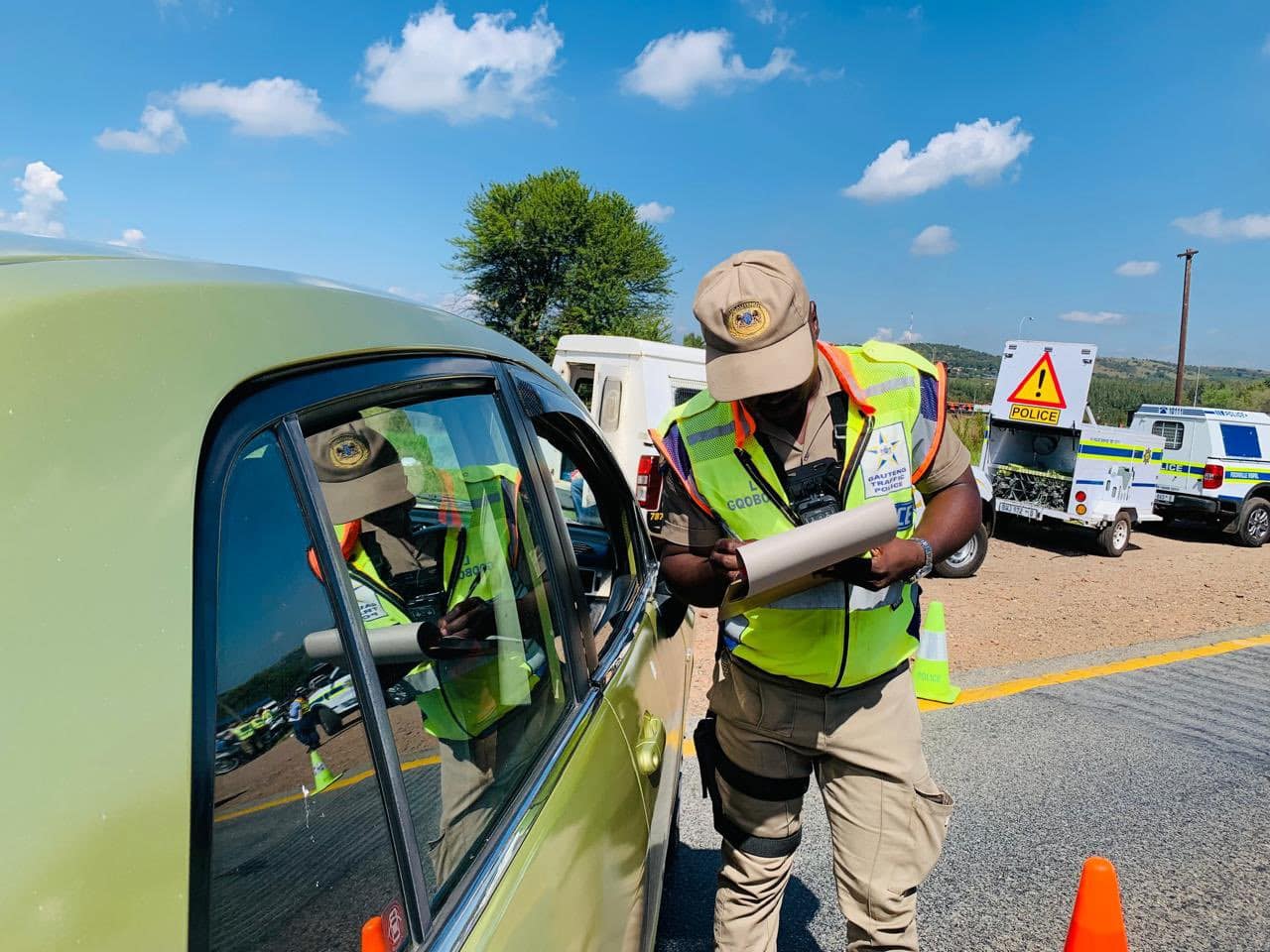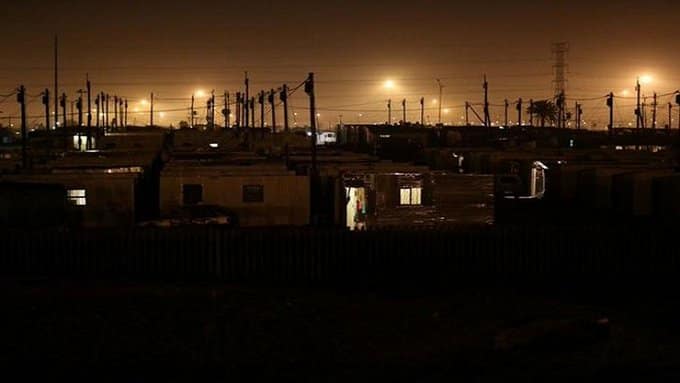
The morning bell rang at 7:30 AM, just as it does every weekday. But at five schools in and around this sprawling, historically colored community on the southern edge of Johannesburg, the sound was met not by the usual hum of lights, computers, and kitchen stoves, but by an eerie silence. Electricity had been cut. Classrooms were dark. Toilets would not flush. And thousands of learners—many already grappling with the daily challenges of poverty, overcrowded homes, and long distances to travel—found themselves sitting in darkness, waiting for answers that were slow to come.
ActionSA, the official opposition party in the City of Johannesburg, has raised the alarm following the alleged disconnection of electricity at five schools in Eldorado Park and its surrounding areas. The affected schools—names of which have been confirmed by the party as including Eldorado Park Secondary School, Soweto Extension Primary, and three others—are at the center of a crisis that has left educators scrambling and parents furious, in one of Johannesburg South’s most hard-pressed communities.
The power cuts, reportedly initiated by Eskom or City Power over unpaid municipal accounts, have plunged the schools into darkness at a critical time of the academic year. With winter approaching and temperatures already dropping in the Highveld, learners have been sitting in unlit, unheated classrooms. Teachers have been forced to abandon digital lesson plans—many of which rely on projectors, computers, and online resources—and revert to chalk-and-talk methods that education experts say put learners in under-resourced schools even further behind their peers in better-served areas.
“We arrived on Monday morning and the gates were open, but everything was dead,” said a teacher at one of the affected secondary schools, speaking on condition of anonymity for fear of reprisal. “The fridges in the nutrition programme were off, so we had to rush to find somewhere to store the food meant for children who depend on that meal to get through the day. We tried to teach in the dark, but by second period, some of the younger learners were crying. They were scared. They didn’t understand why the lights wouldn’t come on.”
ActionSA’s Johannesburg Caucus Leader, Cllr. Nobuhle Mthembu, visited the affected schools on Tuesday morning, accompanied by local party leaders and community representatives. Walking through the darkened corridors and standing in classrooms where learners squinted at their textbooks in dim natural light filtering through dusty windows, Mthembu did not mince words.
“What we are witnessing here is not just a service delivery failure—it is an act of educational neglect,” Mthembu said. “These children did not choose to be born in Eldorado Park. They did not choose to attend under-resourced schools. But they have a constitutional right to a basic education, and that right is being violated when they are forced to learn in the dark, without sanitation, without dignity. The City of Johannesburg and Eskom must answer for this immediately.”
According to ActionSA, the disconnections stem from a dispute over municipal accounts that the schools themselves may not have been aware of or equipped to resolve. Many public schools rely on the Gauteng Department of Education (GDE) to manage their utility accounts, but communication breakdowns between the provincial department, the City, and Eskom have led to a situation where arrears accumulate unnoticed until the power is cut off.
In some cases, schools have been saddled with bills they never authorized—ranging from incorrect meter readings to charges for properties adjacent to the school premises. In other cases, historical debts dating back years have been resurrected and applied without warning, leaving principals scrambling to find funds from budgets already stretched thin by other demands.
“We are not talking about schools that are deliberately avoiding payment,” said Thabo Mokoena, an ActionSA ward councillor who has been engaging with affected principals. “These are schools that often do not even receive their utility accounts on time. They do not have finance departments. They rely on one admin clerk and a principal who is already overworked. When the power is cut, they are left in the dark—literally and figuratively—with no one to turn to.”
The impact of the power cuts extends far beyond the loss of lighting. Without electricity, schools cannot operate their kitchens, meaning the National School Nutrition Programme—which provides meals to hundreds of thousands of learners daily—grinds to a halt. In Eldorado Park, where many families survive on informal work and social grants, the school meal is often the only reliable meal a child receives. When the kitchen goes dark, children go hungry.
Sanitation is another critical concern. Many schools rely on electric pumps to move water to taps and flush toilets. Without power, toilets become unusable within hours, creating a health hazard and forcing learners to either hold their needs or use unsanitary alternatives. For young girls in particular, the lack of functioning toilets can mean staying home during menstruation, missing days or even weeks of school.
“My daughter came home yesterday and said she had to drink water from a bottle because the taps were dry,” said Maria Jansen, a mother of two learners at one of the affected primary schools. “She said the toilets were closed because they couldn’t flush. The children were told to use the bushes. This is 2026. We are not in the village. We are in Johannesburg. How is this allowed to happen?”
ActionSA has called on the Gauteng Department of Education to intervene urgently, demanding that the department immediately pay any outstanding municipal accounts to have the power restored, and that it conduct a full audit of all public schools in the province to identify similar risks before more schools are disconnected. The party has also called for a formal investigation into the communication breakdowns between the GDE, the City of Johannesburg, and Eskom that led to the situation.
“We cannot have a situation where the right to education is held hostage by bureaucratic dysfunction,” Mthembu said. “These children are already behind. Every day without electricity sets them back further. The GDE must step in today—not tomorrow, not next week—today.”
The Gauteng Department of Education has not yet issued a formal statement on the Eldorado Park disconnections, but sources within the department have indicated that officials are aware of the situation and are working to resolve it. In recent years, similar incidents in other parts of the province have led to temporary arrangements where the department has paid arrears on behalf of schools while disputes over accounts were resolved.
However, critics argue that such reactive measures are not enough. They point to a systemic problem: public schools are caught between a provincial department that manages their budgets but does not always pay utility accounts on time, and municipalities that treat schools like any other commercial customer, disconnecting without regard for the educational consequences.
“We need a new protocol,” said education policy analyst Dr. Sipho Dlamini. “Schools are not businesses. They cannot be disconnected without a safety net. There must be an automatic referral process where the moment a school’s power is flagged for disconnection, the provincial department is notified and given 48 hours to settle the account or provide proof of dispute. The current system is broken, and children are paying the price.”
Back in Eldorado Park, the five affected schools remain in darkness as the standoff continues. Teachers have been making do with portable gas lamps, borrowed generators, and lessons rearranged to take advantage of the limited hours of daylight. But as the week wears on, frustration is mounting. Parents have begun gathering outside the schools, demanding action. Community leaders are planning a march to the local municipal offices.
For the thousands of learners who filed into darkened classrooms this week, the message is unmistakable: once again, their community has been forgotten. Once again, the systems meant to support them have failed. And once again, it is the children—the most vulnerable, the least powerful—who bear the heaviest burden.
ActionSA has vowed to keep the pressure on. “We will not let this go,” Mthembu said, standing in the courtyard of a primary school where the only sound was the wind and the distant rumble of traffic. “These children deserve better. Eldorado Park deserves better. And we will fight until the lights come back on—and stay on.”
As the sun sets over the dusty streets of Eldorado Park, the five schools stand dark and silent. The learners have gone home, many to homes that also struggle with electricity, water, and the daily grind of survival. Tomorrow, they will return. And unless something changes, they will find their classrooms just as dark, just as cold, just as unforgiving as today.
About The Author