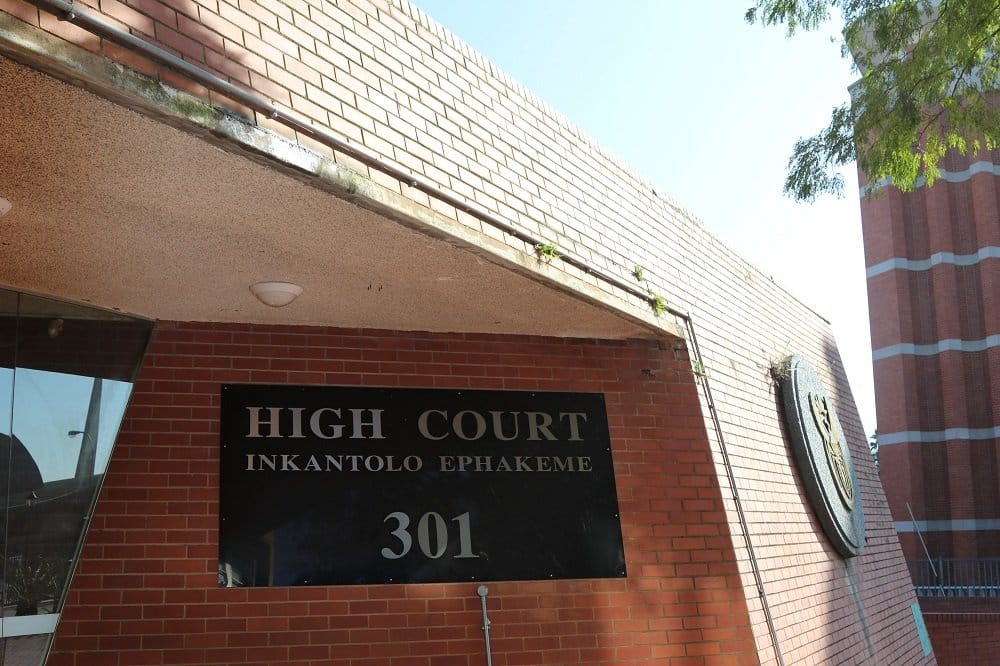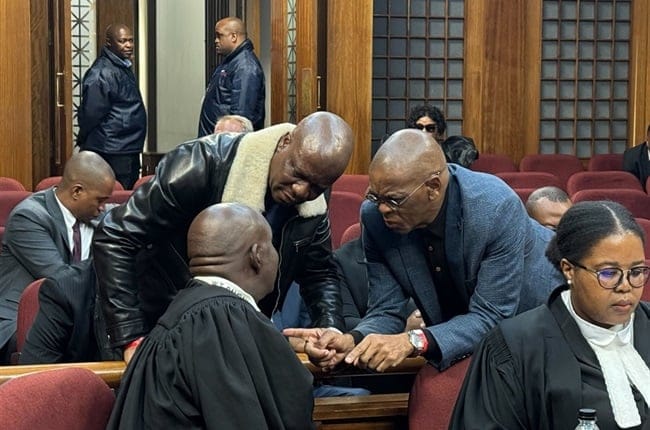
The wheels of justice ground forward once more, albeit with the familiar, ponderous weight of procedural complexity, as former African National Congress (ANC) Secretary-General and Free State Premier Ace Magashule returned to the Free State High Court in Bloemfontein on Monday, 26 January 2026. The air in the courtroom was thick not with the ghostly fibres of asbestos, but with the anticipation of another legal entanglement, as the marathon R255 million asbestos corruption case faces a new, potentially significant delay.
Magashule, the central figure in the scandal, and his fifteen co-accused—including former government officials and businesspeople—listened as proceedings resumed in a matter that has become a symbol of the “state capture” era. The charges are grave: fraud, corruption, money laundering, and contravention of the Public Finance Management Act. They stem from the alleged fraudulent awarding of a 2014 contract to audit and eradicate asbestos roofing in the impoverished province—a contract for which, the state alleges, little to no actual work was ever done, while millions flowed to connected individuals and companies.
However, the day’s focus shifted from the dusty audit reports of a decade past to a contemporary legal drama playing out on the periphery of the main trial. The spectre of further delay materialised around a key state witness-turned-accused: Magashule’s former personal assistant, Moroadi Cholota. Cholota, once poised to testify against her former boss, now finds herself charged alongside him after her statements implicated her in the alleged scheme.
The fresh complication arises from a recent Constitutional Court ruling concerning her extradition. Cholota, currently in the United States, is fighting her return to South Africa to stand trial. Her legal team signalled their intention to launch a new “trial-within-a-trial”—a legal mechanism to contest the admissibility of evidence—specifically targeting the constitutional validity of the extradition process and any evidence gathered in relation to it.
“This is a classic stalling tactic, but one with sharp teeth,” explained a court journalist during the adjournment. “A trial-within-a-trial can take weeks or months. It freezes the main case while arguments are heard about the legitimacy of a key piece of the puzzle. The defense is essentially building a legal maze, and the state has to navigate every corridor.”
Presiding Judge President Cagney Musi, who has managed the sprawling case with noted impatience for delays, now confronts this new procedural layer. The state, represented by the National Prosecuting Authority’s Investigating Directorate (ID), argues that Cholota’s extradition fight is a separate issue and should not derail the progress against Magashule and the other accused already before the court. They are eager to proceed with witness testimonies and forensic evidence detailing the flow of funds.
For Magashule, whose political fortunes have waned since his suspension from the ANC, each delay is a reprieve. The longer the trial continues, the longer a final judgment—and the potential for a lengthy prison sentence—remains in the uncertain future. For the public, particularly the residents of the Free State who were meant to be the beneficiaries of the asbestos eradication project, the delays breed a deep cynicism. The case is a painful reminder of alleged betrayal, where funds for public health—asbestos is a known carcinogen—were allegedly converted into private luxury.
As the legal teams huddled and the new court dates were debated, the scene underscored a recurring theme in South Africa’s high-stakes corruption cases: the battle is fought not only on the facts of the fraud but in the intricate, gruelling terrain of legal procedure. The asbestos case, much like the hazardous material it involves, proves difficult to contain and eradicate, its resolution persistently deferred by the very systems designed to achieve justice.
About The Author