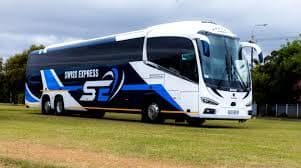
A dashcam video, lasting mere seconds but spreading like wildfire across social media platform X, has thrust the perilous state of South Africa’s intercity transport into the harsh public spotlight. The clip, captured and shared on Monday, October 28, 2025, shows a Swiss Express bus, a prominent name on cross-border routes, aggressively overtaking a passenger car on the busy N1 highway near Pretoria. The vehicle’s speedometer, visible in the frame, registers a reading soaring past 120 km/h, a dangerous velocity for a large passenger vehicle on a congested national route.
The viral footage has done more than just document a single traffic violation; it has become a potent symbol of a deeper, systemic crisis. It tapped directly into a national nerve, still raw from the recent tragedy in Limpopo, where 42 migrant workers lost their lives in a horrific bus crash. That incident had already sparked intense debate around the safety protocols of long-distance bus operators and the massive financial burden placed on the South African Road Accident Fund (RAF), which pays out billions in claims annually.
Public reaction was swift and furious. The video served as a catalyst, merging public anger over reckless driving with growing frustration over the RAF’s financial model. Social media comments quickly pivoted from the speed of the bus to the nationality of its likely passengers, with many users questioning the fund’s payouts to foreign nationals involved in accidents on South African soil. “We are subsidizing deadly negligence,” read one typical post, capturing the sentiment of a significant portion of the online discourse.
The operator at the center of the storm, Swiss Express, is a South African-based company that operates a fleet of buses on popular routes to neighboring countries, particularly Zimbabwe. The company, which has built its reputation on providing affordable cross-border travel, now faces intense scrutiny over its drivers’ training, vehicle maintenance, and adherence to speed regulations. While a single video does not represent the entirety of their operations, it has positioned them as the current face of a broader industry problem.
Transportation safety advocates and industry analysts were quick to weigh in. “This isn’t an isolated incident; it’s a symptom of a failing system,” stated a representative for the Justice for Road Victims advocacy group. “We see a toxic combination of pressure on drivers to meet tight schedules, inadequate enforcement on our highways, and a lack of severe consequences for companies that flout the law.”
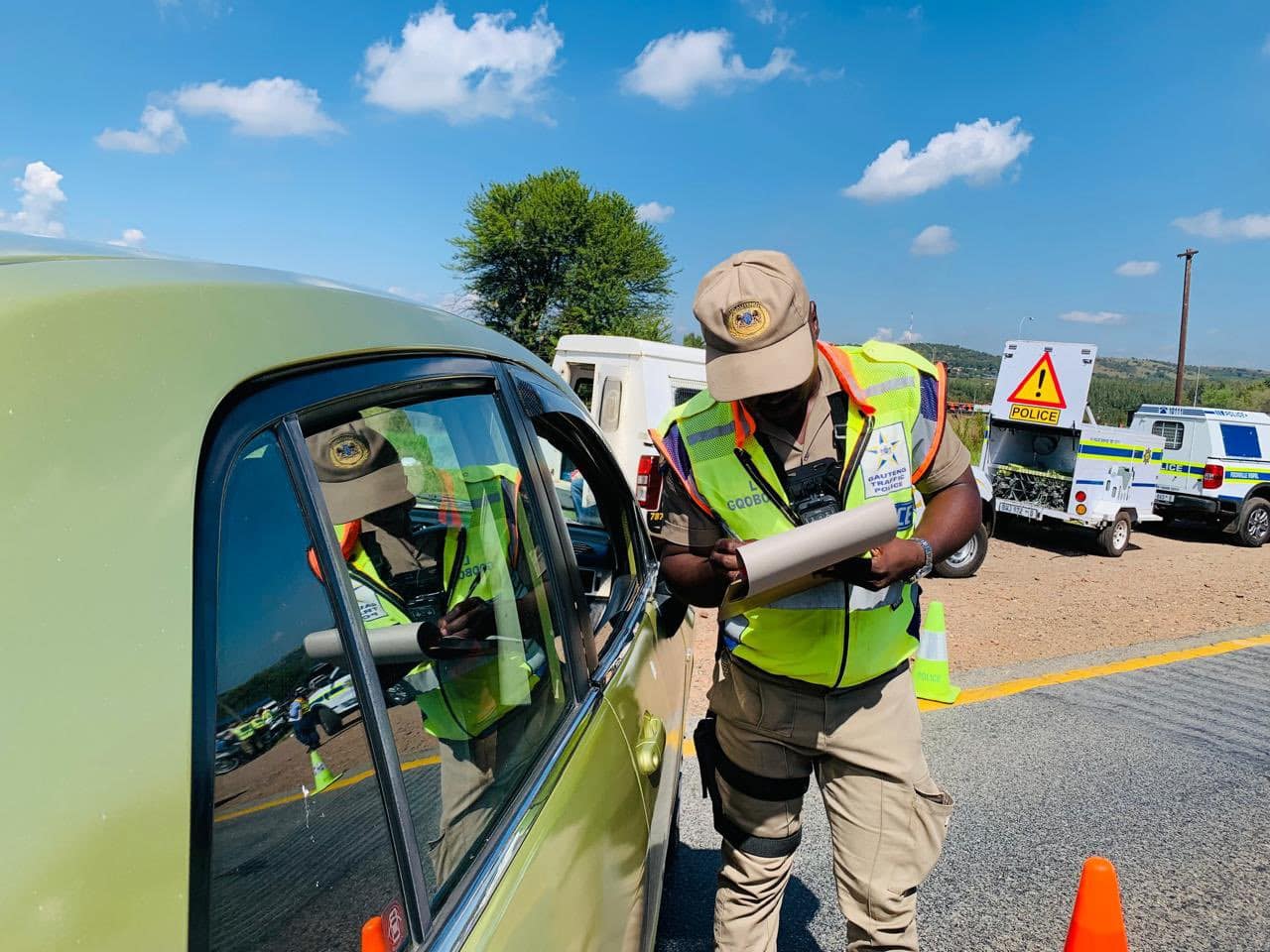
The viral clip has led to loud and unified calls for action. Citizens and lobby groups are demanding that authorities, including the Road Traffic Management Corporation (RTMC) and traffic police, move beyond sporadic blitzes and implement sustained, technology-driven enforcement on major corridors like the N1. Furthermore, the controversy has intensified the debate around tightening compliance checks not just for speed, but also for driver fitness, passenger documentation, and vehicle roadworthiness, especially for operators servicing cross-border routes.
As the court of public opinion delivers its verdict, the pressure now mounts on regulatory bodies to respond. The video of the speeding Swiss Express bus has become more than just a clip; it is a stark, moving indictment of the dangers on South Africa’s roads and a powerful demand for accountability.
About The Author