For nearly twelve hours, the Airbus A340 sat in a sterile, isolated corner of OR Tambo International Airport, a silent metal capsule of exhaustion and fading hope. Onboard were 153 souls who had fled the devastation of Gaza, only to find themselves in a new kind of purgatory on the tarmac of Africa’s busiest hub. The date was November 13, 2025, and their journey to sanctuary had hit a formidable wall: the uncompromising protocols of a nation’s border.
The crisis began upon the flight’s arrival from Cairo. The passengers, a mix of families, academics, medical patients, and orphans, presented passports that bore the scars of a collapsed bureaucracy. Many were missing crucial exit stamps from the Rafah crossing, a common reality in a war zone where official processes have broken down. Others, when questioned by officials from the Border Management Authority (BMA), gave what were deemed “unclear or inconsistent” accounts of their intended length of stay in South Africa.
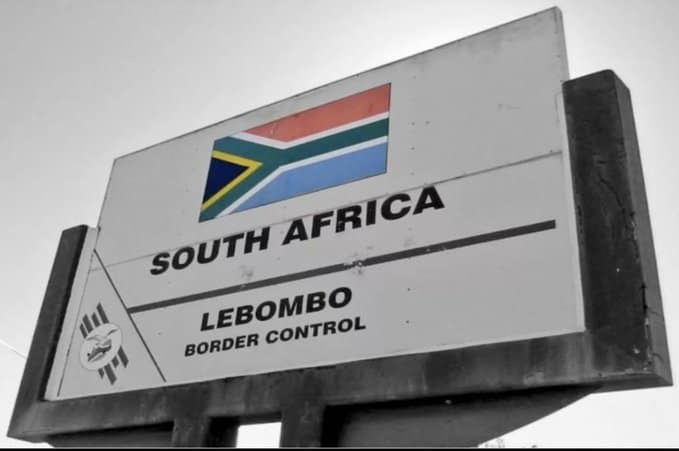
To the BMA, tasked with securing the nation’s ports of entry ahead of a high-stakes G20 summit, these were glaring red flags. The authority, in a statement released later, stood by its initial decision, citing its mandate to “protect the integrity of our borders and prevent illegal migration.” The passengers were informed they would be denied entry, and the aircraft, now a grounded vessel of despair, was prepared for refueling and a return journey to Egypt.
A Confinement of Desperation
Inside the plane, the atmosphere grew increasingly desperate. Children, confused and tired from the long flight, grew restless. Among the passengers were several pregnant women and individuals requiring chronic medication; their supplies were dwindling. The initial relief of having escaped Gaza curdled into a fresh anxiety. “We thought we were safe,” one passenger later recounted via a shaky mobile phone video, his face etched with fatigue. “To come so far, to see a new country from the window, and then be told you must go back… it broke people.”
As hours ticked by, a critical intervention was underway. The South African humanitarian organization, Gift of the Givers, which had been instrumental in facilitating the evacuation and was preparing to receive the refugees, was alerted to the standoff. Dr. Imtiaz Sooliman, the foundation’s founder, immediately activated his network.
“We understood the BMA’s concerns about documentation,” Dr. Sooliman explained. “But this was not a security threat in the traditional sense; this was a humanitarian catastrophe in the making. These people had nowhere to return to.”
The NGO swung into action, providing the government with concrete guarantees. They pledged to provide all 153 passengers with full accommodation, sustenance, medical care, and logistical support for the duration of their stay, effectively assuming financial and social responsibility. This guarantee became the key that began to turn the lock.
High-Level Intervention and a Humanitarian Waiver
The situation escalated to the highest levels of government. Home Affairs Minister Leon Schreiber was briefed on the developing crisis. Faced with the BMA’s security rationale on one hand and the compelling humanitarian case on the, Minister Schreiber, in consultation with the Presidency, made a decisive call.
Invoking his discretionary powers on humanitarian grounds, the Minister approved a waiver of the specific documentation requirements. The missing stamps and unclear travel intentions were officially set aside, with the guarantees from Gift of the Givers forming a new framework for their legal entry.
“The spirit of Ubuntu and our own history as a nation that overcame oppression compels us to act with compassion,” a spokesperson for the Minister later stated. “While our laws are paramount, they must be applied with wisdom and a recognition of extraordinary circumstances.”
The news, relayed to the plane around the 12-hour mark, was met with a wave of tearful relief and quiet prayers. One by one, the 130 passengers cleared a specially arranged customs channel. They were pale, weary, but finally on solid ground, greeted by aid workers who provided warm meals, SIM cards, and the first genuine smiles they had seen in hours.
A Politically Charged Sanctuary
The resolution, however, was not universal. In a complex twist, 23 of the passengers were not granted entry. It was determined that South Africa was not their final destination, and arrangements were made to transfer them to a connecting flight, their ultimate fate unclear.
This event marks the second such arrival of Palestinian refugees in a matter of weeks, solidifying South Africa’s role as a vocal critic of Israel and a proactive, albeit selective, haven for those displaced by the conflict in Gaza. The move is celebrated by South Africa’s governing party and its allies as a moral duty, a tangible extension of the nation’s foreign policy stance.
Yet, it has not been without controversy. Opposition parties and security analysts have raised pointed questions. “While compassion is a virtue, a nation cannot outsource its border security to an NGO, no matter how well-intentioned,” stated a security brief from the opposition Democratic Alliance. “The timing, just days before world leaders arrive for the G20, demands the highest level of vigilance. Precedents matter.”
For the 130 who now sleep in temporary shelters in Johannesburg, the political debates are a distant echo. They have exchanged the tangible threats of war for the bureaucratic battles of asylum, and the uncertainty of the future for the profound relief of the present. Their long journey from rubble to refuge, via a 12-hour trial on a Johannesburg tarmac, is a stark testament to the complex intersection of international law, human compassion, and the ever-present question of who is deemed worthy of sanctuary.
About The Author