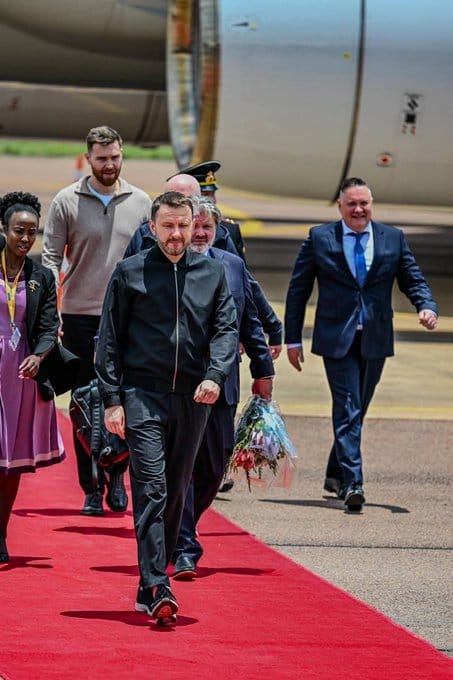
In a move laden with geopolitical significance, Mr. Maksim Oreshkin, Deputy Chief of Staff of the Presidential Executive Office of the Russian Federation, touched down in South Africa on Wednesday, 20 November 2025, to lead the Russian delegation at the upcoming G20 Leaders’ Summit. His arrival sets the stage for a pivotal gathering at the Nasrec Expo Centre, an event already historic for being the first hosted on African soil, but now further charged by the complex tapestry of global alliances and divisions.
Oreshkin, a seasoned economist and former Minister of Economic Development, is a key architect of Russian macroeconomic policy and a trusted advisor to President Vladimir Putin. His designation as delegation head, while a strategic choice, also underscores the ongoing shadow of international tensions. President Putin’s personal attendance at the summit had been a subject of intense speculation, complicated by the International Criminal Court (ICC) arrest warrant issued against him and South Africa’s status as an ICC member state. By sending the highly respected Oreshkin, the Kremlin ensures robust representation at the highest level while navigating these delicate diplomatic constraints.
Beyond Ceremony: A Substantive Agenda for a Multipolar World
The Russian delegation’s agenda, as outlined by analysts, is expected to extend far beyond the summit’s official themes of sustainable development, climate finance, and inclusive growth. Oreshkin’s presence signals a determined push on several key fronts:
- The Ukraine Conflict and Global Food Security: Russia is anticipated to vigorously defend its position and present its narrative on the Black Sea Grain Initiative and its impact on global food supplies. Oreshkin, with his economic expertise, is poised to argue that Western sanctions, not Russian actions, are the primary disruptors of grain and fertilizer markets, a critical concern for many nations in the Global South.
- Forging and Solidifying Alliances: The summit provides an invaluable, neutral platform for Russia to strengthen ties with other major non-Western powers, notably the BRICS bloc. Bilateral meetings on the sidelines with leaders from China, India, Brazil, and South Africa itself are a near-certainty. These interactions are crucial for Russia as it seeks to bolster an alternative, multipolar world order less dependent on Western financial and political systems.
- Economic Resilience and Sanctions Evasion: A key part of Oreshkin’s mission will be to explore and promote mechanisms for trade in national currencies, a central theme of the expanded BRICS group. Discussing ways to insulate trade from Western sanctions and build resilient financial infrastructure will be a top priority, appealing to many developing nations wary of dollar dominance.
A Delicate Dance for South Africa
For host nation South Africa, Oreshkin’s arrival is a diplomatic tightrope. The country has faced considerable Western pressure to align more clearly against Russia, yet it has steadfastly maintained a non-aligned stance, emphasizing dialogue and diplomacy. The government of President Cyril Ramaphosa has successfully avoided the legal and political quagmire of the ICC warrant by hosting a senior official, allowing it to uphold its international obligations while maintaining its strategic partnership with Moscow.
“South Africa is walking a fine line, but thus far, it has managed it with remarkable dexterity,” commented Prof. Susan Booysen, a political analyst. “Hosting Oreshkin allows them to demonstrate their commitment to an inclusive G20 where all voices are heard, without triggering a full-scale diplomatic rupture with Western partners who are also critical to the nation’s economy.”
As delegates from the world’s largest economies begin to converge on Nasrec, the arrival of Maksim Oreshkin ensures that the narrative of a truly ‘global’ South will be contested. The discussions he leads will not only shape the official summit outcomes but will also powerfully illustrate the new, fragmented landscape of 21st-century international diplomacy, where the corridors of a conference centre in Johannesburg become a stage for the world’s most pressing and divisive issues.
About The Author