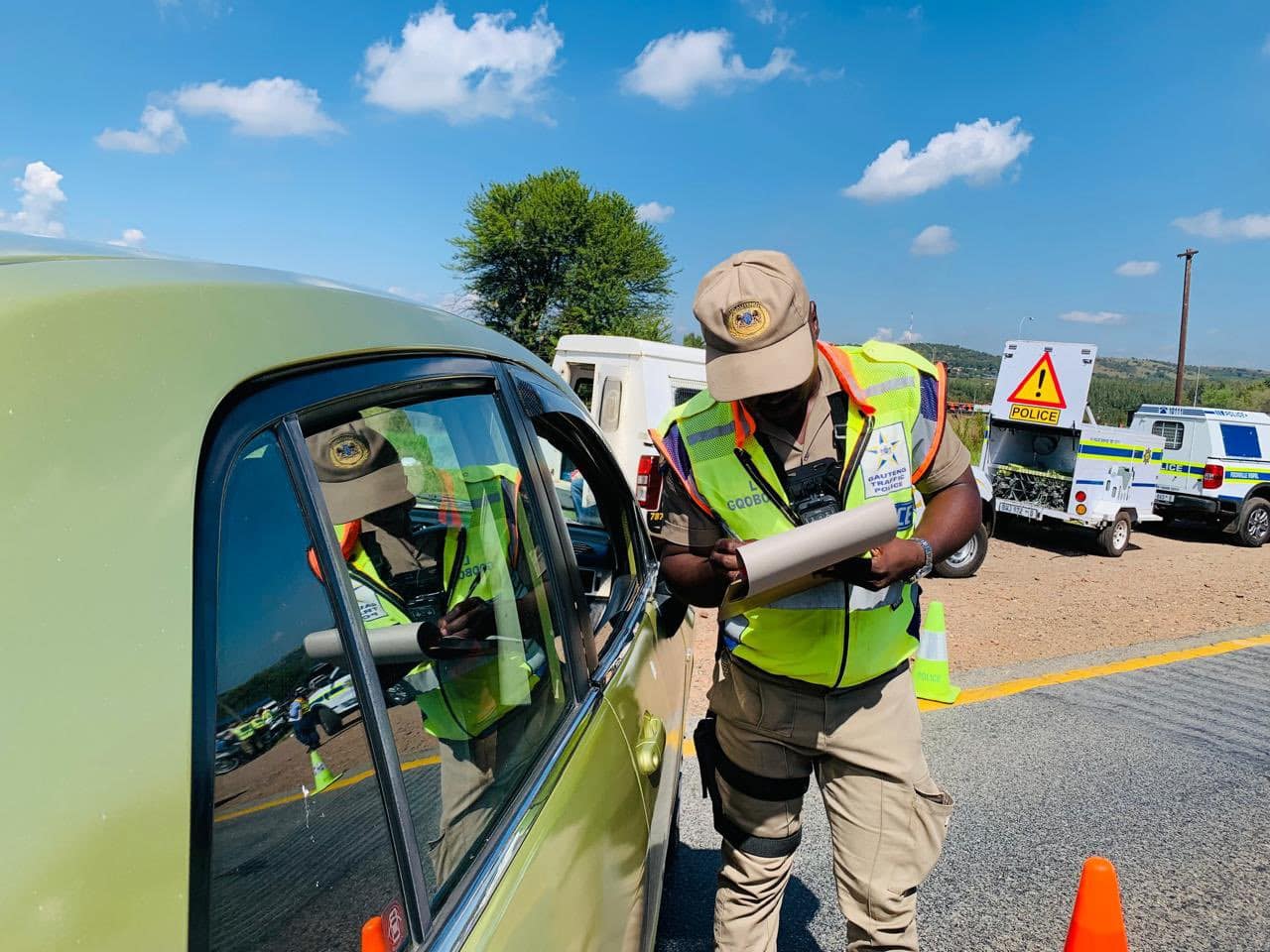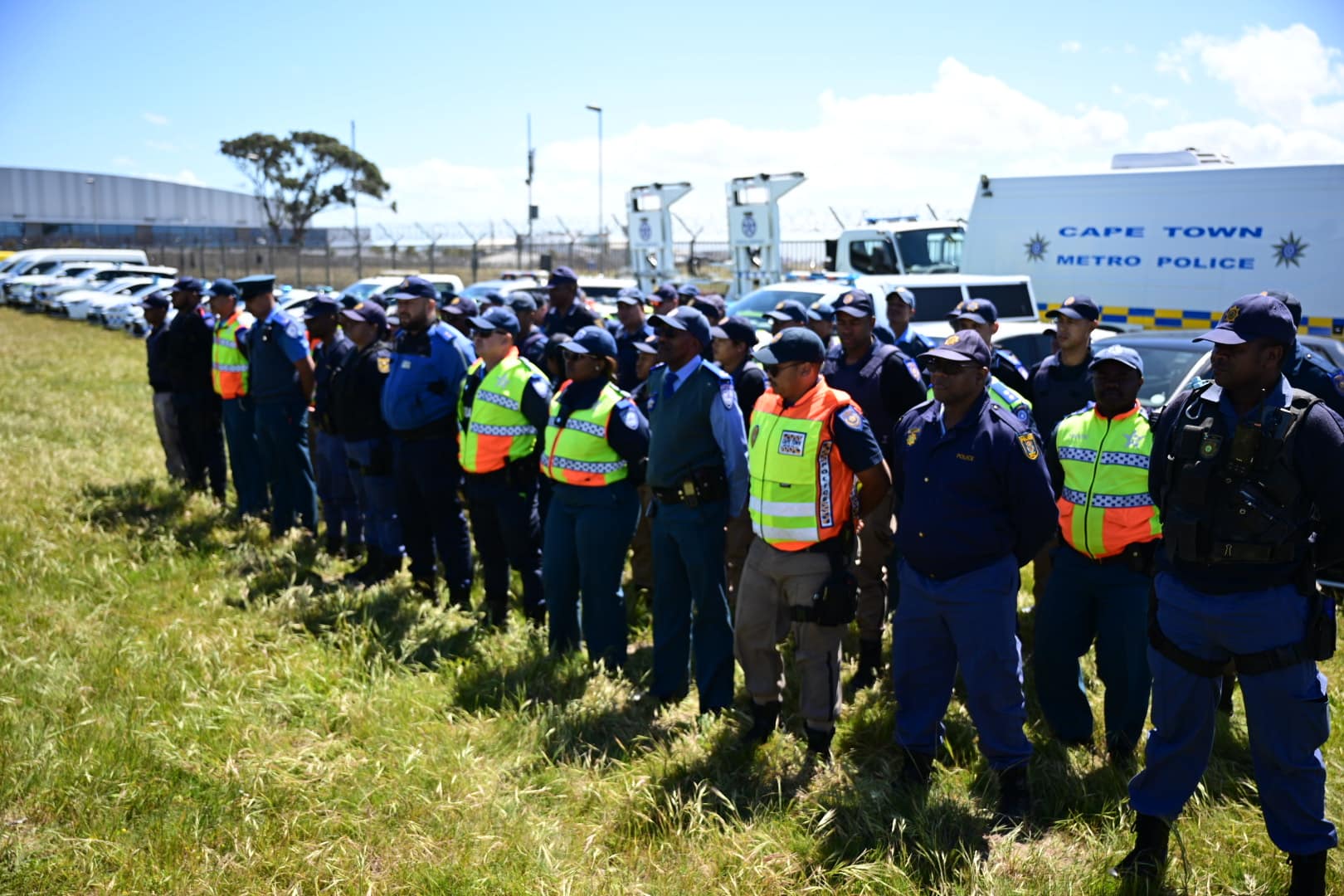
The City of Cape Town’s weekly traffic report delivers a stark and unsettling tally: 44 motorists arrested for drunk driving in the past week. But this number is more than a statistic; it is a symptom of a far deeper and more persistent crisis on our roads and in our public spaces.
The figure becomes truly alarming when placed in context. According to the Member of the Mayoral Committee for Safety and Security, JP Smith, this represents a more than threefold increase from the mere 13 arrests of the previous week. This dramatic spike is not a random anomaly but a predictable, recurring pattern that officials have come to dread—the payday weekend surge. It is a cycle where the influx of salaries is seemingly met with an outflow of judgment, despite years of public awareness campaigns and the ever-present threat of law enforcement.
The problem, however, extends beyond the tarmac. The same week saw officers confiscate hundreds of units of alcohol from the city’s beaches, highlighting a parallel battle against the illegal consumption of alcohol in public spaces. This dual-front enforcement effort underscores a troubling disconnect in the public consciousness. As MMC Smith pointedly noted, there is a continued failure to grasp the “potential consequences of driving or swimming under the influence.” The fact that no major tragedies were reported—no fatal crashes or drownings—this past week feels less like a success and more like a narrowly-avoided catastrophe, a gamble with fate that the city cannot afford to keep taking.
Smith’s frustration is palpable, echoing the sentiment of every emergency responder who has witnessed the aftermath of a poor decision. “It’s mind-boggling,” he stated, “considering the many other available options.” This statement cuts to the heart of the issue. In an era with unprecedented access to ride-hailing services, public transport, and the simple, timeless option of designating a sober driver, the choice to get behind the wheel while intoxicated is not a lapse in luck, but a profound failure of personal responsibility.
The vision this story paints is not just one of legal infractions, but of a cultural stubbornness that laws and enforcement alone have yet to crack. It reveals a community where, for a concerning segment, a “good time” is still perilously intertwined with risk-taking that endangers everyone. The 44 arrests are not just 44 cases for the justice system to process; they are 44 glaring warnings that the message of shared safety is being drowned out. As the city continues its crackdown, the real challenge remains: how to transform this cycle of arrest and release into a lasting cycle of awareness and change, ensuring that the next payday weekend is defined by celebration, not by recklessness.
About The Author