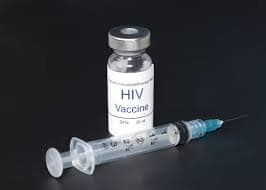
In a monumental stride towards ending the HIV epidemic, South Africa has boldly stepped into a new era of prevention by approving Lenacapavir, a revolutionary long-acting injectable that provides robust protection against the virus with just two shots a year. This landmark decision by the South African Health Products Regulatory Authority (SAHPRA) positions the nation—which has the world’s largest HIV epidemic—as a pioneering leader in the adoption of cutting-edge biomedical prevention on the African continent.
The Science of a “Game-Changer”
Lenacapavir, developed by Gilead Sciences, is not merely an incremental improvement but a paradigm shift in HIV prevention. Unlike daily oral PrEP (Pre-Exposure Prophylaxis) pills, which require a consistent daily routine that can be challenging for many, Lenacapavir is administered as a subcutaneous injection just once every six months.
Its efficacy is rooted in its novel mechanism. As a capsid inhibitor, it attacks the virus at a different stage of its life cycle compared to older drugs. It disrupts the HIV virus’s protective protein shell (the capsid), preventing it from replicating and establishing a permanent infection. Global clinical trials have demonstrated near-complete efficacy, offering a level of protection that could dramatically alter the risk calculus for millions.
A Strategic Rollout: Targeting the Most Vulnerable
Approval is only the first step; equitable access is the true goal. Backed by a substantial R513-million grant from The Global Fund to Fight AIDS, Tuberculosis and Malaria, the phased rollout is scheduled to begin in April 2026. The strategy is intentionally focused on reaching populations that face the highest risk of infection and often the greatest barriers to consistent daily pill use:
- Adolescent Girls and Young Women: A demographic disproportionately affected by HIV in sub-Saharan Africa.
- Pregnant and Breastfeeding Women: Offering them a discreet and highly effective method to protect themselves and prevent mother-to-child transmission.
- Key Populations: Including sex workers, men who have sex with men, and transgender individuals, who often encounter stigma and structural barriers within healthcare systems.
This targeted approach acknowledges that a one-size-fits-all strategy is insufficient. By providing a “set-and-forget” option, Lenacapavir empowers individuals with more autonomy over their prevention journey, freeing them from the daily burden and potential stigma of pill-taking.
The Road Ahead: Logistics, Affordability, and a Future Without HIV
While the promise is immense, the path to widespread implementation is paved with critical challenges and opportunities:
- The Cost Hurdle: The initial price of the branded drug is a significant barrier for a public healthcare system already under strain. The 2026 start date provides a crucial window for complex negotiations between the South African government, Gilead, and global health partners to secure an affordable price.
- The Generic Horizon: The real game-changer for long-term sustainability lies in the expected arrival of generic versions from 2027. This will dramatically drive down costs, making a mass rollout feasible and ensuring South Africa can integrate this tool into its national HIV program for the long haul.
- Building the Delivery System: A successful rollout requires more than just the drug. It demands a robust logistical framework—training healthcare workers, establishing cold-chain storage for the injections, and setting up accessible clinics to administer them. This presents an opportunity to strengthen the entire primary healthcare infrastructure.
A Resounding Message of Hope
South Africa’s approval of Lenacapavir sends a powerful message of resilience and scientific progress. It represents the culmination of decades of research, advocacy, and global solidarity. For the millions of South Africans living in the shadow of HIV, this twice-yearly shot is more than just medicine; it is a tangible symbol of a future where the epidemic can be consigned to the history books.
By embracing this innovation, South Africa is not only protecting its own people but also lighting the way for other nations on the continent, proving that with political will and international partnership, the goal of an AIDS-free generation is finally within reach.
About The Author