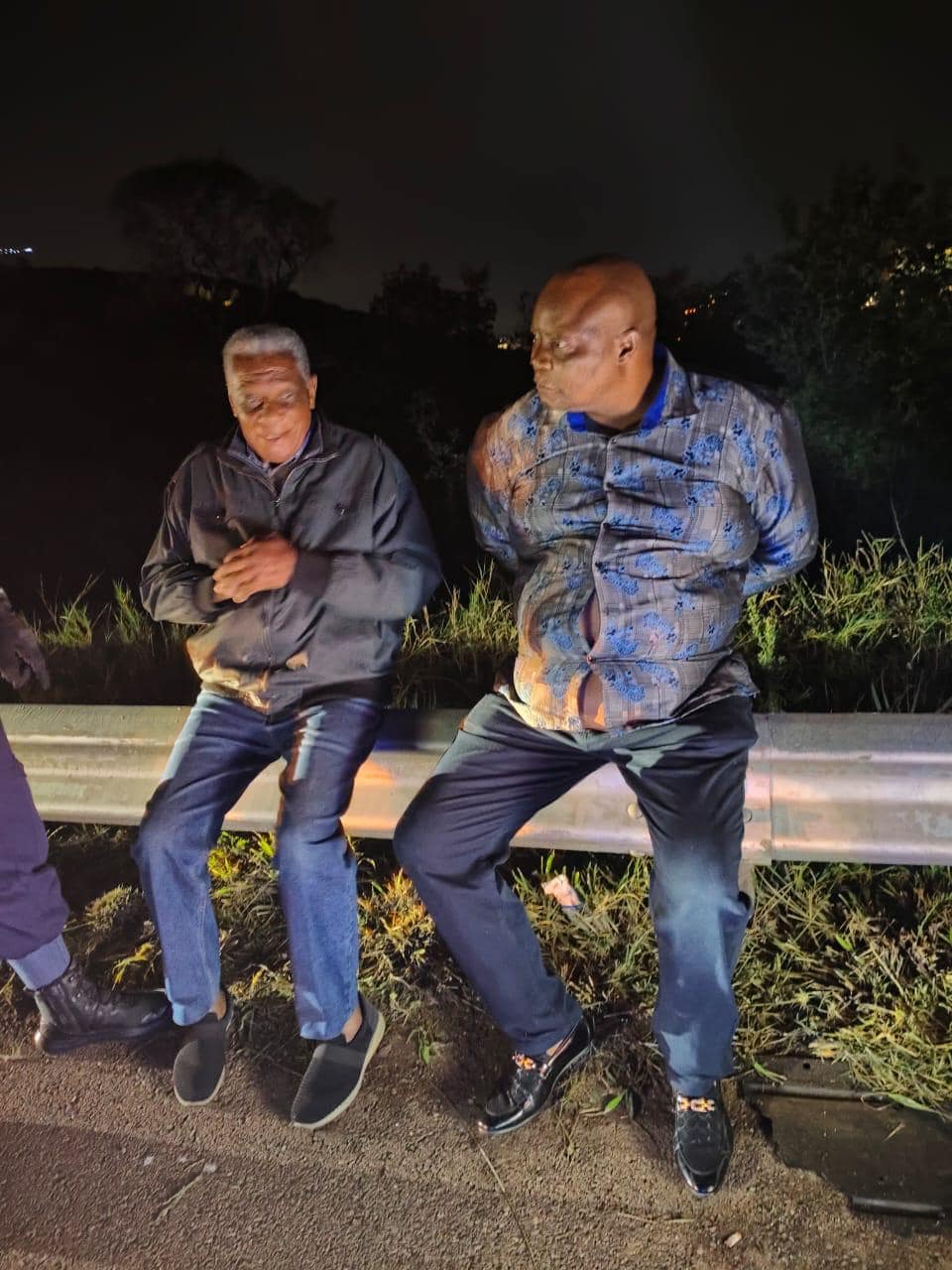
In a development that has sent shockwaves through Southern African political circles, prominent Zimbabwean opposition leader Job Sikhala was arrested by South African police on Thursday night on charges of possessing explosives. The arrest of the 53-year-old firebrand politician, a longtime critic of the ruling ZANU-PF party, immediately ignited a fierce debate, with his supporters alleging a politically motivated frame-up and his detractors pointing to a pattern of incendiary behavior.
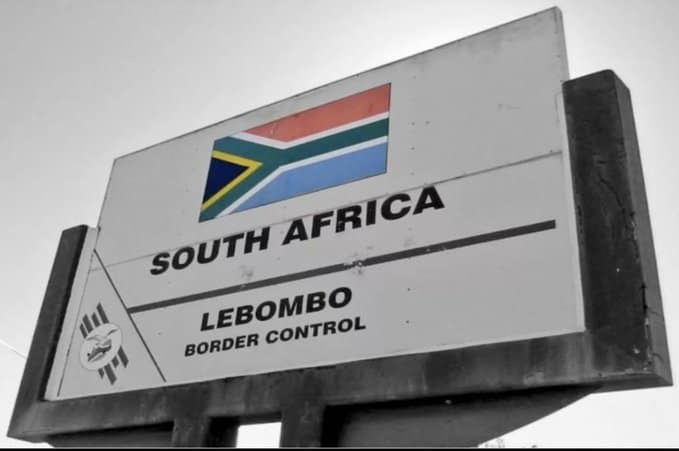
The arrest occurred during a routine traffic stop on the N14 highway outside Pretoria. According to police statements, officers became suspicious and conducted a search of Sikhala’s vehicle, during which they discovered materials described as “suspicious and consistent with explosive devices.” The exact nature and quantity of the materials have not been publicly disclosed, pending forensic analysis.
A Contentious Timeline and Alleged Smuggling Plot
Sources close to the investigation suggest the arrest did not occur in a vacuum. Earlier that evening, Sikhala had attended a meeting in Pretoria with individuals who had reportedly offered him political support. Intelligence sources, speaking on condition of anonymity, indicated that authorities are investigating the possibility that the materials were intended to be smuggled across the border into Zimbabwe, potentially for use in a campaign of destabilization against the government of President Emmerson Mnangagwa.
Sikhala, a former member of parliament and a leading figure in the opposition Citizens Coalition for Change (CCC), has a long and turbulent history with Zimbabwean authorities. He has been repeatedly arrested and imprisoned in Zimbabwe on charges his supporters denounce as trumped-up, most recently spending nearly 600 days in pre-trial detention before his release.
A Tale of Two Narratives
The incident has spawned two starkly opposing narratives.
Sikhala’s supporters and allied human rights organizations have vehemently denounced the arrest, claiming it is a covert operation by Zimbabwean state intelligence agents working in collaboration with sympathetic elements within South Africa’s security apparatus.
“This is a blatant transnational abduction by proxy,” declared a spokesperson for the Zimbabwe Exiles Forum. “The evidence was clearly planted. This is Mnangagwa’s government silencing its most vocal critic on foreign soil. We demand his immediate and unconditional release.”
Conversely, critics and commentators aligned with ZANU-PF have pointed to Sikhala’s history of what they call “radical and violent rhetoric” as evidence of his capability for such an act. They argue the arrest is a legitimate law enforcement action by South African authorities acting on credible intelligence.
Diplomatic Ramifications and Social Media Frenzy
The case places the South African government in a delicate diplomatic position, forcing it to navigate between upholding its own laws and managing relations with its powerful northern neighbor. The South African Police Service has stated that the matter is being treated as a criminal case, with no current political considerations.
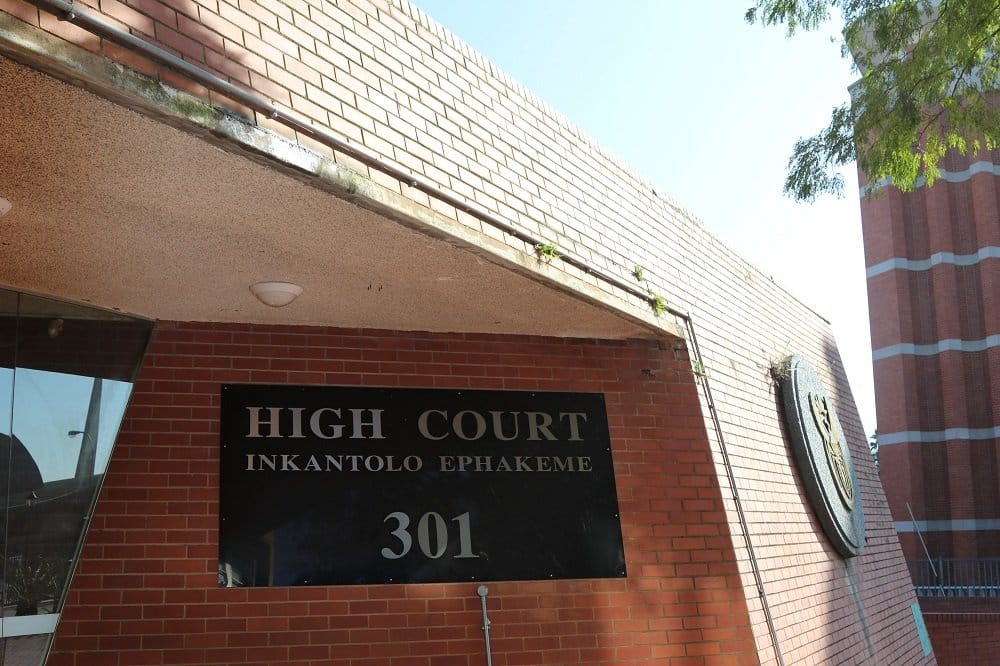
Meanwhile, the court of public opinion is in full session on social media, with the hashtags #FreeJobSikhala and #SikhalaArrested trending, reflecting the deep polarization the figure inspires. As Sikhala awaits his first court appearance, the arrest has escalated from a criminal matter into a significant regional political event, one that threatens to further strain the already complex relationship between Harare and Pretoria while testing the resilience of South Africa’s judicial independence.
About The Author