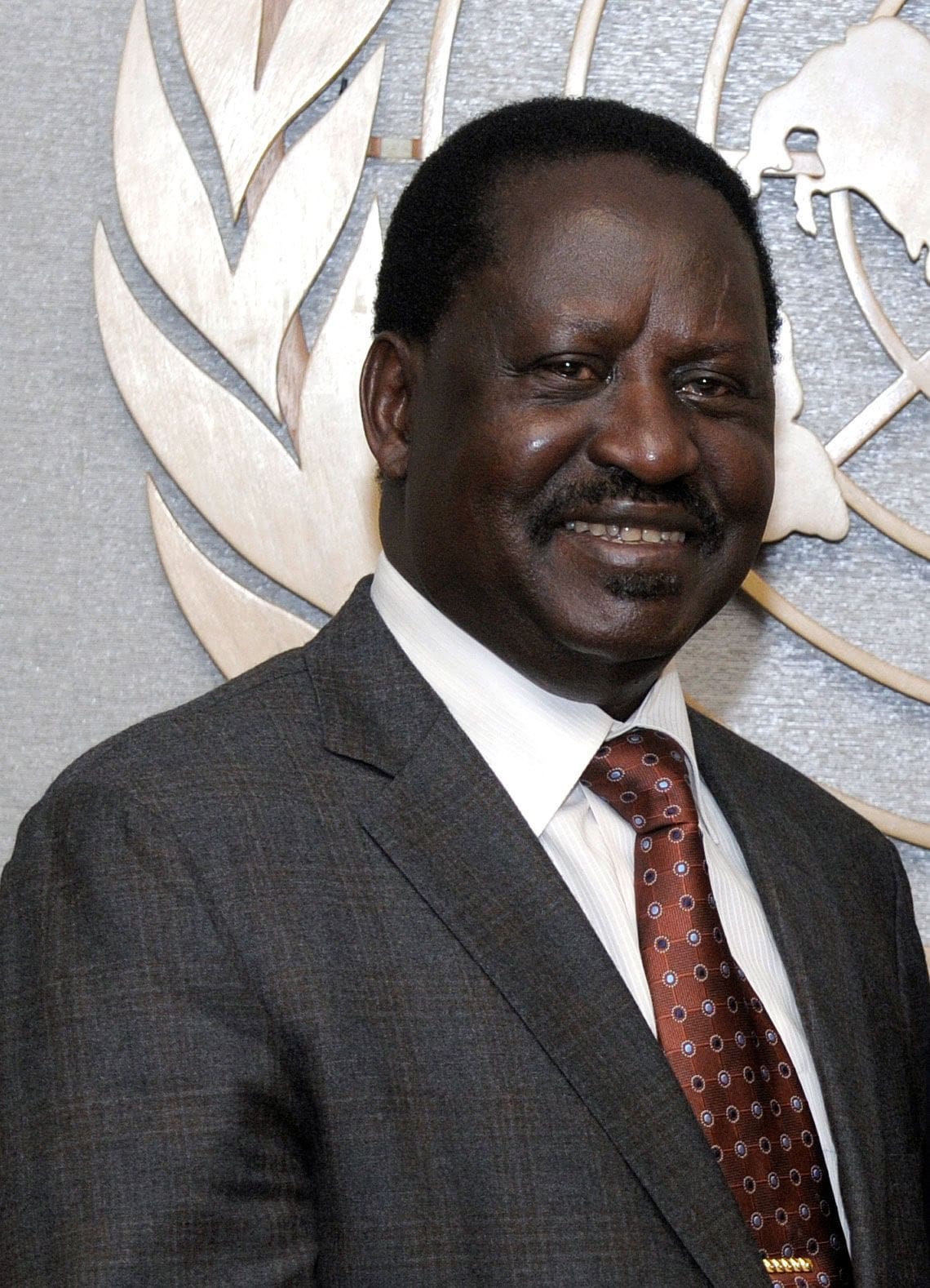
The world has lost a towering figure of African politics with the passing of former Kenyan Prime Minister Raila Odinga, who died on Wednesday, October 15, 2025, at the age of 80. The veteran opposition leader and five-time presidential candidate succumbed to a cardiac arrest while on a morning walk in Koothattukulam, Kerala, India, where he was receiving specialized Ayurvedic treatment.
The Final Journey
Mr. Odinga had traveled to India on October 4th, accompanied by his daughter and his personal physician, seeking post-operative care at a renowned eye hospital following a recent minor stroke he suffered in Nairobi. According to sources close to the family, his morning routine included walks to promote his circulation and overall well-being. Tragedy struck during one such walk when he suddenly collapsed. Despite immediate resuscitation efforts by his physician and swift transfer to a nearby medical facility, he was pronounced dead. The official cause was confirmed as cardiac arrest.
The End of a Political Era
The news sent shockwaves through Kenya and across the African continent, marking the end of a monumental and often turbulent chapter in the nation’s history. Affectionately known as “Agwambo” (the mysterious one) and “Jakom” (the chairman) by his millions of fervent supporters, Odinga was more than just a politician; he was a central architect of Kenya’s modern democracy.
His life was a testament to resilience and the fight for multi-party politics. The son of Kenya’s first vice-president, Jaramogi Oginga Odinga, Raila inherited his father’s mantle as a champion for the marginalized. His political career was forged in the fires of struggle, including a traumatic eight-year detention without trial during the Daniel arap Moi era. This experience cemented his image as a pro-democracy martyr.
A Complex and Enduring Legacy
Odinga’s legacy is as complex as it is significant. He served as Prime Minister from 2008 to 2013 in a power-sharing government, a role brokered to end the devastating post-election violence of 2007-2008. This period highlighted his dual role as both a fiery opposition leader and a necessary force for stability. His handshake with former rival President Uhuru Kenyatta in 2018 was a landmark moment of reconciliation that calmed the nation’s fraught political tensions, though it also drew criticism from supporters who felt he had compromised his reformist ideals.
A five-time presidential candidate, Odinga never quite captured the nation’s top office, with his final bids in 2017 and 2022 ending in controversial, disputed results. Yet, his influence was inescapable, shaping policy, defining political debates, and mobilizing a massive and loyal base.
Global Reaction and a Nation’s Grief
Tributes have poured in from global leaders, with the African Union, the United Nations, and heads of state across the continent expressing their condolences. In Kenya, the atmosphere is one of profound national mourning. Public gatherings have sprung up spontaneously in his strongholds of Kisumu, Nairobi’s Kibera slum, and across the country, with citizens singing liberation songs he made famous and sharing stories of his impact.
President William Ruto, his most recent political adversary, declared seven days of national mourning, stating, “We have lost a patriot who loved his country and dedicated his life to its service.”
Raila Odinga’s passing leaves a vast void in Kenyan politics. He was a symbol of defiance, a master strategist, and a figure who embodied the hopes, frustrations, and relentless spirit of a vast segment of the Kenyan populace. As the nation grapples with this immense loss, the story of his life remains inextricably linked to the story of Kenya itself—a story of struggle, resilience, and an unending quest for a more perfect democracy.
About The Author