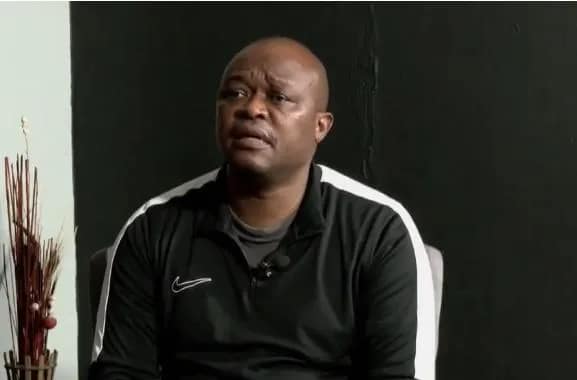
In a decisive move that escalates its investigation into the highest echelons of power, the Madlanga Commission of Inquiry has formally served North West businessman Brown Mogotsi with a Rule 3 notice, compelling him to answer to a series of grave allegations that place him at the center of a web of criminal interference and political protection within the South African Police Service (SAPS). Mogotsi, a figure with alleged close ties to Police Minister Senzo Mchunu, now has five days to formally respond to the charges or face the legal consequences.
The notice, dated October 7, marks a critical juncture in the commission’s work, moving from gathering evidence to directly confronting a key alleged actor in the scandal. It officially notifies Mogotsi that the evidence presented to the inquiry implicates him in a trifecta of serious offenses: unlawful interference in SAPS operations, associations with organized crime networks, and the maintenance of a strategic relationship with Minister Mchunu, who is currently on a leave of absence pending his own set of related allegations.
The commission’s case against Mogotsi appears to be built on a damning digital paper trail. As previously revealed through explosive WhatsApp messages, Mogotsi allegedly acted as a conduit between alleged criminal financier Vusimuzi “Cat” Matlala and the upper levels of the police and political establishment. The messages laid bare a scheme in which Matlala paid hundreds of thousands of rands to Mogotsi, with some funds allegedly directed to ANC activities. In return, Mogotsi is accused of providing Matlala with protection from investigations and access to highly classified SAPS documents.
The formal notice outlines the core of the evidence against him, which includes:
- Undermining SAPS Integrity: Direct involvement in decisions that compromised the operational independence and integrity of the police service.
- Collusion with Criminal Networks: Acting as a liaison between organized crime syndicates and state structures to manipulate police actions and priorities.
- Orchestrating Political Protection: Using his political connections, particularly with Minister Mchunu, to create a shield for illicit operations.
While Mogotsi has previously stated he is “ready to appear before the commission if summoned,” this notice transforms a voluntary offer into a legal obligation. Chairperson Justice Mbuyiseli Madlanga retains the full authority to compel his testimony, whether he willingly responds or not. This development is inextricably linked to the suspension of Minister Mchunu, who stands accused of dismantling the crucial Political Killings Task Team allegedly to protect drug cartels and politically connected syndicates—actions in which Mogotsi is now implicated as a potential key facilitator.
The five-day deadline sets a ticking clock for one of the scandal’s most enigmatic figures. His response, or lack thereof, will significantly influence the trajectory of an inquiry that is steadily uncovering the mechanics of how criminality and political power have become intertwined within South Africa’s justice system.
About The Author