In a significant development that challenges the official French investigation, the family of the late Ambassador Nathi Mthethwa has expressed profound relief and renewed hope as a team of five seasoned South African police investigators arrived in Paris to independently probe the circumstances of his death. The family has formally rejected the preliminary conclusion by French authorities that the former minister committed suicide, insisting that a more thorough investigation is needed to uncover the full truth.
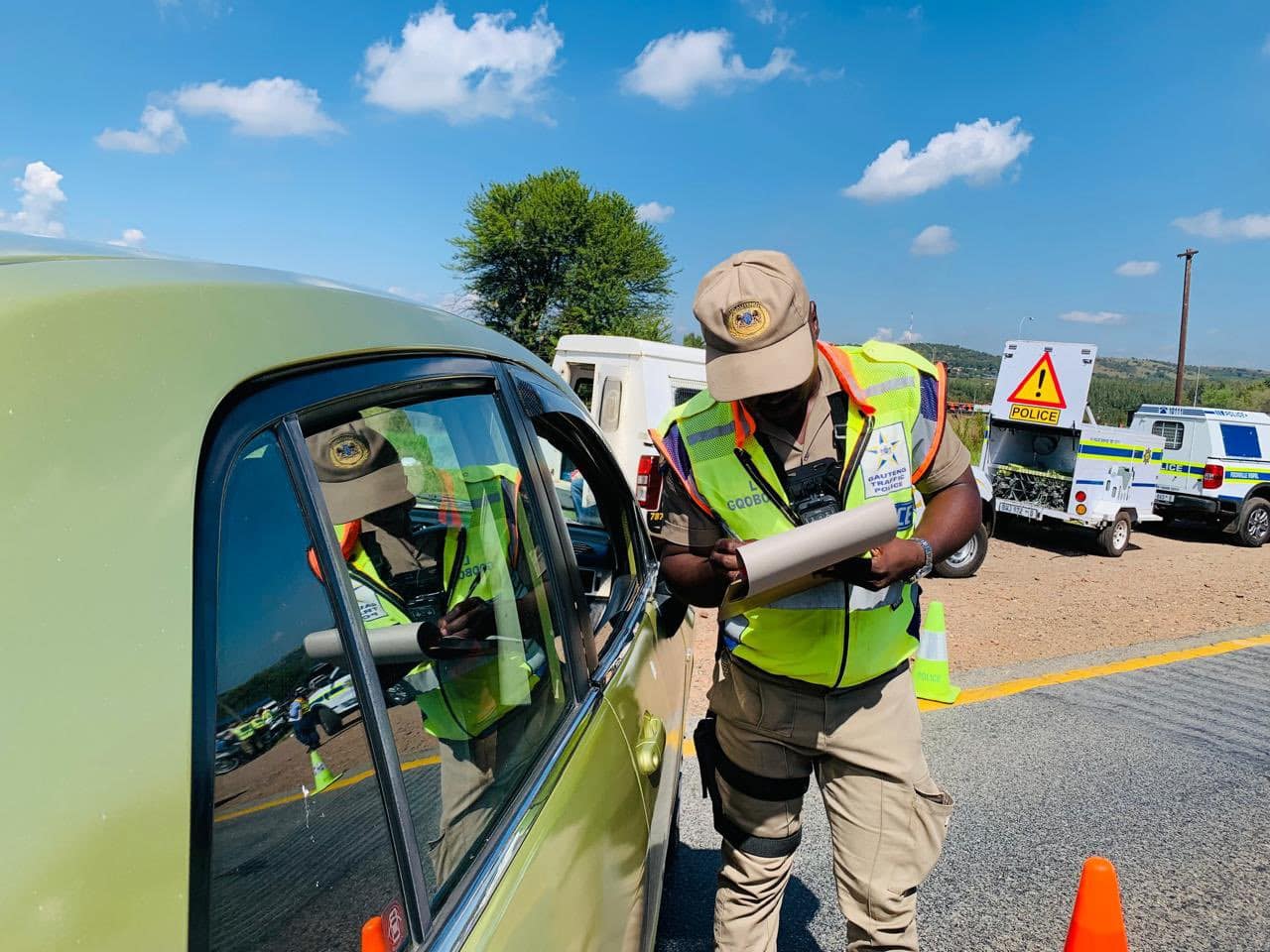
The delegation of South African officers, whom Police Minister Professor Firoz Cachalia described as “seasonal,” departed for France on Saturday. The team is led by a high-ranking and respected figure, Western Cape Deputy Provincial Commissioner for Crime Detection, Major General Bongani Maqhashalala. His involvement signals the seriousness with which the South African government is treating the case. The team’s mandate is to work alongside, but independently scrutinize, the findings of the French police, who have been leading the investigation since Mthethwa’s body was discovered on the pavement outside the 137-meter-tall Hyatt Regency Hotel on September 30, 2025.
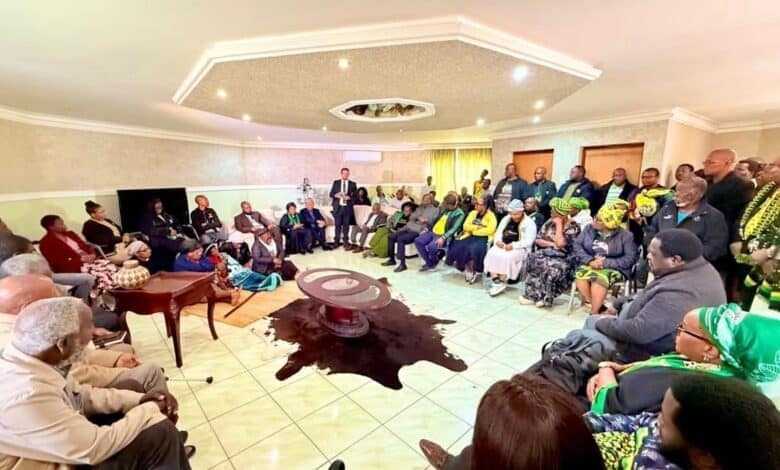
For the Mthethwa family, this intervention is a crucial step toward achieving closure. In an emotional statement, the ambassador’s brother, Khulekani Mthethwa, articulated the family’s deep-seated doubts and their faith in their country’s investigators. He expressed the family’s fervent hope that the South African officers would “be able to dig deeper and come up with answers as to how his sibling… met his death.” This sentiment underscores a fundamental distrust in the initial findings and a belief that critical questions remain unanswered.
The family’s rejection of the suicide ruling adds a complex layer to the tragedy. While the French investigation, which cited a forced hotel window and a distressing final message, pointed toward a “deliberate act,” the family’s insistence on a deeper probe suggests they possess private knowledge or hold suspicions that the situation may be more nuanced. Their push for clarity highlights the agonizing uncertainty that often accompanies high-profile deaths, particularly those occurring under mysterious circumstances abroad.
The arrival of General Maqhashalala’s team transforms this from a distant diplomatic tragedy into an active, multinational investigation. It represents a victory for the Mthethwa family’s advocacy and sets the stage for a potentially revelatory chapter in a story that has captivated and saddened the nation, ensuring that the final word on Nathi Mthethwa’s death has not yet been written.
About The Author