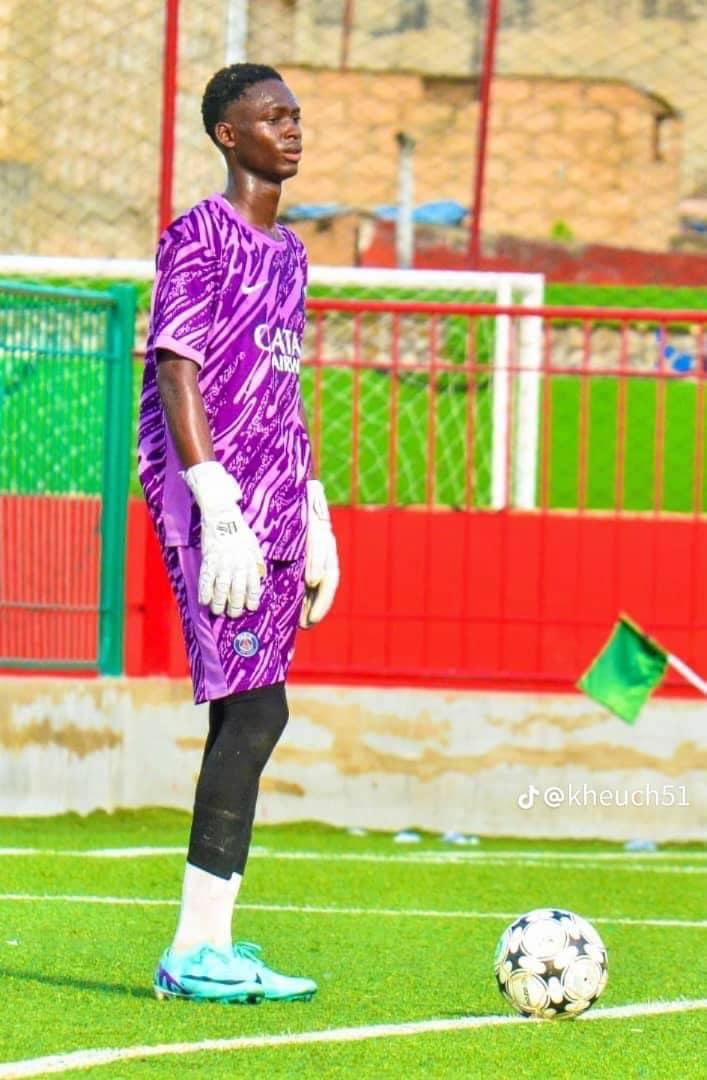
In a harrowing tale that has sent shockwaves through the world of football and beyond, the bright future of an 18-year-old Senegalese goalkeeper was brutally extinguished by a predatory criminal network. Cheikh Touré, a promising talent from the Esprit Foot Yeumbeul academy in Senegal, was lured to Ghana under false pretenses, kidnapped, and ultimately murdered when his family could not pay a ransom, according to a statement from Senegal’s Ministry of African Integration and Foreign Affairs.
The tragedy unfolded like a cruel mockery of a young athlete’s aspirations. Touré, whose talent between the goalposts had marked him as a potential future star, was contacted by individuals posing as agents or scouts. They presented him with the opportunity that countless young African footballers dream of: professional trials in Ghana, a neighboring country with a strong footballing culture. Believing he was on the cusp of a career breakthrough, Touré made the journey to the city of Kumasi, a hub of Ghanaian football.
It was there that the dream became a nightmare. Instead of being greeted by club officials, he was met by kidnappers. The fraudsters, who had meticulously built his trust, revealed their true intentions, holding him captive and making contact with his family back in Senegal. Their demand was simple and brutal: pay a ransom for his safe return.
For his family, the days that followed were a desperate scramble under impossible circumstances. They pleaded for more time, attempting to gather the funds against the clock. But on October 17, 2025, the criminals’ patience ran out. With the payment unmet, they executed their threat, killing the young goalkeeper.
The confirmation of his death was delivered in a somber statement from the Senegalese government, which expressed its “deep sorrow and indignation” and vowed to work closely with Ghanaian authorities to ensure justice is served. The statement highlighted the grim reality of the case, confirming the extortion and murder.
In the aftermath, the machinery of international protocol and investigation has begun to turn. Ghanaian police have launched a full-scale investigation to dismantle the extortion network believed to be responsible, a grim reminder of the criminal elements that sometimes prey on the hopes of young athletes. Meanwhile, the Senegalese embassy in Ghana is assisting with the heartbreaking task of repatriating Touré’s body from the Ebenezer Mortuary in Tafo, Kumasi.
The football community, particularly in Senegal, is mourning the loss of one of its own. The Esprit Foot Yeumbeul academy, which had nurtured his talent, is now grappling with an unimaginable loss. The story of Cheikh Touré is no longer one of sporting potential, but a devastating cautionary tale about the vulnerabilities faced by aspiring young athletes and the sinister forces that exploit their dreams. His death has cast a pall over the sport, a stark reminder that the pursuit of a better life through football can, for some, end in the most tragic way imaginable.
About The Author