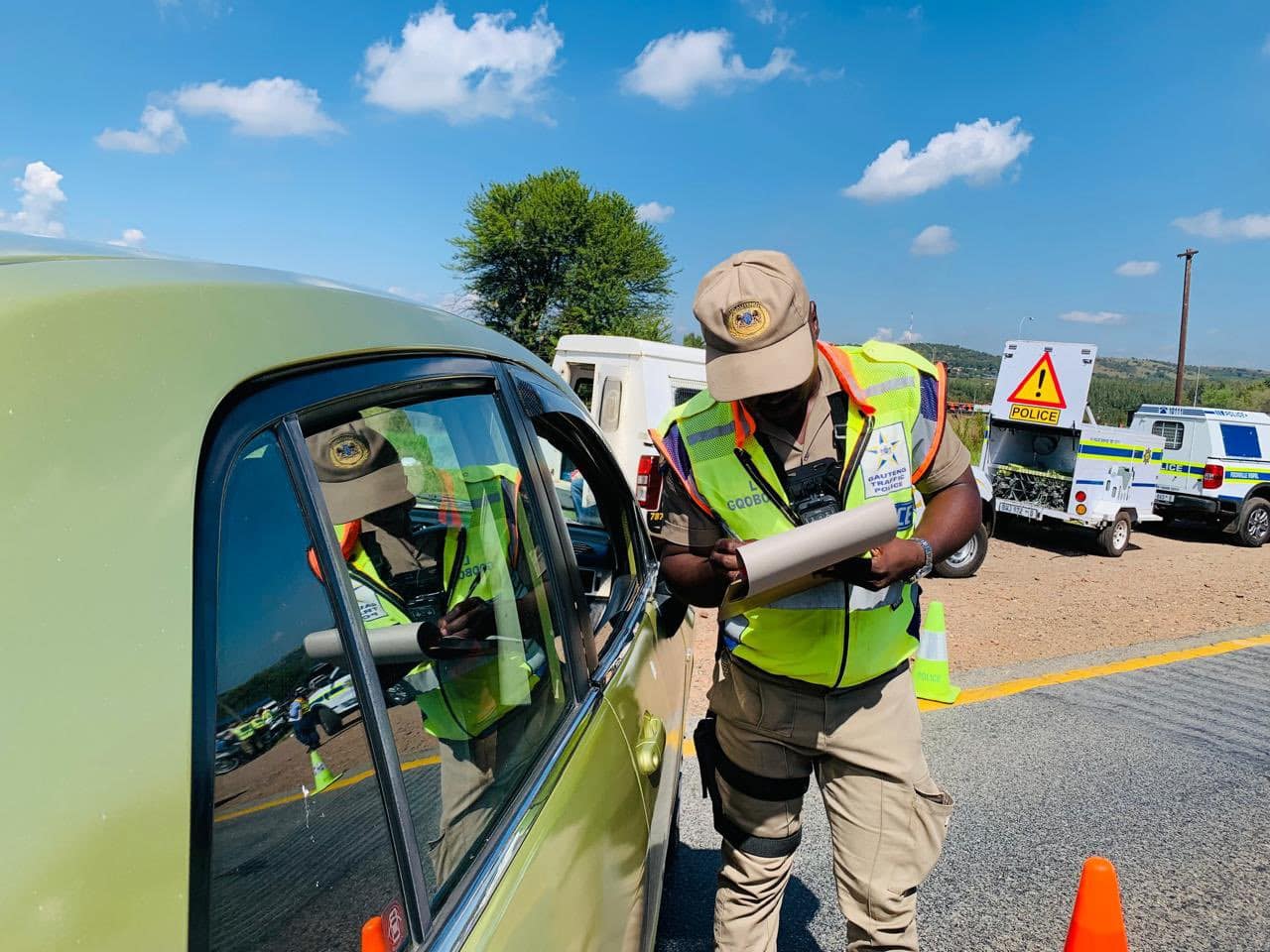
The Cape Flats, a vast, windswept plain on the outskirts of the city, is once again convulsing in a cycle of violence so brutal it has shattered families and strained the very fabric of community. A surge in gang warfare has left at least 22 people dead in a single, bloody weekend last month, with six more lives claimed in renewed violence in recent days. These are not just statistics; they are fathers, mothers, and children caught in a crossfire of poverty, historical neglect, and drug-fueled turf wars.
The scale of the carnage is staggering. According to data from the South African Police Service (SAPS), the Western Cape province, where the Cape Flats is located, is averaging nine murders per day—a grim tally that far outpaces other regions and paints a picture of a province in the grip of a profound crisis.
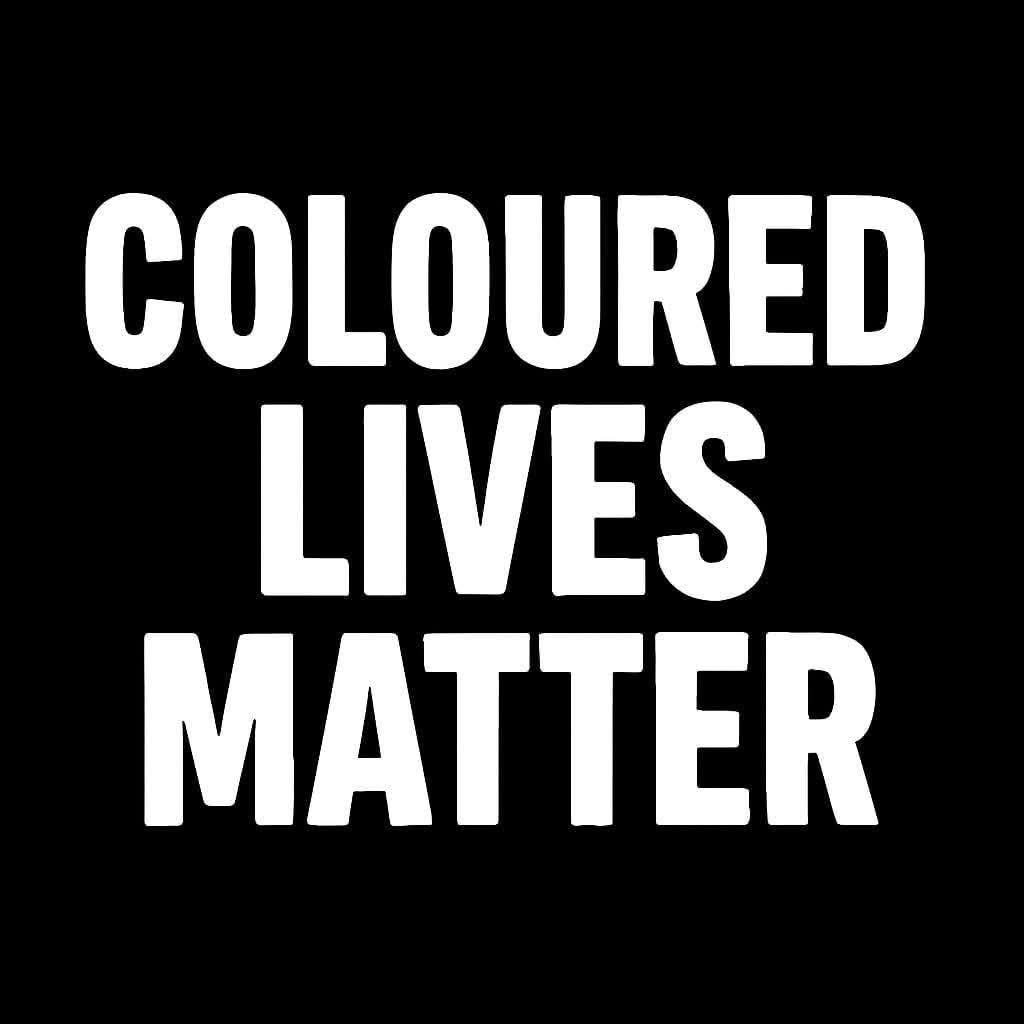
In response to this escalating trauma, a new cry for help has emerged from the heart of the chaos. Liam Jacobs, a youth leader with the Patriotic Alliance, took to social media platform X to launch the hashtag #ColouredLivesMatter, a deliberate echo of global social justice movements, tailored to spotlight the specific and often overlooked plight of the Coloured communities who predominantly inhabit the Cape Flats.
“The world needs to see our pain,” Jacobs stated from his office in Manenberg, one of the areas hardest hit by the recent violence. “For too long, our people have been dying in silence, our stories relegated to the inside pages of newspapers. This hashtag is a demand to be seen. It is a declaration that our lives, our safety, and our future matter.”
The campaign, which has begun to gain traction online, is not merely a digital outcry. Jacobs and a coalition of community organizations are planning a national protest for December 1st, aimed at forcing all levels of government to confront what they describe as a systemic failure. They point to a toxic cocktail of factors: desperate poverty born from generations of economic exclusion, a rampant drug trade that turns streets into battlefields, and the enduring legacy of apartheid-era social engineering that corralled non-white populations into underserved, overcrowded townships.
The response to the #ColouredLivesMatter movement has been as complex as the problems it seeks to address.
Supporters have rallied to the cause, sharing harrowing testimonies and calling for urgent intervention. “Where is the government? Where are the police?” asked one resident on social media. “Our children can’t even play outside. We need the army, we need social workers, we need something, anything, to break this cycle.”
However, the campaign has also drawn criticism from within and outside the community. Some critics argue that while external factors are real, the movement must also confront uncomfortable truths about internal community dynamics. “We cannot only point fingers at the government,” wrote a local activist and former gang member in a widely shared op-ed. “When a 16-year-old boy is killed by another 16-year-old boy from the same neighbourhood, over the same drug route, we must also ask: where are the fathers? Where is the community accountability? The violence is intra-communal, and the solution must be, in part, internal.”
This tension highlights the immense challenge facing the #ColouredLivesMatter movement. It must navigate the delicate balance between demanding much-needed state resources and intervention, while also championing a message of internal unity and responsibility to disarm the gangs that have filled the vacuum left by an absent state.
As the countdown to the December 1st protest begins, the Cape Flats remains a tinderbox. The #ColouredLivesMatter campaign has succeeded in casting a national spotlight on its agony, but the path from outcry to action, from hashtag to hope, remains fraught and uncertain, mirroring the very streets it seeks to redeem.
About The Author