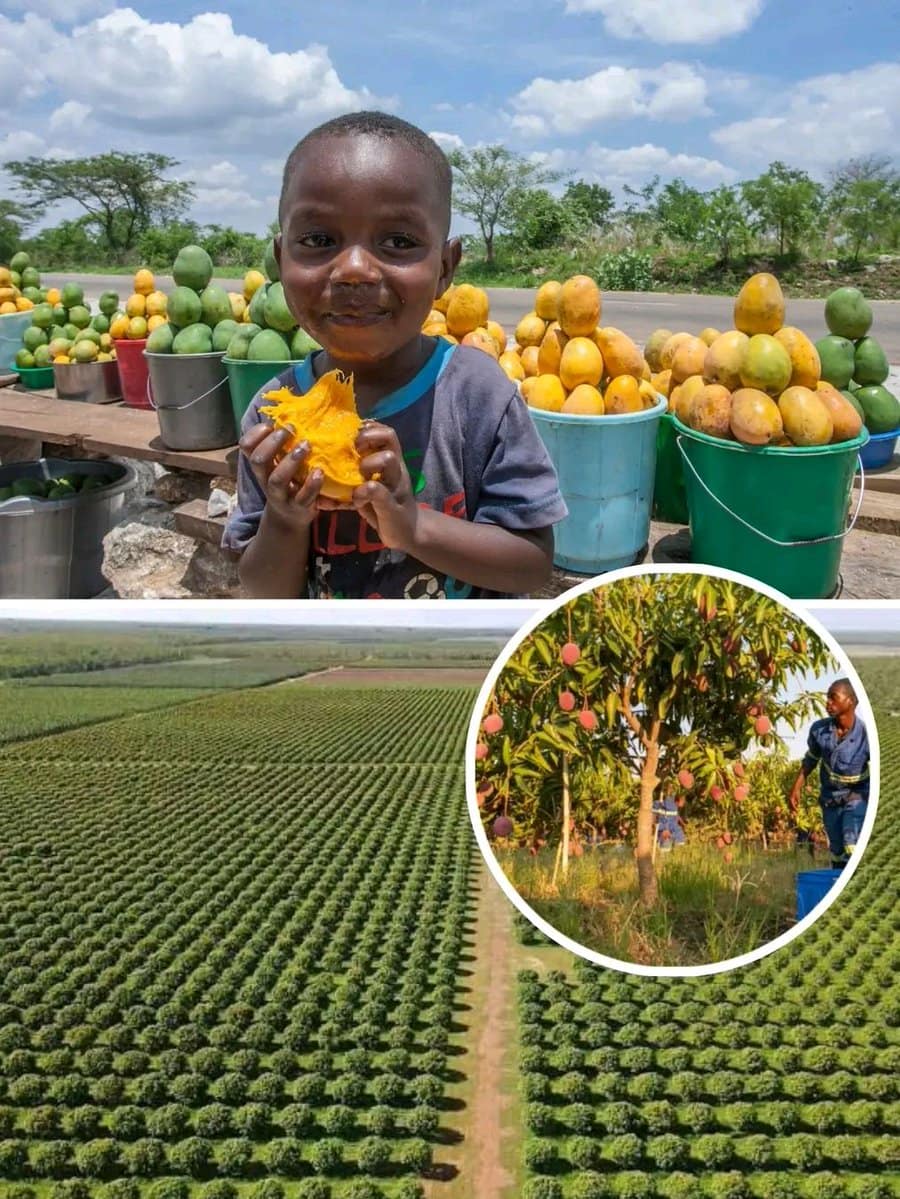
What began as a simple, almost playful, declaration of fruit superiority has blossomed into a full-blown cultural showdown, pitting two of South Africa’s most vibrant provinces against each other in a spirited display of regional pride. The spark was lit by prominent radio host and KwaZulu-Natal native, Sizwe Dhlomo, who took to social media to crown KZN’s mangoes as the undisputed “best in South Africa.”
The gauntlet was thrown, and the response from Limpopo was swift and merciless. Residents and officials were quick to counter Dhlomo’s claim not just with regional pride, but with hard, agricultural data. They highlighted Limpopo’s dominance as the nation’s mango breadbasket, responsible for a staggering 70% of South Africa’s total commercial mango production. The province’s reputation was built on the fertile soils of regions like Tzaneen and the Letaba area, long celebrated for cultivating premium varieties known for their rich flavour, vibrant colour, and ideal texture, attributes that make them favourites both for local markets and international export.
But this was never just about agriculture. As the online thread swelled to over 13,000 engagements, the debate naturally ripened, expanding beyond fruit to encompass the very soundscapes of the two provinces. The cultural counter-argument became a symphony of contrasting rhythms.
From KwaZulu-Natal, users championed Maskandi, the genre’s deeply traditional Zulu folk music. With its resonant acoustic guitar melodies and storytelling lyrics that often speak of rural life, journey, and social commentary, Maskandi was presented as the sound of heritage, history, and cultural authenticity, a music with deep, enduring roots.
In response, Limpopo’s defenders fired back with the sound of the moment, Lekompo. This burgeoning genre, born in the streets and townships of the province, is characterised by its fast-paced, electronic beats and energetic dance moves. Touted as the sound of the youth, Lekompo was championed as the rhythm of innovation, modernity, and viral popularity, quickly spreading beyond its provincial borders to captivate a younger generation across the nation.
The exchange, while lighthearted, peeled back the layers on a much deeper narrative. The 2024-2025 mango season became a proxy for a timeless conversation about value and prestige. Is superiority defined by tradition and cultural specificity, as embodied by KZN’s artisanal mango claims and the roots of Maskandi? Or is it defined by commercial dominance, scale, and contemporary influence, as argued by Limpopo with its agricultural output and the chart-topping appeal of Lekompo?
This friendly clash of kingdoms, played out over the sweetness of mangoes and the beat of music, ultimately did more than just declare a winner. It served as a vibrant, noisy, and delicious reminder of the rich and diverse tapestry of South African culture, where even a piece of fruit can contain a universe of history, pride, and identity.
About The Author