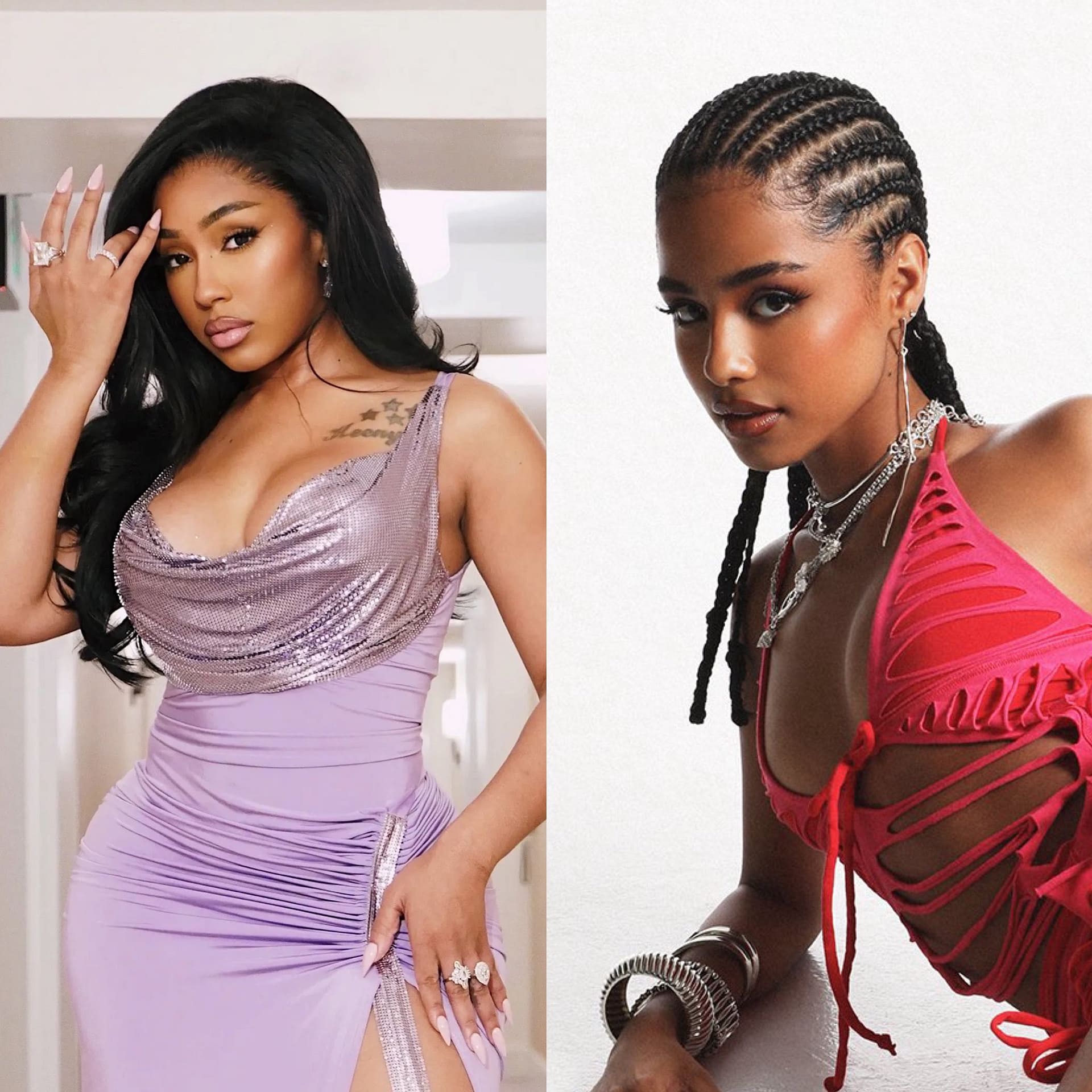
The world of high-fashion-inspired hip-hop and amapiano has been ignited by a fiery online dispute, pitting a City Girl against South Africa’s rising global star. The conflict centers on a single, coveted name: Chanel.
South African songstress Tyla, riding a massive wave of international success with her hit “Water,” sent her fans into a frenzy this week with the announcement of her upcoming single, “CHANEL,” slated for release on October 24. The teaser for the track promises a seamless fusion of her signature amapiano rhythms with aspirational luxury themes, featuring a catchy hook about being put in the iconic French designer’s attire.
However, the celebratory mood was swiftly interrupted. City Girls rapper Yung Miami, also a successful solo artist, took to X (formerly Twitter) with a series of pointed tweets, alleging that the core concept of Tyla’s new song was not an original idea but one borrowed from her.
“Wait a damn minute!!!!! I previewed a song to Tyla with the hook ‘Take me to Chanel’… now she got a song called Chanel,” Miami tweeted, immediately setting social media ablaze. In subsequent posts, she elaborated, distinguishing their musical approaches while standing by her claim. “My song is a hip-hop beat… her song is a dance beat… 2 different type [sic] of songs but the concept is the same.”
The allegation hinges on a personal interaction. According to Yung Miami, she privately played Tyla an unreleased track of hers, which also used the “Chanel” concept as its central theme. This preview, she implies, served as the inspiration for Tyla’s forthcoming single. Snippets of both tracks now circulating online highlight the stylistic chasm between them. Yung Miami’s version leans into her established hip-hop bravado, built on a heavy trap beat with a more direct, demanding tone. Tyla’s “CHANEL,” in contrast, is quintessentially Tyla: an upbeat, melodic, and danceable track rooted in the South African amapiano sound that has become her global passport.
The music community and fans have been divided in their response. While Yung Miami’s supporters argue that the similarity in the core concept—using the Chanel brand as a metaphor for being treated to a luxury lifestyle—is too specific to be coincidental, others have been quick to defend Tyla. Critics of the accusation point out that songs about luxury fashion brands are a well-established trope in hip-hop and pop, citing countless tracks from artists like Ariana Grande (“7 rings”), Lil Kim (“Black Friday”), and even City Girls themselves, who have frequently referenced high-end designers in their lyrics.
Furthermore, as of now, there is no reported evidence of outright musical theft—such as sampled melodies, identical lyrics, or stolen production—beyond the shared thematic premise. The situation presents a complex, grey-area debate in the music industry: can an artist own a concept, especially one as pervasive as luxury fashion?
Tyla has yet to issue a public statement addressing the allegations directly. The controversy, however, has undoubtedly amplified anticipation for both tracks. What was once a simple countdown to a new Tyla release has now become a waiting game to hear two different interpretations of a luxury concept, set against a backdrop of brewing professional rivalry and a fundamental question of creative ownership in the modern music scene.
About The Author