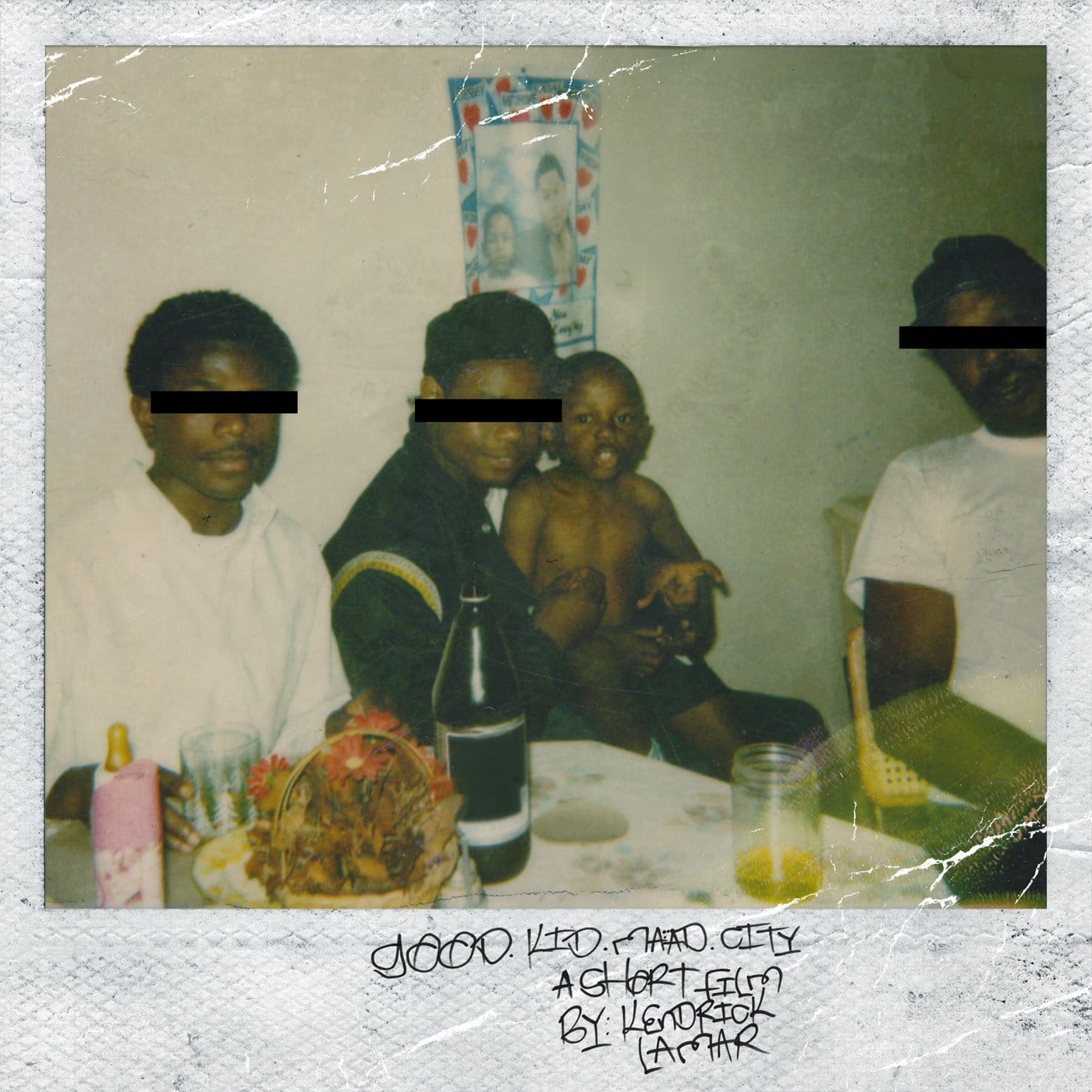
In the relentless churn of the music industry, where albums are often treated as disposable playlists, some works of art refuse to be merely consumed. They persist, they resonate, and they deepen with time. Thirteen years ago today, a then-25-year-old Kendrick Lamar Duckworth released his major-label debut, ‘good kid, m.A.A.d city,’ not merely as a collection of songs, but as a seismic event in hip-hop storytelling, a coming-of-age film for the ears that has since proven itself to be timeless.
Arriving on October 22, 2012, the album was immediately recognized as something different. It wasn’t just a rap record; it was a gripping, semi-autobiographical narrative that transported listeners into the pressurized, often perilous streets of Compton, California. Framed by voicemails from his parents and his friends, the album unfolds like a tense, 68-minute short story. We follow “Kendrick” through a single, fateful day, a narrative arc that spans the innocence of cruising with friends in “The Art of Peer Pressure,” the visceral temptation in “Backseat Freestyle,” the spiritual crisis of “Sing About Me, I’m Dying of Thirst,” and the final, desperate prayer for redemption.
This wasn’t just storytelling; it was world-building on a literary scale. Tracks bled into one another, motifs recurred, and characters developed, creating a cohesive, cinematic whole that demanded to be experienced from the first skit to the last haunting note. It was an audacious claim that the rap album could be a novel, a film, and a profound personal confession all at once.
From Commercial Force to Cultural Fixture
The commercial and critical reception was as immediate as it was emphatic. The album debuted at No. 2 on the prestigious Billboard 200 chart, moving an impressive 242,000 copies in its first week—a clear signal that a new powerhouse voice had arrived. It was certified triple platinum, a testament to its massive physical and digital sales.
But the true measure of ‘good kid, m.A.A.d city’s’ endurance is how it has not only adapted to but conquered the streaming era. According to modern RIAA certification rules, which calculate album equivalents from streaming data, the album now qualifies for a staggering 9x Platinum status, powered by over 6.9 billion streams. Even more telling is its chart longevity: it holds the undeniable record for the longest-charting rap album in Billboard 200 history, having spent over 650 consecutive weeks, more than twelve and a half years, on the chart. It is a fixture, a permanent resident in the landscape of popular music.
The Verdict of Time: Critical Acclaim and Fan Devotion
Over a decade on, its status has only been cemented. Rolling Stone places it firmly in the upper echelon of their “500 Greatest Albums of All Time” list, praising its “novelistic detail and moral weight.” Apple Music canonizes it as an essential masterpiece, a foundational text for understanding modern hip-hop.
On the 13th anniversary, fans and artists alike have taken to social media platform X to pay tribute, their posts forming a digital chorus of appreciation. “13 years and ‘GKMC’ still hits with the same emotional force. A perfect album,” wrote one user, a sentiment echoed by thousands. Another noted, “Every rapper today who tries to tell a story is standing on the shoulders of what Kendrick built with this album.” The hashtag #GKMC13 has trended globally, filled with fans sharing their favorite lyrics, moments of sonic revelation, and personal stories of how the album impacted their lives.
‘good kid, m.A.A.d city’ was more than an album; it was a declaration. It declared that hip-hop could be both wildly entertaining and deeply philosophical, both street-corner authentic and universally resonant. It introduced the world to a poet from Compton whose gaze was as critical as it was compassionate. Thirteen years later, the story it tells is no less urgent, the production no less immersive, and its soul no less luminous. It remains, as the album’s subtitle promised, a short film by Kendrick Lamar—and one that continues to play on an endless, influential loop.
About The Author