In a stunning diplomatic twist that has sent shockwaves through the Middle East, US President Donald Trump has appeared to welcome a response from Hamas to his administration’s peace proposal, a move that has left Palestinians in Gaza oscillating between cautious hope and deep-seated suspicion. The overnight developments have created a palpable, if bewildering, sense of a potential turning point, with hundreds of Palestinians flooding social media and messaging apps with urgent, disbelieving questions: “Has the war ended?” and “Is this a dream or reality?”
The catalyst for this upheaval was a carefully crafted statement from the militant group, believed to have been drafted with the assistance of regional mediators. In a significant departure from its usual rhetoric, the statement stopped short of outright rejection. Instead, it offered a qualified “yes,” accepting key elements of Trump’s 20-point plan. Specifically, Hamas agreed to the terms for the release of Israeli hostages and endorsed the concept of handing over the governance of Gaza to a council of Palestinian technocrats, a move that would fundamentally alter the political landscape of the strip.
However, the group remained conspicuously silent or ambiguous on many other critical elements of the proposal, leading many analysts and Palestinians to view it as a strategic, calculated reply designed to put the onus back on Israel. “It was, many Palestinians say, a calculated reply that put the ball back in Israel’s court,” observed one Gaza-based commentator.
The seismic shift occurred when President Trump, shortly after the statement’s publication, took to social media to declare that he believed Hamas was “ready for peace” and issued a direct call for Israel to “stop the bombing of Gaza.” This unprecedented presidential endorsement of a Hamas position has created a new and volatile dynamic, leaving many in the region struggling to grasp what comes next.
A Spectrum of Reactions: From Wary Hope to Cynical Realism
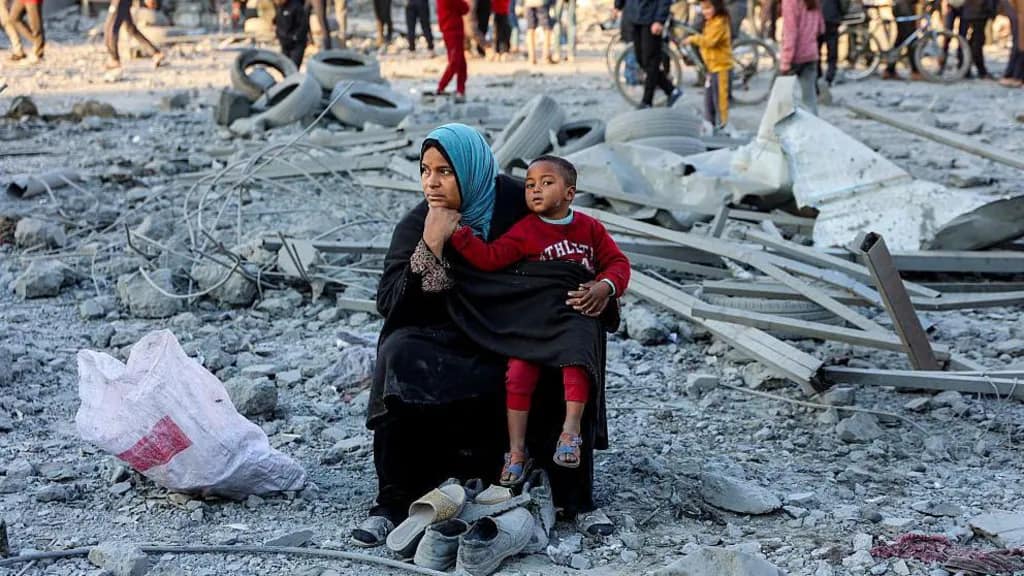
The reaction within Gaza has been fractured and emotionally charged. For some, exhausted by two years of devastating conflict, the developments have sparked a fragile optimism that a historic opportunity to end the bloodshed may finally be at hand.
Yet, this hope is heavily tempered by fear and decades of bitter experience. Many suspect a trap, worrying that Israel will secure the release of its hostages only to resume military operations with renewed intensity. “I advise patience,” cautioned Ibrahim Fares, echoing a widespread sentiment. “Don’t get carried away by optimism. There will be rounds of talks over the details. The devil is always in the detail.”
Others noted the unusual nature of Hamas’s communication. Mahmoud Daher pointed out on Facebook that the response was notable for its directness. “This time it was yes without the usual ‘but’ immediately after,” he wrote, suggesting a deliberate shift in tactics that even included “praise” for Trump, a clear play to the President’s ego.
However, long-time Hamas critics like Gaza-based activist Khalil Abu Shammala viewed the move through a lens of pure political survival. “They will call this wisdom – or putting the people first. But the truth is, it’s about Hamas staying in power,” he asserted, even casting doubt on whether the group’s own leadership authored the “too clever” statement.
For now, the people of Gaza are left in a state of suspended animation, clinging to a thread of hope while bracing for the possibility of disappointment. The words on paper have created an opening, but the path from a qualified “yes” to a lasting peace remains fraught with peril and uncertainty.
About The Author