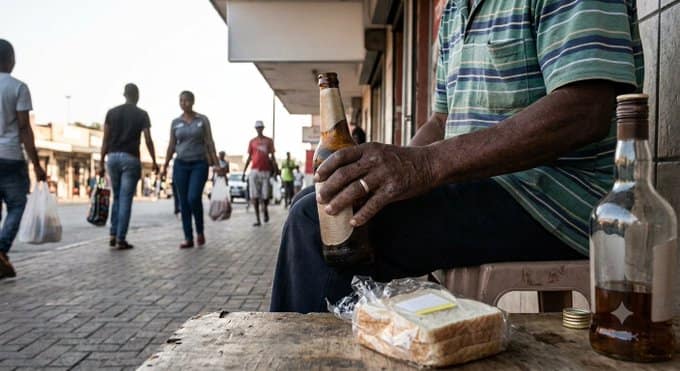
In a striking reflection of changing consumer priorities, South Africa’s off-trade liquor market surged to R109 billion in 2025, recording a robust 4.2% growth rate that comfortably outpaced the grocery sector, according to the newly released Trade Intelligence Liquor Retailing Report 2026/2027. The findings paint a picture of an industry in rapid transformation, driven by aggressive retail expansion, shifting shopping behaviours, and the enduring appeal of traditional tavern culture.
Corporate grocery chains are leading the charge, expanding their dedicated liquor store footprints at a pace that surpasses their supermarket rollouts. These outlets have now achieved an impressive 75% brand saturation, meaning three out of every four liquor store shelf spaces are occupied by established national labels. The strategy is clear: capture higher-margin alcohol sales while leveraging existing customer traffic to boost overall basket sizes.
Simultaneously, the rise of quick-commerce platforms like Checkers Sixty60 is fundamentally reshaping how South Africans purchase alcohol. The convenience of 60-minute delivery has fuelled a wave of impulse buying, with consumers increasingly ordering single bottles or six-packs on a whim rather than planning weekly bulk purchases. This trend has reduced in-store visits for alcohol, forcing traditional retailers to rethink their in-store merchandising and digital strategies.
Remarkably, the traditional tavern sector has not only survived but thrived, posting an 8% growth rate and now accounting for half of all on-trade sales. Industry analysts attribute this resilience to one simple factor: reliability. “Taverns keep drinks consistently cold, and they offer a social experience that home delivery cannot replicate,” noted one retail expert. The report suggests that while premiumisation and convenience are reshaping the market, the deeply embedded cultural role of the tavern ensures it remains a formidable force in South Africa’s vibrant and evolving liquor landscape.
About The Author