A quiet but devastating crisis is unfolding in the global fight against pediatric HIV. A new study has revealed a stark reversal in progress: approximately 77,000 fewer children worldwide received life-saving antiretroviral therapy (ART) supported by the United States in the fiscal year ending October 2025, compared to the previous year. This significant decline, documented in a report released this week, marks the first major drop in pediatric treatment coverage in over a decade and threatens to undo years of hard-won gains against the epidemic.
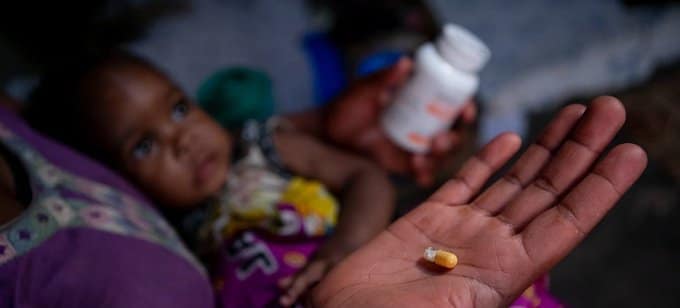
The shortfall is most acute in sub-Saharan Africa, which bears the heaviest burden of the global HIV crisis. In nations like Nigeria, Mozambique, and the Democratic Republic of Congo, clinics are reporting bare shelves and interrupted supply chains. For the children affected, the interruption is a matter of life and death. Without consistent ART, their immune systems weaken rapidly, leaving them vulnerable to opportunistic infections and a drastically reduced quality of life.
Health experts attribute the decline to a confluence of factors, including a tightening of US foreign aid budgets, logistical bottlenecks exacerbated by global inflation, and shifting political priorities. “This is not just a number; it is 77,000 futures put at risk,” said Dr. Amara Essy, a public health analyst based in Nairobi. “For every week that a child goes without treatment, the risk of drug resistance and mortality increases.” Aid organizations are now scrambling to fill the void, but warn that without a swift restoration of funding and supply chain stability, the global community will fail its pledge to end AIDS in children by 2030. The clock is ticking, and the most vulnerable are paying the price.
About The Author