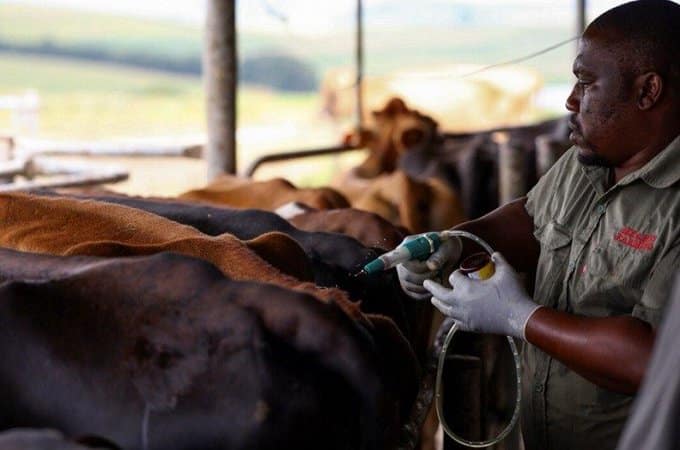
The Free State Department of Agriculture has issued an urgent and strongly worded appeal to livestock owners across the province, expressing grave concern over the continued failure of many farmers to report suspected cases of Foot-and-Mouth Disease (FMD), a highly contagious viral infection that poses a catastrophic threat to South Africa’s agricultural sector and food security.
In a statement released on Monday, the department warned that delays or outright refusals to notify authorities of potential outbreaks could allow the virus to spread rapidly and silently across provincial borders, devastating cattle herds, sheep flocks, and pig populations, and triggering costly trade bans that would cripple the livestock industry. FMD, which is characterized by fever and blister-like lesions on the mouths and hooves of affected animals, can reduce milk production, cause weight loss, and lead to severe economic losses even in mild outbreaks.
The department has emphasized that reporting suspected cases is not merely a recommendation but a legal obligation under South Africa’s animal health regulations. Livestock owners who fail to comply with this duty may face prosecution and substantial penalties. “We cannot afford to be complacent,” said a departmental spokesperson. “One unreported case can unravel years of disease control efforts and cost the industry billions of rands in lost exports and eradication measures.”
The appeal comes amid growing concern over FMD outbreaks in neighbouring provinces, with the Free State positioned as a high-risk corridor for the disease’s spread due to its extensive livestock farming networks and movement of animals across borders. The department has urged farmers to be vigilant, to isolate any animals showing symptoms, and to contact their nearest state veterinarian immediately.
In addition to the legal imperative, the department has offered to assist farmers with disease surveillance and containment measures, including rapid testing and quarantine protocols. The message is clear: early detection and swift reporting are the first and most critical lines of defense against an outbreak that could have devastating consequences for the province’s farmers, the national economy, and food supply chains. The department has promised to intensify its awareness campaigns and inspections in high-risk areas in the coming weeks.
About The Author