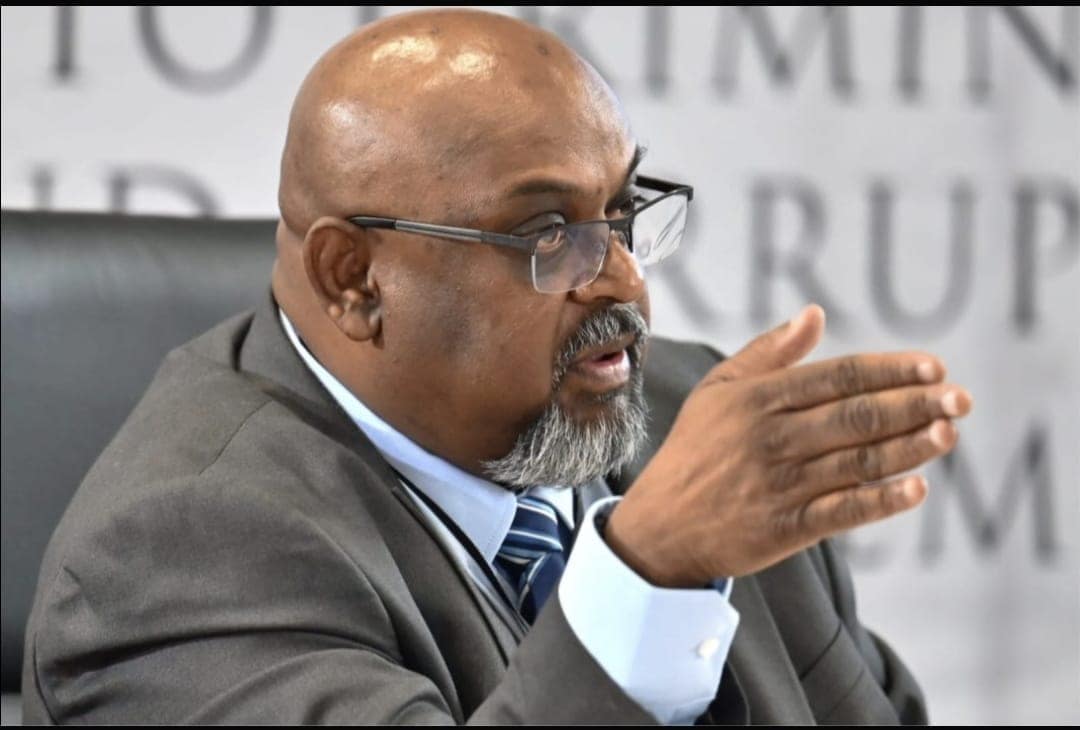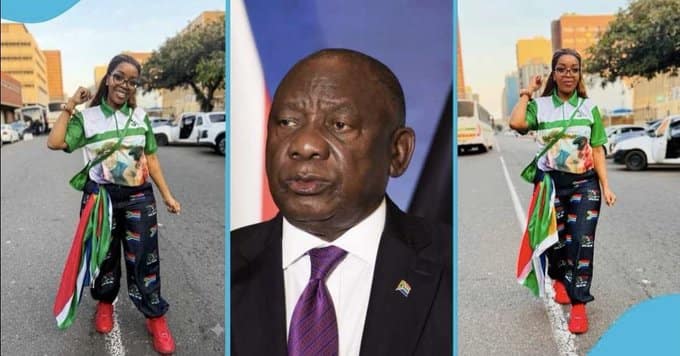
The High Court has handed down an interim ruling in favor of anti-illegal immigration activist Jacinta Ngobese-Zuma and two co-applicants, granting urgent relief in their legal challenge against President Cyril Ramaphosa and the organizing structures of the National Dialogue, in a case that has thrust questions of procedural fairness and inclusive representation into the national spotlight.
The court’s decision allows Ngobese-Zuma and her fellow nominees to continue participating in the National Dialogue proceedings while the formal appointment processes are finalized, effectively shielding them from being sidelined during the pendency of their substantive application. The interim relief, which was secured on an urgent basis, prevents the Dialogue’s steering committee from excluding the applicants on technical grounds, ensuring that their voices—and those of the constituencies they claim to represent—remain part of the national conversation.
The dispute arose after Ngobese-Zuma, a outspoken critic of illegal immigration whose activism has garnered both fervent support and fierce opposition, was nominated to participate in the National Dialogue but faced bureaucratic hurdles and alleged procedural irregularities that threatened to bar her from the process. The applicants argued before the court that the President and the Dialogue’s structures had acted unlawfully by imposing arbitrary conditions and failing to follow transparent appointment protocols, effectively disenfranchising their nominees and undermining the credibility of the Dialogue itself.
In granting the interim order, the court acknowledged that the applicants had established a prima facie case and that the balance of convenience favored allowing their continued participation pending the final determination of the matter. The ruling has been hailed by Ngobese-Zuma’s supporters as a victory for participatory democracy and a rebuke to what they characterize as elitist gatekeeping. However, critics have warned that the decision could open the floodgates to similar challenges, potentially complicating the Dialogue’s ambitious agenda.
The National Dialogue, a flagship initiative aimed at fostering social cohesion and addressing South Africa’s most pressing challenges, has been beset by controversies over inclusivity and representation since its inception. The case is set to return to court for full argument, where the substantive issues—including the legality of the appointment process and the scope of presidential authority—will be thrashed out in detail, with potentially far-reaching implications for the Dialogue’s legitimacy and future.
About The Author