Suspended police Sergeant Fannie Nkosi made another appearance before the Thohoyandou Magistrate’s Court today, as investigators continue to unravel what they describe as a sprawling web of alleged corruption, abuse of power, and evidence tampering that has cast a dark shadow over the credibility of the South African Police Service’s elite organised crime unit.
Nkosi, a member of the Gauteng Organised Crime Unit, has found himself at the epicentre of an intensive national crackdown on police corruption, with prosecutors alleging that he exploited his position to unlawfully remove a sensitive police docket and confiscate a substantial quantity of dagga from the Thohoyandou police station. The allegations, which have sent shockwaves through law enforcement circles, paint a picture of a rogue officer who allegedly operated with impunity, using false claims of authority to bypass protocols and undermine the very system he was sworn to uphold.
According to court documents, the incident that led to Nkosi’s arrest occurred earlier this year when he arrived at the Thohoyandou police station under the guise of an official investigation. Prosecutors allege that Nkosi falsely represented himself as being on a legitimate law enforcement mission, demanding access to a high-profile docket and seizing cannabis exhibits that had been lawfully secured as evidence in an ongoing case. The removal of the docket, which is believed to contain critical information related to organised crime networks in the region, has severely hampered investigations and raised fears that sensitive intelligence may have been compromised.
The State has further alleged that Nkosi acted without any legal authority or oversight, fabricating documentation to justify his actions and intimidating junior officers who attempted to question his directives. “This was not a mistake or a procedural oversight—this was a calculated abuse of power by a senior officer who believed he was above the law,” a senior investigator close to the case told reporters outside the court. “The damage caused by the removal of that docket cannot be overstated. We are talking about a case that involved multiple suspects and significant drug trafficking operations.”
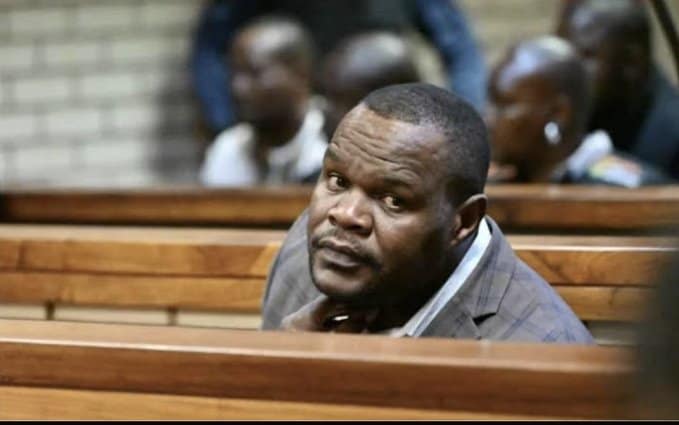
Nkosi, who appeared in court wearing a formal suit and maintaining a composed demeanour, faces multiple charges, including corruption, tampering with evidence, defeating the ends of justice, and impersonating a law enforcement officer. His legal team has maintained his innocence, arguing that the allegations are part of a broader smear campaign against him and that he acted within the scope of his duties. “My client is a decorated officer with years of service who has never been found guilty of any misconduct,” his attorney stated. “We will vigorously contest these charges and demonstrate that Sergeant Nkosi was simply carrying out his responsibilities.”
The case has drawn significant attention from civil society organisations and anti-corruption watchdogs, who see it as a litmus test for the SAPS’s commitment to cleaning house from within. Police management has publicly distanced itself from Nkosi’s alleged conduct, with national commissioner General Fannie Masemola reiterating that there is no place for corrupt elements within the service. “We are cooperating fully with the investigating authorities and will ensure that justice takes its course,” Masemola said in a statement.
As the case continues to unfold, the court has adjourned for further investigation and pre-trial proceedings. Nkosi remains suspended without pay, and the prospect of additional charges looms large as investigators delve deeper into his activities and potential connections to organised crime syndicates. For now, the embattled sergeant faces an uncertain future, with his reputation in tatters and a legal battle that threatens to expose the dark underbelly of police corruption in South Africa.
About The Author