Construction has officially commenced on Aliko Dangote’s massive $16 billion (R261.3 billion) oil refinery in Lamu, Kenya, marking the beginning of one of the most ambitious industrial projects ever undertaken on the African continent. When completed in 2030, the refinery will process 700,000 barrels of oil per day, making it larger than any refinery currently operating in Europe.
The project is expected to create approximately 60,000 jobs, providing a significant boost to Kenya’s economy and the broader East African region. The refinery will position Kenya as a major player in the global oil refining industry and reduce the region’s reliance on imported refined petroleum products, which have historically been a drain on foreign exchange reserves.
Dangote, Africa’s richest man and the driving force behind the project, has offered regional governments a 30% stake in the venture, signalling his willingness to share the benefits of the investment with the countries that will host and support the refinery. The offer is seen as a strategic move to secure political buy-in and ensure that the project’s benefits are widely distributed.
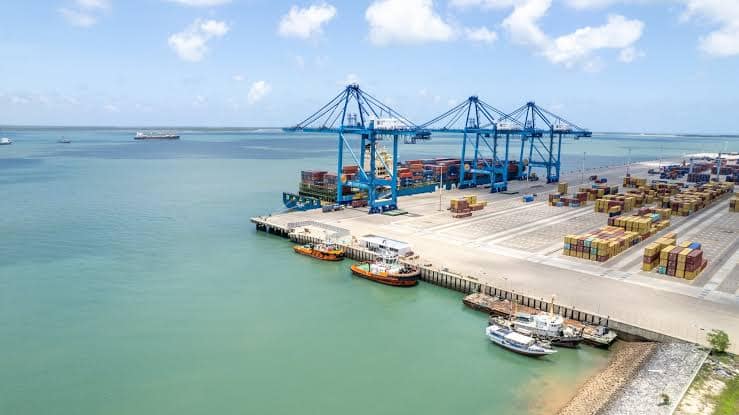
The refinery will be located in Lamu, a coastal town with a deep-water port that is being developed as part of the broader Lamu Port-South Sudan-Ethiopia Transport (LAPSSET) corridor project. The port will facilitate the import of crude oil and the export of refined products, positioning Lamu as a key hub in Africa’s energy trade.
Kenyan President William Ruto hailed the project as a “game-changer” for the region, noting that it would create jobs, attract investment, and enhance energy security. “This is not just a refinery, it is a statement that Africa is ready to industrialise and add value to its own resources,” Ruto said.
The project has not been without controversy. Environmental groups have raised concerns about the potential impact on Lamu’s fragile marine ecosystem and the displacement of local communities. Dangote’s team has pledged to adhere to international environmental standards and to engage with stakeholders throughout the construction process.
For Kenya and the wider region, the refinery represents a bold bet on the future of African industrialisation. If successful, it could transform the East African energy landscape, reduce dependence on imported fuel, and create thousands of jobs for decades to come. For Dangote, it is the latest chapter in his quest to build an industrial empire that rivals the best in the world. For Africa, it is a reminder that the continent’s resources can be harnessed for its own development, if the vision and the will are there.
About The Author