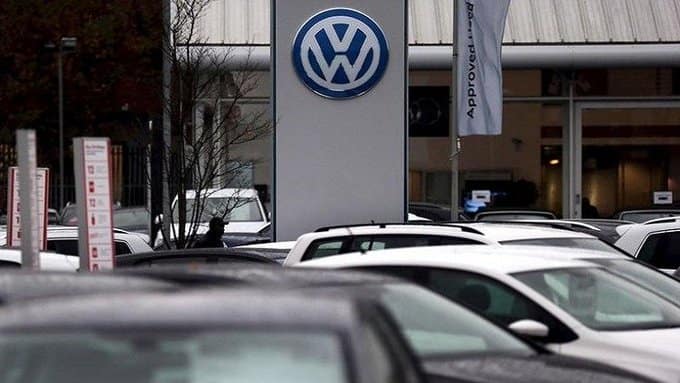
Volkswagen is staring down one of the most harrowing chapters in its storied history, as Chief Executive Oliver Blume has warned staff that the automaker could eliminate as many as 50,000 additional jobs in a sweeping bid to slash costs and restore competitiveness against leaner, more agile rivals. The staggering figure, revealed in an internal memo seen by Reuters on Monday, far exceeds the restructuring measures previously announced and signals that Europe’s largest carmaker is bracing for an existential reckoning in the face of a rapidly transforming global automotive landscape.
Blume’s memo, addressed to employees at the company’s sprawling Wolfsburg headquarters, painted a sobering picture of a company struggling to keep pace with competitors who operate at significantly lower cost bases. “We cannot continue as we have been,” Blume wrote, according to sources familiar with the document. “The world has changed, and Volkswagen must change with it—decisively and urgently.” The CEO did not specify a timeline for the proposed cuts, but industry analysts interpret the move as a precursor to intense negotiations with powerful labor unions that have historically fought fiercely against large-scale layoffs at the German giant.
The potential job losses would represent nearly 10 percent of Volkswagen’s global workforce and come on the heels of an already announced €10 billion efficiency program aimed at modernizing production, reducing material costs, and streamlining operations. However, Blume’s latest warning suggests that those measures have proven insufficient to close the gap with rivals such as Tesla and Chinese manufacturers like BYD, which benefit from lower labor costs, aggressive government subsidies, and a vertically integrated supply chain that gives them a decisive edge in the electric vehicle market.
For the hundreds of thousands of workers employed across Volkswagen’s global operations—particularly in Germany, where the company is a cornerstone of the national economy—the memo has landed like a thunderbolt. Labor representatives have already signaled their intent to resist any drastic cuts, with IG Metall, the country’s largest industrial union, vowing to protect jobs and push for alternative solutions. “We will not accept a scenario where the burden of restructuring falls solely on the shoulders of workers,” a union spokesperson said. “Management must present a viable strategy that secures the future without sacrificing the livelihoods of tens of thousands of families.”
The pressure on Volkswagen is compounded by broader headwinds facing the European automotive industry: sluggish demand for electric vehicles, intense price competition from Chinese imports, and the high cost of transitioning to a carbon-neutral production model. Blume’s stark warning underscores a painful reality that has become increasingly difficult for legacy automakers to ignore—the era of comfortable profit margins and stable market share is over, replaced by a cutthroat environment where only the most efficient will survive.
As Volkswagen’s leadership prepares to enter tough negotiations with employee representatives, the specter of mass layoffs looms large not only over Wolfsburg but over the entire German industrial sector, which views the automaker as a bellwether for its own future. For now, Blume has offered no guarantees, only a grim calculus: the company must either adapt radically or face a slow erosion of its relevance. Whether the 50,000 figure is a negotiating tactic or a genuine forecast of what lies ahead remains to be seen, but one thing is certain—Volkswagen is at a crossroads, and the road ahead is fraught with difficult decisions that will reshape the company for decades to come.
About The Author