The halls of the Johannesburg High Court are thick with anticipation today as Judge Ratha Mokgoatlheng prepares to deliver a judgment that will resonate far beyond the courtroom walls. Nearly three years after one of the city’s most tragic disasters, the fate of Sithembiso Mdlalose hangs in the balance. The accused, a 31-year-old man who has maintained his innocence throughout the grueling trial, stands charged with a staggering 76 counts of murder, one count of arson, and 12 counts of attempted murder—a litany of charges that stem from a single, catastrophic night that forever altered the landscape of inner-city Johannesburg.
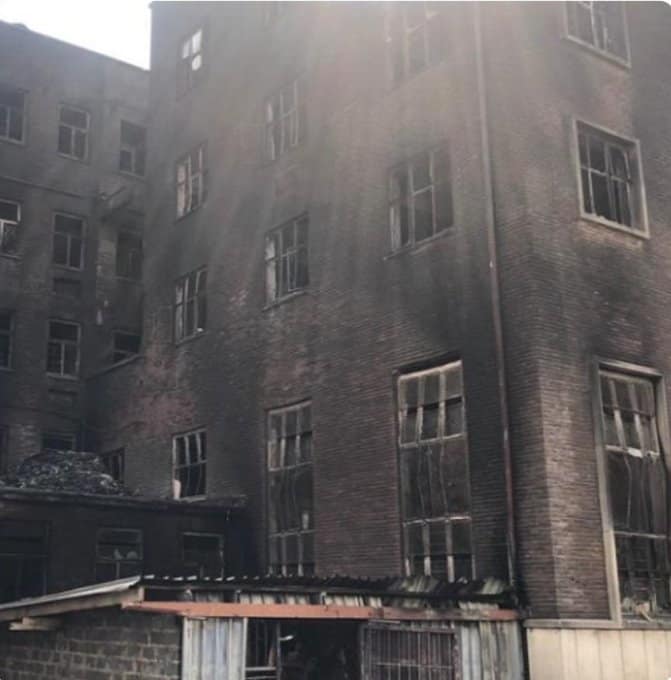
It was on 31 August 2023 that the Usindiso Building, a dilapidated five-story structure in the heart of Marshalltown that had been illegally occupied by scores of vulnerable families, became an inferno. The fire raged with ferocious speed through the building’s makeshift dwellings, trapping residents in a maze of narrow corridors and flammable materials. Rescue efforts were hampered by the building’s neglect and overcrowding, and by the time the flames were extinguished, 76 lives had been lost, including many children. The tragedy exposed the grim reality of building hijackings and the exploitation of the urban poor, sparking national outrage and a renewed call for housing reform. Mdlalose, who was arrested shortly after the fire, has been at the center of a case that the state argued was one of deliberate malice, claiming he started the blaze following a dispute with a fellow occupant over a missing cellphone.
As the clock ticks toward the judgment, the families of the victims, many of whom have packed the public gallery, are bracing for closure or further anguish. The defense has argued that the evidence is circumstantial, pointing to possible electrical faults as the cause, while the prosecution has painted a picture of a man who acted with reckless disregard for human life. Judge Mokgoatlheng’s ruling will not only determine Mdlalose’s future but will also serve as a landmark moment in South Africa’s legal history, a somber reminder of the fragility of life in the shadows of the city, and a potential catalyst for long-overdue accountability regarding the safety of hijacked buildings across the nation.
About The Author