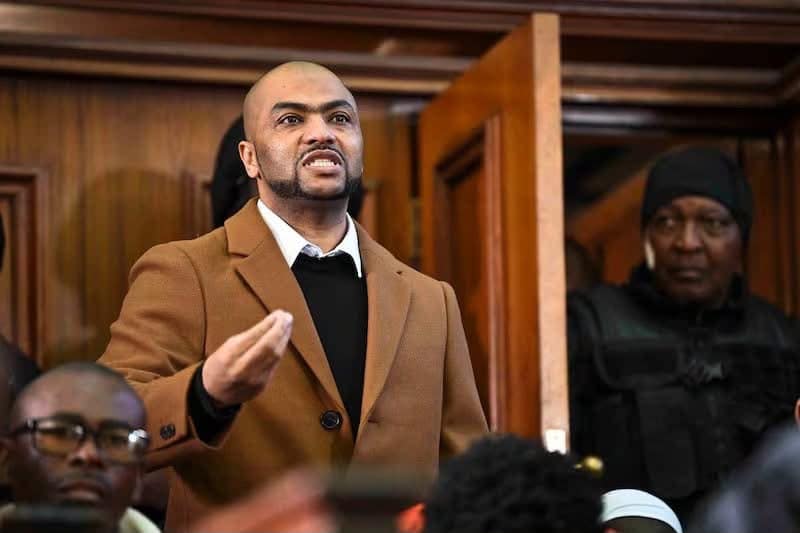
Tshepiso Clifford Seetseng spent 431 days in custody on charges that were ultimately withdrawn, yet the courts have held that the Minister of Police is liable for only the first two of those days, awarding him a mere R60,000 in compensation. The case has laid bare the devastating human cost of wrongful arrest and the inadequacy of remedies available to those who suffer at the hands of a flawed justice system.
Seetseng was arrested without a warrant on 7 December 2013 and faced charges of rape, robbery, and housebreaking. He languished in custody for more than a year, his life on hold, his reputation in tatters, and his freedom stripped away—all while awaiting a trial that would never come. On 12 February 2015, he was finally released after a DNA report excluded him as the donor of the sample in the rape case. The charges were subsequently withdrawn.
Yet the legal system’s response to this gross injustice has been deeply disappointing. The courts found that the Minister of Police was liable only for the first two days of Seetseng’s detention, on the technical basis that the arrest itself was unlawful but that the subsequent detention was authorised by a court. The remaining 429 days, during which Seetseng remained in custody due to systemic delays, prosecutorial inertia, and a lack of urgency in processing forensic evidence, were deemed not to be the police’s responsibility.
The R60,000 award is a pittance for the loss of 431 days of freedom, the psychological trauma of incarceration, and the social and economic consequences that continue to haunt Seetseng. It raises profound questions about the value the justice system places on individual liberty and the accountability of state institutions when they fail.
“It is not about the money,” Seetseng said. “It is about the principle. I lost more than a year of my life. My family suffered. My name was dragged through the mud. And for that, the state says I deserve R60,000?”
Legal experts have criticised the outcome, noting that the burden of systemic inefficiency should not fall on the individual who has already been wronged. Advocacy groups have called for legislative reform to ensure that victims of wrongful arrest and prolonged detention receive adequate compensation and that state institutions are held accountable for systemic failures.
Seetseng’s case is not an isolated incident. Across South Africa, thousands of people languish in custody awaiting trial, their lives disrupted, their futures uncertain. For many, the presumption of innocence is a hollow promise, and the consequences of wrongful detention are devastating. For Seetseng, the long fight for justice continues, though the R60,000 award suggests that justice, when it comes, may be worth far less than the freedom it took away.
About The Author