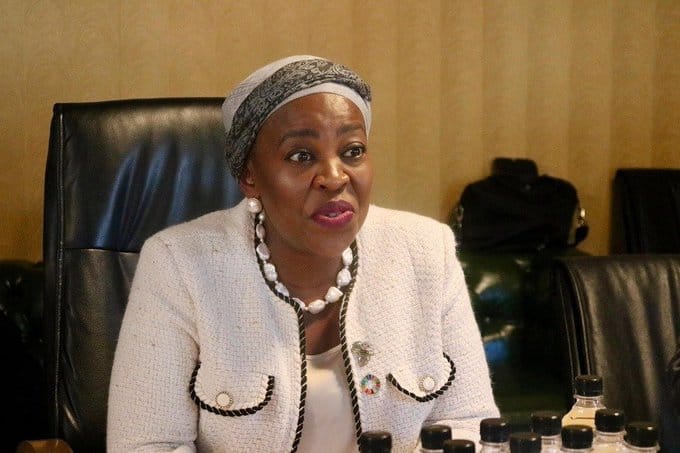
In a landmark move aimed at tackling South Africa’s most entrenched socio-economic challenges, the Government of South Africa and the United Nations have officially formalized a major five-year partnership designed to accelerate inclusive economic growth, eradicate deep-seated poverty, and aggressively combat the glaring inequality that continues to divide the nation.
The strategic agreement, which was signed at a ceremony in Pretoria attended by senior government officials, UN representatives, and diplomatic corps members, establishes a comprehensive development blueprint that will map all collaborative initiatives from 2026 through to 2030. The partnership aligns closely with South Africa’s National Development Plan and the UN’s Sustainable Development Goals, creating a unified framework for joint action across multiple sectors.
Under the agreement, the UN will provide technical expertise, policy advisory support, and access to global best practices, while the South African government will lead implementation through its various departments and agencies. Key focus areas include job creation through small business development, strengthening social protection systems, improving access to quality education and healthcare, and advancing climate resilience in vulnerable communities. Special attention will also be given to addressing the chronic unemployment crisis, particularly among youth and women, who remain disproportionately affected by economic exclusion.
Speaking at the signing ceremony, Minister of Planning, Monitoring and Evaluation, who represented the government, described the partnership as “a crucial pillar in our efforts to build a more just and prosperous society,” while UN Resident Coordinator for South Africa emphasized the organization’s commitment to supporting the country’s “ambitious but achievable” development goals. The partnership will be governed through a joint steering committee that will meet regularly to monitor progress, review outcomes, and adjust strategies as needed.
The agreement comes at a critical juncture for South Africa, which continues to grapple with stubbornly high unemployment rates, energy insecurity, and the lingering effects of the COVID-19 pandemic on poverty levels. Civil society organizations have welcomed the partnership, though some have cautioned that success will depend on effective implementation, transparency, and genuine community engagement. As the 2026–2030 development roadmap takes shape, all eyes will be on whether this high-level commitment translates into tangible improvements in the lives of ordinary South Africans.
About The Author