In one of the largest energy transactions ever seen on the African continent, Abu Dhabi National Oil Company (Adnoc) has inked a historic agreement to acquire Shell’s downstream fuel operations in South Africa for a staggering R16 billion. The deal, which was confirmed by both parties on Tuesday, marks a seismic shift in the local fuel retail landscape and underscores the growing appetite of Middle Eastern energy giants for strategic assets in emerging markets.
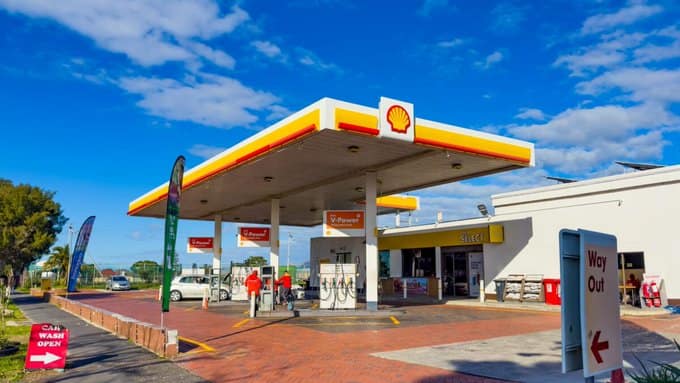
The acquisition encompasses a vast and highly lucrative portfolio that includes approximately 580 service stations scattered across South Africa’s major highways, cities, and towns. Beyond the retail network, Adnoc will also take control of Shell’s commercial fuels division, its aviation refueling operations at key airports, and its marine fuel supply business, which services the busy shipping lanes around the country’s ports. However, the deal explicitly excludes Shell’s upstream exploration and production assets, meaning the global energy major will retain its interests in offshore and onshore oil and gas exploration activities within South African territory.
Significantly, Shell will not be disappearing from South African forecourts entirely. As part of the negotiated terms, the company will continue to license its iconic brand name and yellow-and-red scallop logo to the newly acquired operations for a transitional period, ensuring that loyal customers will still find familiar branding at their local filling stations. The transaction also includes a binding commitment to broad-based black economic empowerment (B-BBEE), with approximately 28% of the business slated to be sold to empowerment partners in a secondary phase of the deal, aligning with South Africa’s transformation imperatives.
For Adnoc, the acquisition represents a bold strategic leap in its international expansion drive. The state-owned energy giant has been aggressively diversifying its downstream portfolio beyond the Middle East, and this deal is expected to boost its global fuel sales by roughly 20%, providing a significant foothold in Africa’s most industrialized economy. Regulatory approvals are still pending, but industry analysts predict the deal will face little resistance given the employment and investment commitments attached. The transaction is expected to be finalized by the end of the year, heralding a new era for South Africa’s fuel industry.
About The Author