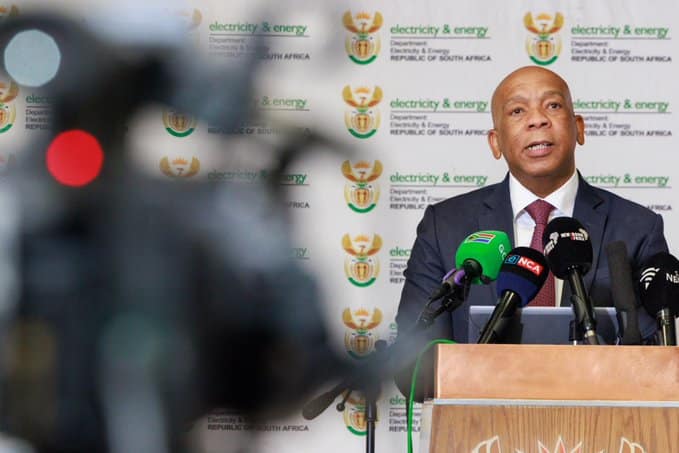
In a move that could reshape the financial landscape of South Africa’s energy sector, Electricity and Energy Minister Dr Kgosientsho Ramokgopa has unveiled the country’s long-anticipated Revised Electricity Pricing Policy, placing affordability front and centre of the government’s energy agenda. The policy, which has been in development for months amid intense pressure from households, businesses, and industry stakeholders, seeks to strike a delicate balance between ensuring the financial sustainability of Eskom and protecting consumers from unsustainable tariff hikes.
Speaking at a media briefing in Pretoria, Ramokgopa acknowledged that the current electricity pricing framework has become untenable, with above-inflation increases disproportionately affecting lower-income households and small businesses. “We cannot continue to pass the full cost of inefficiency onto the consumer,” he said. “This revised policy is about fairness, transparency, and ensuring that electricity remains accessible to all South Africans while we work to fix the underlying structural issues.”
The new policy introduces several key reforms, including a revised tariff structure that better reflects the actual cost of supply across different customer classes, incentives for energy efficiency and self-generation, and a more predictable trajectory for future increases. Importantly, the policy also proposes a subsidised lifeline tariff for indigent households, aimed at protecting the most vulnerable from the full brunt of cost-reflective pricing.
Industry reaction has been cautiously optimistic, though some business groups have warned that any increases—however justified—could further strain an already fragile economy. The Congress of South African Trade Unions has welcomed the affordability focus but has called for greater clarity on how the subsidies will be funded.
As the policy moves toward implementation, Ramokgopa has pledged a period of public consultation before final regulations are gazetted. For millions of South Africans who have endured years of rising electricity costs, the promise of a fairer system offers a glimmer of hope—but delivering on that promise will require more than policy papers; it will require political will, institutional reform, and a sustained commitment to putting people before profit.
About The Author