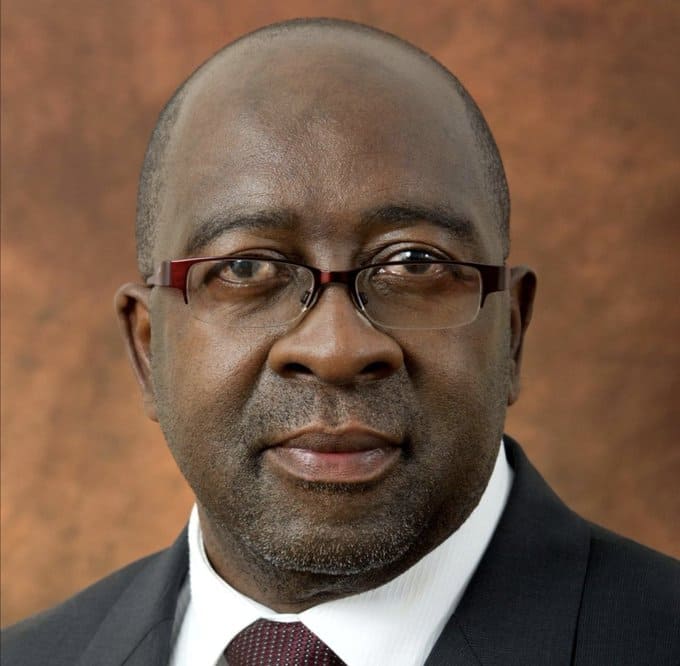
President Cyril Ramaphosa has appointed former Finance Minister Nhlanhla Musa Nene as the new Chairperson of the Financial and Fiscal Commission (FFC), a statutory body that plays a pivotal role in advising government on fiscal policy, intergovernmental financial relations, and the equitable distribution of national revenue. The appointment, announced on Tuesday, also saw Malijeng Ngqaleni named Deputy Chairperson, signaling a strategic strengthening of the commission’s leadership amid significant economic strain.
Nene, a seasoned economist and veteran of the African National Congress’s economic policy wing, brings decades of experience to the role, having previously served as Minister of Finance from 2014 to 2015 and again briefly in 2018. He was also a former director-general of the National Treasury, giving him an intimate understanding of the fiscal machinery of the state. His return to a senior advisory position is being viewed as a move to inject institutional memory and technical rigor into the FFC’s deliberations, particularly as the country grapples with mounting debt, sluggish growth, and contentious debates over tax policy and expenditure priorities.
Ngqaleni, who steps into the deputy role, is a respected economist with a background in development finance and public sector governance. Together, the duo is expected to steer the commission through a demanding period, with the FFC set to produce critical recommendations on the forthcoming Medium-Term Budget Policy Statement and the equitable shares of provinces and municipalities.
The appointments have been welcomed by business and civil society groups, who have expressed hope that Nene’s tenure will foster more evidence-based and transparent fiscal decision-making. However, some political commentators have noted the irony of a former Finance Minister—who was controversially removed from office in 2015—now returning to a position of fiscal influence. For Ramaphosa, the choice signals a preference for stability and competence over political expediency. For the country, Nene’s second act may prove just as consequential as his first.
About The Author