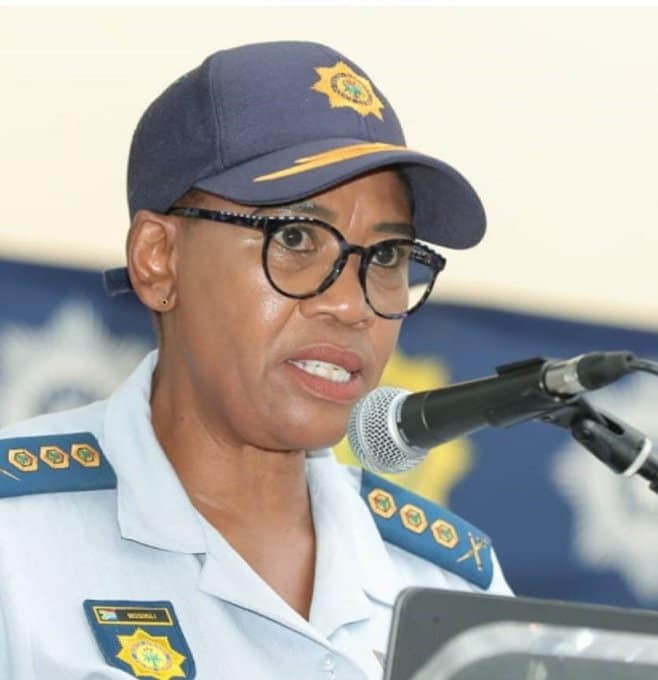
Deputy National Police Commissioner Lieutenant-General Tebello Mosikili has announced that approximately 352 people have been arrested for gender-based violence (GBV) across South Africa in the past seven days, underscoring the scale of the crisis and the police service’s intensified efforts to address it.
Mosikili made the announcement outside the Boksburg Magistrates’ Court, where two accused in the killing of Jabulile Ntimba made their first appearance. Ntimba’s body was found in Villa Lisa near Dawn Park, a case that has shocked the local community. Mosikili clarified that the Ntimba case is separate from the weekly national tally, and that the 352 figure represents a nationwide count of GBV-related arrests—not a claim that a single squad had solved every incident in the East Rand.
“The numbers tell us what we already know: gender-based violence remains a scourge in our society,” Mosikili said. “But they also tell us that the police are acting. We are making arrests, we are pursuing justice, and we are sending a clear message that this violence will not be tolerated.”
The arrests span a range of offences, including assault, rape, domestic violence, and femicide. Mosikili credited the work of specialised units, including the Family Violence, Child Protection and Sexual Offences (FCS) units, as well as community tip-offs and increased police visibility in hotspots. She also called on communities to continue reporting incidents, emphasising that police cannot act without information and cooperation.
The announcement comes amid heightened public scrutiny of the police’s response to GBV, following a series of high-profile cases that have exposed systemic failures in the criminal justice system. Advocacy groups have welcomed the arrests but caution that conviction rates remain low and that survivors often face secondary trauma when seeking help.
For Mosikili and the SAPS leadership, the weekly tally is both a metric of enforcement and a reminder of the work still to be done. As the Ntimba case proceeds through the courts and families across the country seek justice, the pressure on the police to deliver both arrests and convictions—and to prevent the violence before it happens—remains immense. The 352 arrests are a start. But for the victims and their families, statistics will never be enough.
About The Author