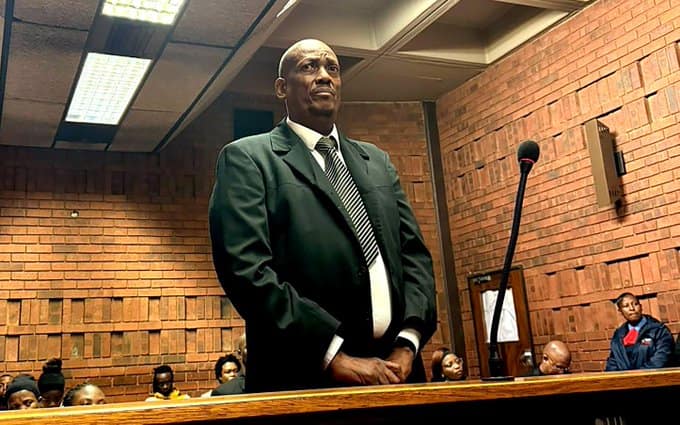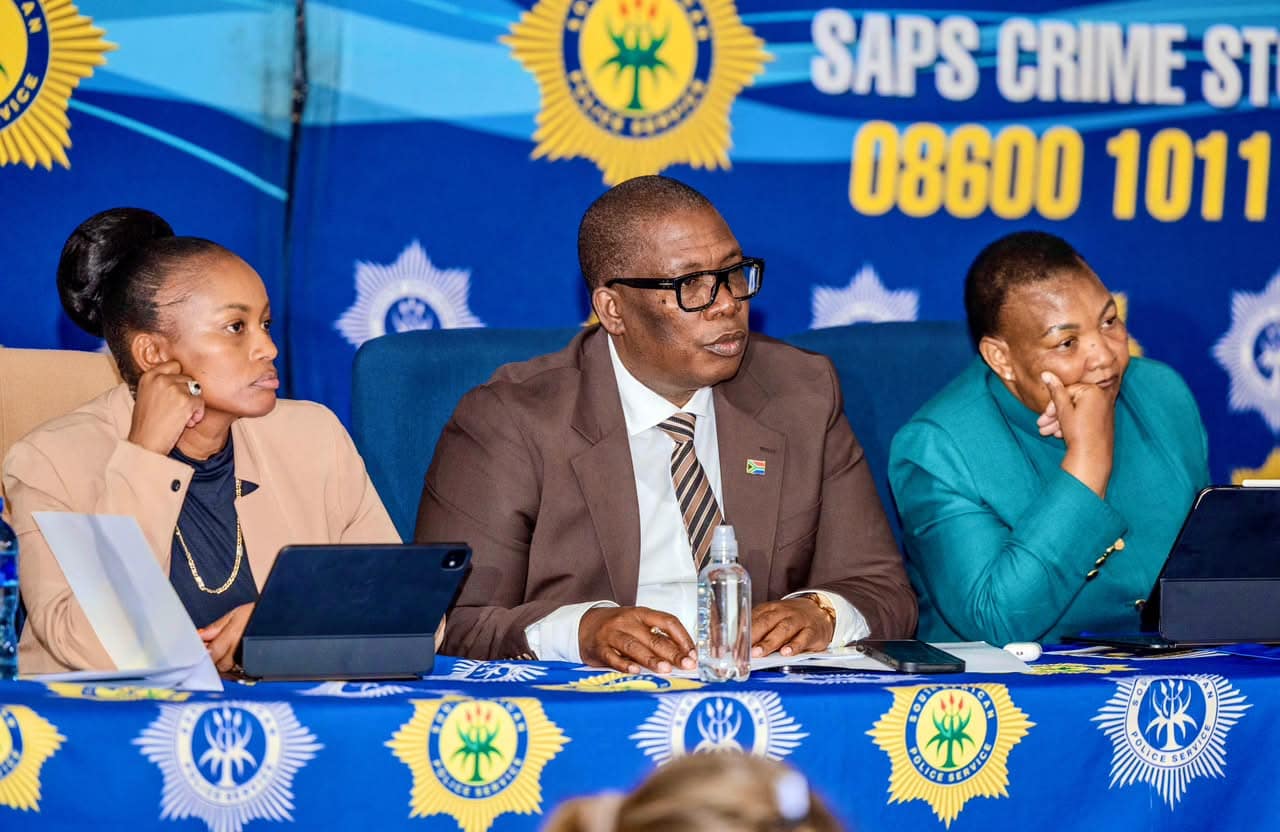
The air in the Ivory Park community hall was thick with anguish and unyielding resolve as hundreds of residents packed into the sweltering space on Tuesday, their voices rising in a unified cry for survival. The high-level engagement, convened to tackle the twin scourges of gender-based violence and femicide, quickly veered from a formal dialogue into a raw, emotional reckoning with a system that many feel has abandoned them. Mothers, their eyes glistening with unshed tears, clutched faded photographs of daughters whose lives were brutally cut short, while fathers spoke hoarsely of the daily terror of walking their children through crime-infested alleys where muggings and sexual assaults have become disturbingly routine.
Community stalwart Thandi Mokoena gripped the podium, her voice a blade of controlled fury as she rattled off a grim litany of 23 women murdered in the precinct over the past 18 months alone. “We are drowning in statistics while our killers walk free,” she thundered, demanding an immediate surge in visible policing—including high-visibility foot patrols, rapid-response motorbike units, and permanent satellite stations in hotspots like Tswelopele and Extension 2. The crowd erupted in fervent agreement, their chants of “Action now!” drowning out the police officials seated uncomfortably at the front.
Heartbreaking testimonies followed: a young woman recounted being raped while waiting for a taxi, only to have police arrive nearly an hour later; an elderly grandfather broke down describing his granddaughter’s assault just meters from a stationary police van. Ward councillor Daniel Nkosi pledged to escalate their demands, but the community remained defiant, demanding binding timelines. As dusk fell, dozens of women formed a candlelit human chain outside, their placards reading “Our Blood is on Your Hands” and “Visible Policing Saves Lives.” In the fading light, Ivory Park stood united—transforming grief into a thunderous demand for justice that echoed far beyond its boundaries.
About The Author