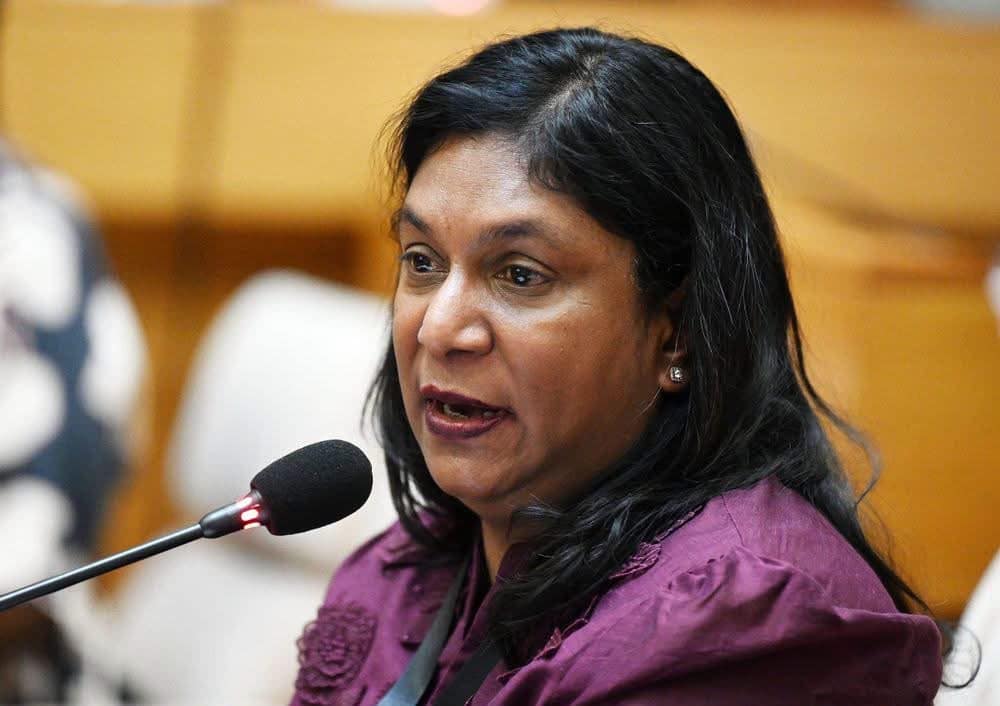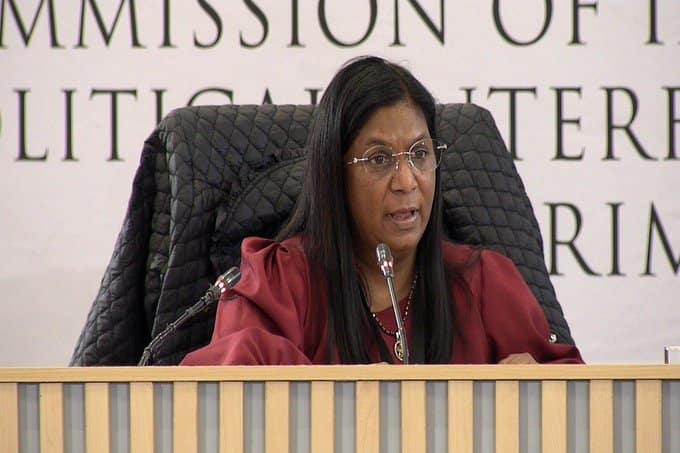
In a revelation that has cast fresh doubt on the effectiveness of South Africa’s anti-corruption machinery, former Investigating Directorate Against Corruption (IDAC) head Advocate Andrea Johnson has unequivocally told the Madlanga Commission that her former unit lacked the legal mandate to investigate the alleged Tembisa Hospital looting kingpin, Hangwani Maumela. The testimony, delivered under oath during a tense session of the commission, directly addressed long-standing public frustration over why high-profile suspects linked to the hospital’s notorious personal protective equipment (PPE) procurement scandal appeared to evade decisive prosecution.
Johnson, who resigned from IDAC amid widespread political and administrative turbulence, made the startling admission while fielding pointed questions about the unit’s controversial case selection and its apparent reluctance to pursue influential figures. She explained that IDAC’s founding proclamation strictly limits its investigative scope to matters referred by the National Prosecuting Authority or those arising from specific intelligence briefings—neither of which, she insisted, covered the sprawling Tembisa Hospital fraud network despite overwhelming evidence of systemic looting. “We could not simply choose cases based on public sentiment or media pressure,” Johnson testified, her tone measured but firm. “The law dictates our boundaries, and in this instance, the Maumela matter fell squarely outside those legal parameters.”
The commission, chaired by Acting Judge President Tshifhiwa Maumela (no relation to the suspect), pressed Johnson on whether IDAC had ever formally requested an expanded mandate to pursue the case. She confirmed that internal discussions had taken place but acknowledged that no formal application was ever submitted, citing bureaucratic inertia and a lack of political will from higher authorities. The revelation has reignited calls for a comprehensive overhaul of South Africa’s investigative frameworks, with legal experts warning that such jurisdictional gaps allow sophisticated corruption networks to operate with impunity. As the commission continues its hearings, all eyes remain fixed on whether Johnson’s testimony will finally compel Parliament to clarify the mandates of anti-corruption units—or whether the Tembisa Hospital looters will once again slip through the cracks.
About The Author