Sasol, the integrated energy and chemicals giant, has reported a robust financial recovery for the year ended June 2026, driven by higher fuel production volumes, firmer oil prices, and improved refining margins. The company’s turnover rose 9% to R272.1 billion, while adjusted EBITDA (earnings before interest, taxes, depreciation, and amortisation) climbed 17% to R60.7 billion and headline earnings per share increased 9% to R38.31.
The strong operational performance reflects Sasol’s successful efforts to optimise its production assets and capitalise on favourable global energy market conditions. The company’s refining operations, in particular, benefited from better margins as global supply constraints kept prices elevated. However, despite the improved earnings, Sasol’s board announced that it will not declare a final dividend, as the company’s net debt remains above its self-imposed payout threshold.
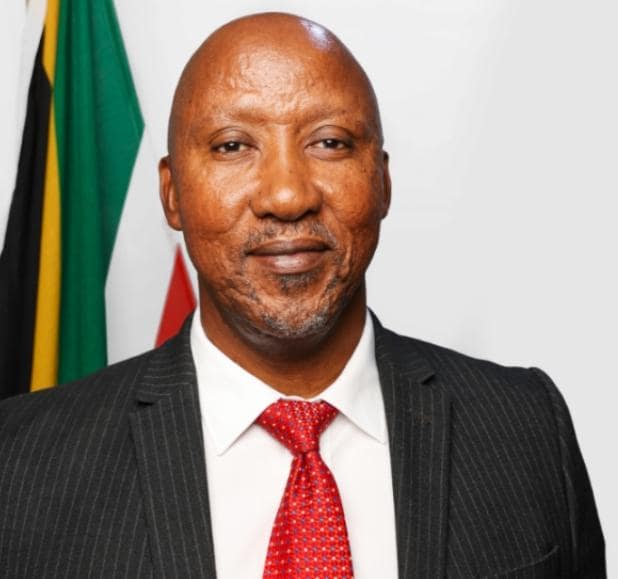
Sasol has been on a sustained deleveraging journey since the depths of the COVID-19 pandemic, and while it has made significant progress in reducing its debt burden, the company remains committed to prioritising balance sheet strength over shareholder returns. In a statement, Sasol CEO Fleetwood Grobler acknowledged the frustration that shareholders may feel but emphasised that financial discipline is essential for long-term sustainability. “We are delivering on our operational targets, and we are seeing the benefits in our numbers. But we remain focused on reducing debt and strengthening our balance sheet to ensure we are resilient for the future,” Grobler said.
The company has also reiterated its commitment to expanding its renewable energy capacity as part of its broader energy transition strategy, with several solar and wind projects in the pipeline. As Sasol continues to navigate the volatile global energy landscape, investors will be watching closely to see when the company will clear the debt threshold and restore dividend payments. For now, the focus remains firmly on reducing leverage and building a more sustainable future.
About The Author